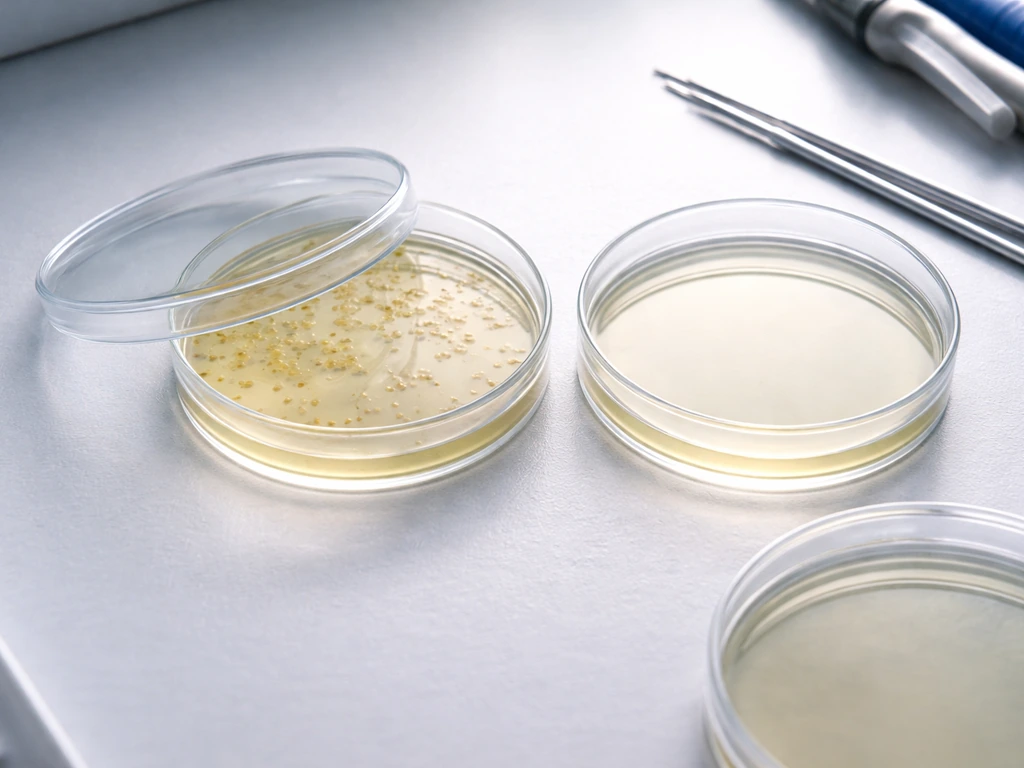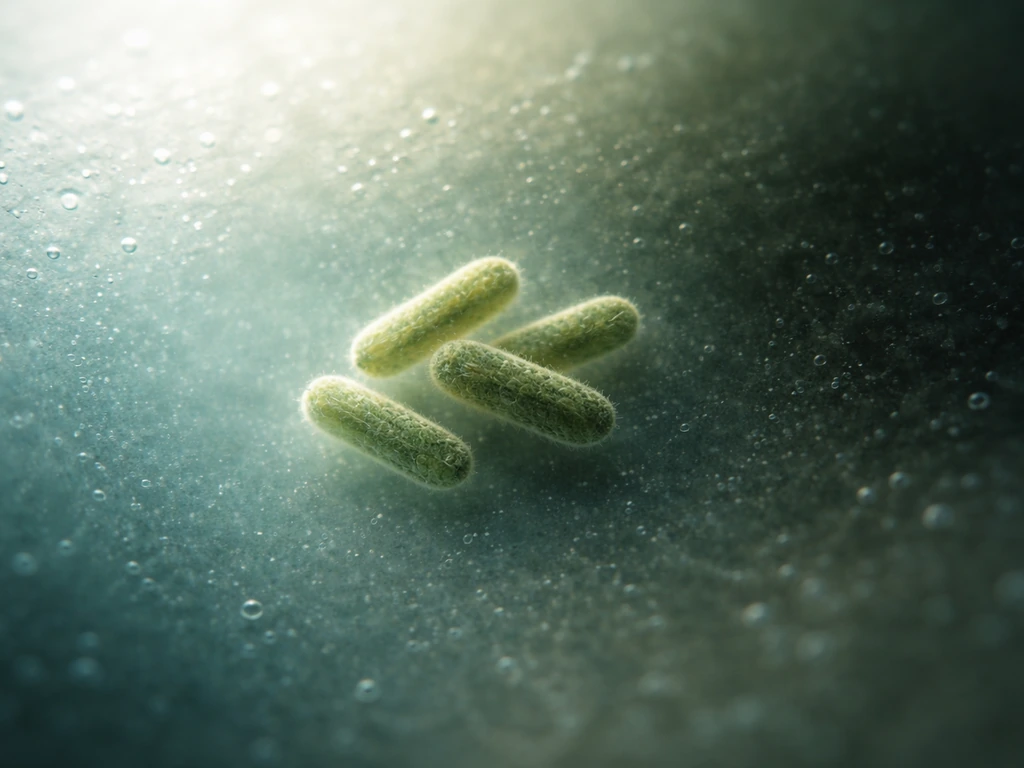
The single-celled organisms most commonly responsible for visible irregular masses or clumps are bacteria and yeast (a single-celled fungus). When you see a slimy smear on a drain, a cloudy film on standing water, or a gunky buildup on a shower curtain, you are almost certainly looking at a biofilm: a community of microbes embedded in a sticky, self-produced matrix called extracellular polymeric substances (EPS). The irregular, lumpy, or spreading shape is not accidental. It reflects how these organisms grow, stick to surfaces, and pile up over time under the right conditions of moisture, nutrients, temperature, and pH.
What Are Single-Celled Organisms That Form Irregular Masses?

Marcus Holloway
12 Jun 2026
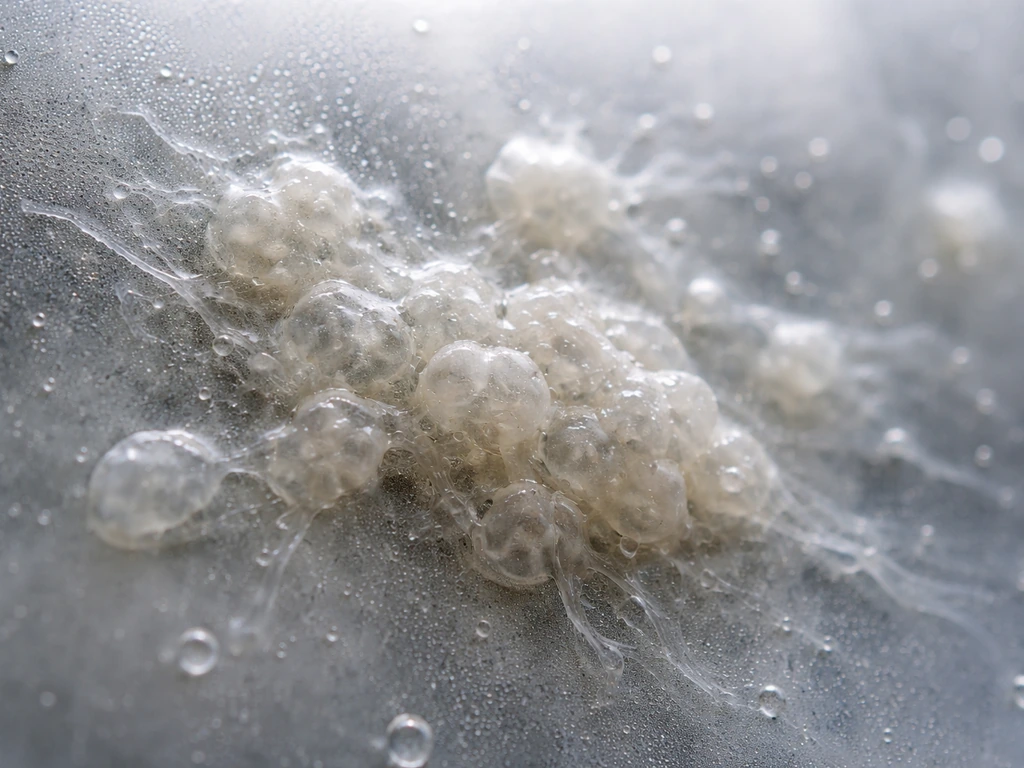
What 'single-celled organisms in irregular masses' usually means
When biology students or curious readers search this phrase, they are often describing something they have actually seen: a blob, smear, or patch of growth that does not look like a neat round colony or a fuzzy mold. The key concept here is that single-celled organisms do not stay single. They reproduce rapidly, secrete sticky compounds, and cling together or to surfaces. The result is an irregular mass rather than a tidy structure. This is fundamentally different from multicellular organisms, which grow into defined shapes because their cells are coordinated. A mass of bacteria or yeast has no coordinated body plan, so it spreads outward in whatever direction nutrients, moisture, and space allow. The shape is essentially a record of the growth conditions.
It is worth addressing one common misconception right away: the word 'mass' makes people think of mold. True molds (like Aspergillus or Penicillium) are multicellular fungi that grow in thread-like structures called hyphae. Single-celled organisms forming irregular masses are a different thing, though they can co-exist in the same environment. There is also a fascinating group called slime molds (for example, Fuligo septica, nicknamed 'dog vomit slime mold') that form large, bright-colored irregular masses on mulch or decaying wood. Despite the name, slime molds are not fungi at all. They have life stages where they engulf and feed on microbes, then aggregate into a visible mass. If you have spotted something vivid yellow or orange on garden mulch after a rain, that is likely your culprit rather than a bacterial biofilm.
Common candidates: bacteria, yeast, protozoa, and algae
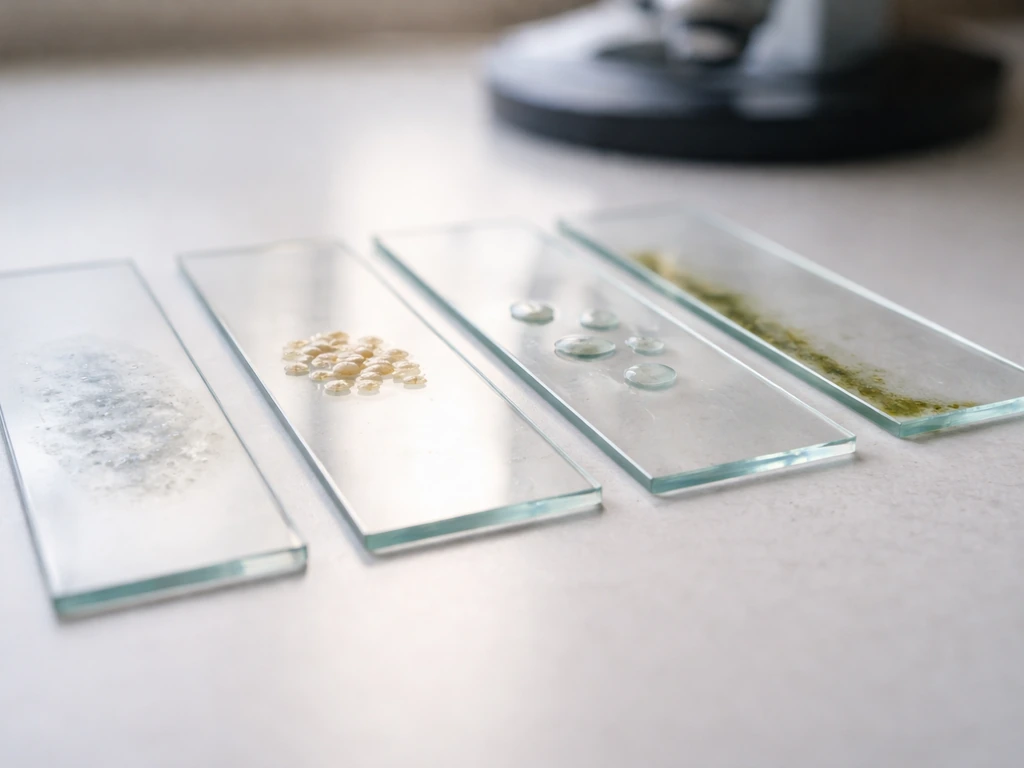
Not all single-celled organisms behave the same way, and the type you are dealing with changes both the risk and the cleanup approach. Here is a practical breakdown of the four main groups and their habits when it comes to forming visible masses.
| Organism | Cell type | Typical appearance | Where you find it | Forms irregular masses? |
|---|---|---|---|---|
| Bacteria | Prokaryote (no nucleus) | Slimy films, cloudy smears, pink/orange/black or colorless | Drains, showerheads, sinks, food surfaces, standing water | Yes, especially as biofilm |
| Yeast | Eukaryote (single-celled fungus) | Creamy, white, or off-white pasty patches | Fermented foods, moist skin folds, damp surfaces | Yes, can form thick colonies and pseudohyphae clumps |
| Protozoa | Eukaryote (single-celled) | Usually microscopic; not visible to naked eye alone | Standing water, soil, biofilm communities | Rarely visible as a mass on their own; live within biofilms |
| Algae (unicellular) | Eukaryote (e.g., Chlorella, diatoms) | Green, brown, or golden films on wet surfaces | Aquariums, outdoor water features, windowsills, damp tile | Yes, especially in thin green or brown films on wet surfaces |
Bacteria are by far the most common cause of irregular masses in everyday environments. They reproduce in as little as 20 minutes under ideal conditions, so a small contamination can become a visible colony within hours to days. Yeast are the second most likely culprit, particularly in warm, moist, sugary environments like kitchens, compost bins, or near fruit. Protozoa are almost never what you see with the naked eye, but they are worth knowing about because they live inside biofilm communities and can affect the microbial balance there. Unicellular algae form the greenish or brownish slicks you see in fish tanks, outdoor water bowls, or anywhere sunlight meets persistent moisture.
Why they form clumps and irregular masses
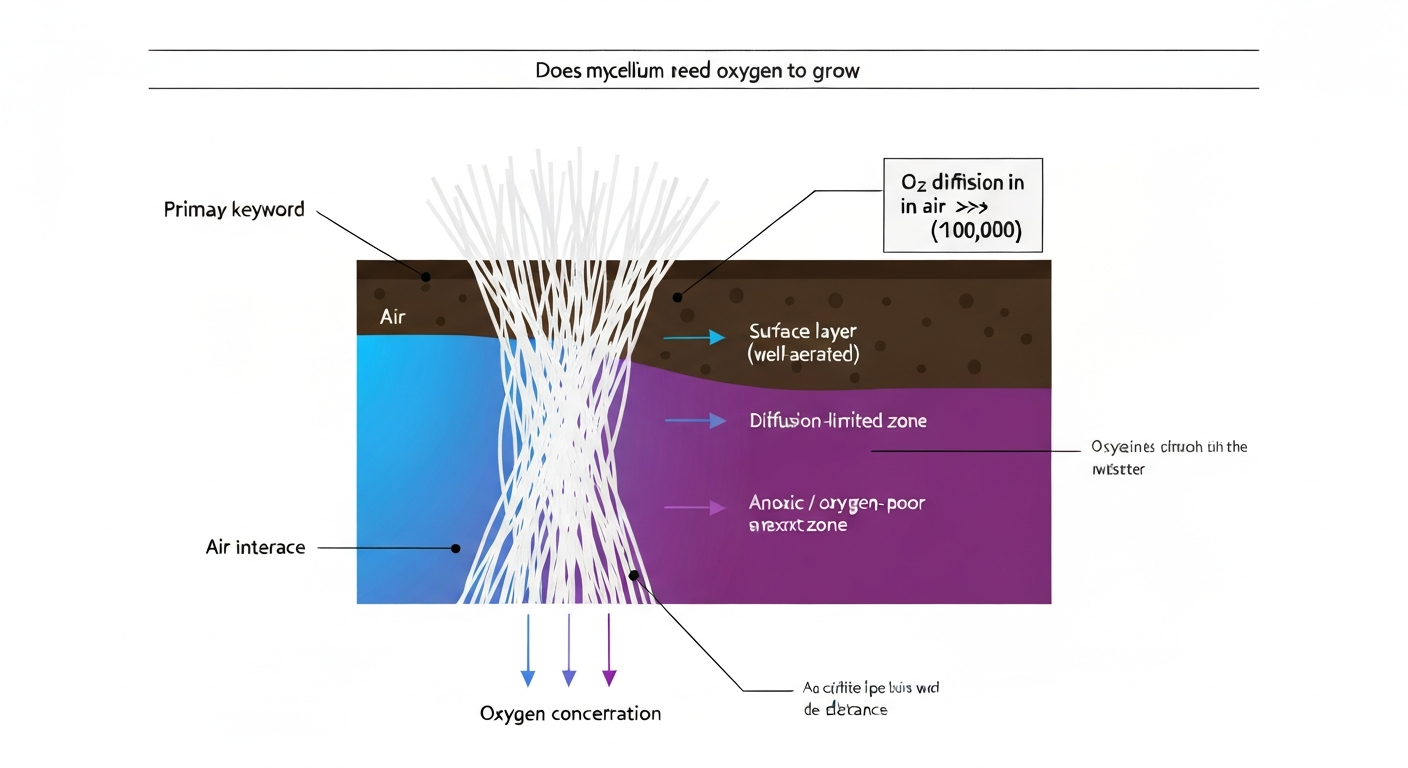
The short answer is: adhesion plus reproduction plus time. Microorganisms do not just sit on a surface. Within minutes of landing on a wet surface, many bacteria activate genes that cause them to produce EPS, which are high-molecular-weight sticky polymers (think: biological glue). These polymers anchor cells to the surface and to each other, forming the structural scaffold of a biofilm. More cells attach, divide, and get locked into the matrix. The mass grows outward in three dimensions, and because nutrient and oxygen levels vary from the outer edges to the inner core of the biofilm, cells in different zones behave differently. Some form channels for fluid flow, others go dormant. The whole irregular architecture reflects those internal gradients.
Growth conditions directly shape the final form of the mass. In a fast-flowing, oxygen-rich environment, biofilms tend to be thin and flat. In still, oxygen-poor environments (like the inside of a slow drain), they balloon into thick, irregular, gel-like structures. Temperature matters too: most bacteria causing household contamination grow fastest between about 25°C and 37°C (77°F to 98.6°F), which unfortunately overlaps perfectly with room temperature and body temperature. pH plays a role as well: neutral to slightly acidic environments (roughly pH 6 to 7.5) favor most bacterial and yeast growth. Extremes of pH (very acidic or very alkaline) slow them down, which is why acid-based bathroom cleaners are effective. Moisture is perhaps the single most critical variable. Without water activity above a certain threshold, microbial cell membranes cannot function. Remove the moisture and growth stops almost immediately.
How to identify what you are seeing
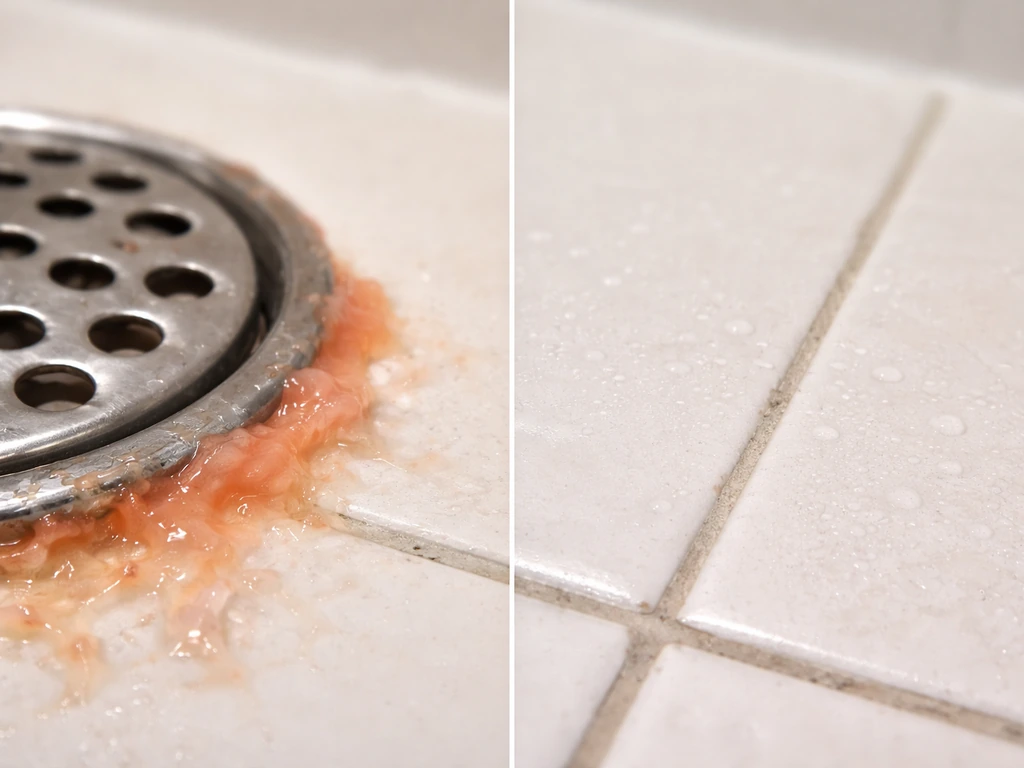
You do not need a microscope for a reasonable first assessment. A few practical observations will get you most of the way there. No home-based check will give you species-level identification, and I would strongly discourage trying to culture unknown samples at home. But narrowing down the likely category is genuinely useful for choosing the right cleaning approach.
Practical visual and sensory checks
- Color: Pink or orange slime in showers often signals Serratia marcescens bacteria, a common moisture-loving species. Black or dark gray films in grout or around drains are frequently bacterial biofilms mixed with mineral deposits. Green or brown films on wet surfaces near light are likely algae. Creamy white or off-white patches in a warm, moist, slightly sweet-smelling spot suggest yeast.
- Texture: Biofilms wipe off surfaces but feel slimy or gel-like rather than powdery. Mold (not a single-celled organism) feels dry and fuzzy and may have a musty, earthy odor. If the mass is powdery or fuzzy rather than slimy, you are likely looking at multicellular fungal growth.
- Location: Drain rings, showerheads, kitchen sink edges, and standing water containers are classic bacterial biofilm territory. Moist food surfaces (fruit, bread, cheese) hosting creamy patches suggest yeast. Outdoor wet surfaces in sunlight hosting a green film suggest algae.
- Odor: Biofilms often produce a slightly sour, musty, or sulfur-adjacent smell depending on the bacterial species. Yeast produces a distinctly fermentation-like, bread-or-beer odor. A sharp ammonia-like or rotten smell from a drain biofilm often indicates sulfur-reducing or nitrogen-cycling bacteria.
- Behavior when wiped: Biofilm masses typically smear and reappear within days if the conditions have not changed. If a growth keeps returning to the exact same spot after you clean it, that is a strong sign of biofilm rather than a one-time contamination.
The real limits of home identification
Visual checks tell you category, not species. A pink slime in your shower is almost certainly bacterial, but whether it is entirely harmless Serratia or contains opportunistic pathogens is something only lab culture or PCR analysis can confirm. Research on showerhead biofilms has found opportunistic pathogens present in communities that look entirely ordinary. This is why cleanup and prevention matter regardless of what color or texture the growth is. If you are trying to identify microbes for a classroom exercise, looking at petri dish growth under controlled conditions gives you much more information, and understanding what can grow in those conditions is a useful companion topic to what you are reading here. In general, many microbes such as bacteria, yeast, and some algae can be grown in a petri dish if the conditions and media support them petri dish growth. On which petri dish do only transformed cells grow, depends on using the correct selective antibiotic marker and medium.
Where they grow and what conditions drive it
Irregular microbial masses show up wherever the four core growth requirements line up: moisture, nutrients, appropriate temperature, and tolerable pH. In a home environment, those conditions are met more often than most people realize.
High-risk surfaces and environments
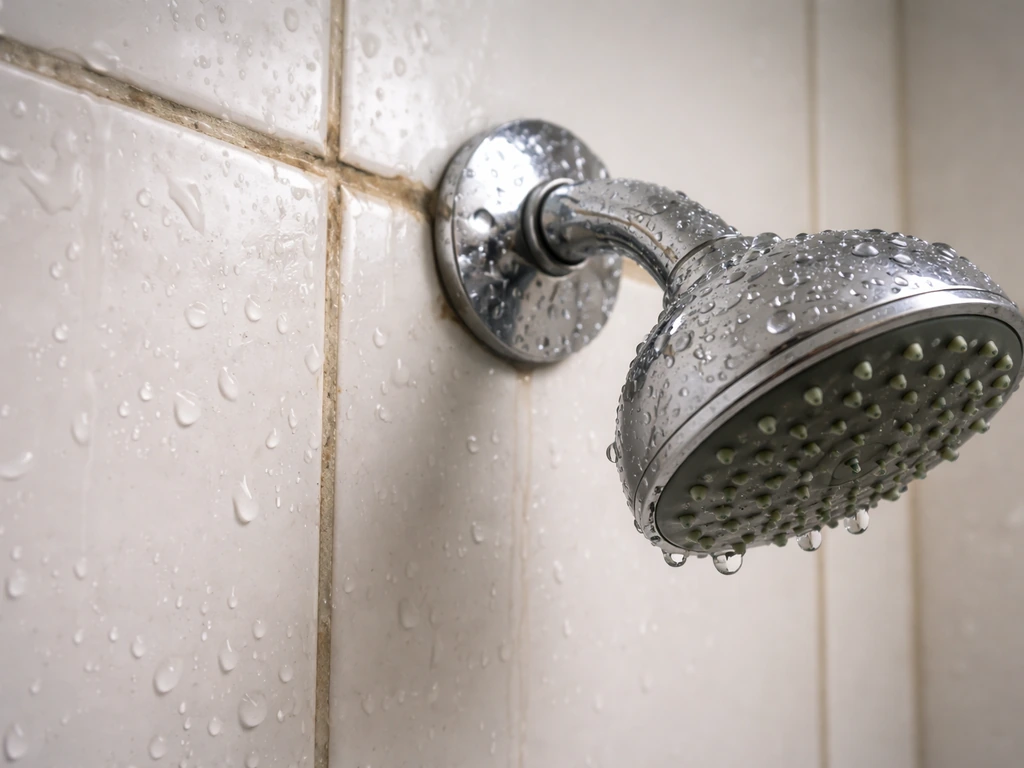
- Bathroom drains and showerheads: Constant moisture, body-temperature water, and organic nutrients from soap, skin cells, and hair create near-perfect biofilm conditions. Shower curtain biofilm studies have identified dense bacterial communities embedded in biofilm matrix on vinyl curtain surfaces.
- Kitchen sinks and drains: Food particles provide rich nutrients. The wet-dry cycle does not fully interrupt biofilm growth because the EPS matrix protects cells during dry periods.
- Standing water (vases, pet bowls, birdbaths, humidifier reservoirs): Still water with organic matter or mineral nutrients supports rapid bacterial and algal growth, especially at room temperature.
- Refrigerated produce and fermented foods: Yeast flourishes on sugars at temperatures even as low as 4°C (about 39°F), which is why fruit in the fridge can still develop yeasty films.
- Soil and plant growing media: A rich mixture of bacteria, protozoa, algae, and yeast exists in healthy soil. When plant media is kept too wet or is nutrient-loaded, visible masses can appear on the soil surface.
- Periodically wet household surfaces (bathroom grout, under sink mats, sponges): These alternate between wet and drying conditions, which encourages biofilm-forming strains over more delicate microbes.
Nutrients are a critical but often overlooked variable. Bacteria and yeast do not need much: trace nitrogen, carbon from organic material, and phosphorus are enough to sustain rapid growth. Soap residue, skin cells, food splatter, and even tap water minerals supply adequate nutrition. This is why a seemingly 'clean' surface that stays wet can still develop a biofilm in days. Temperature and pH round out the picture: most household biofilm formers are mesophilic (thriving between roughly 20°C and 40°C) and prefer near-neutral pH. Acidic or alkaline conditions found in some cleaning products disrupt cell membranes, which is why pH-extreme cleaners are genuinely effective when used correctly.
Safety, cleanup, and when to call for help
The biggest practical implication of biofilm formation is that ordinary wiping is not enough. The EPS matrix acts as a physical and chemical barrier. It can reduce how well disinfectants penetrate to the cells underneath, meaning a brief spray-and-wipe may kill only the surface layer while the deeper community survives. This is why cleaning before disinfecting is essential, not optional. Soap or detergent physically disrupts and removes the biofilm matrix. Disinfection, using an EPA-registered product, then kills any remaining organisms.
Step-by-step cleanup approach
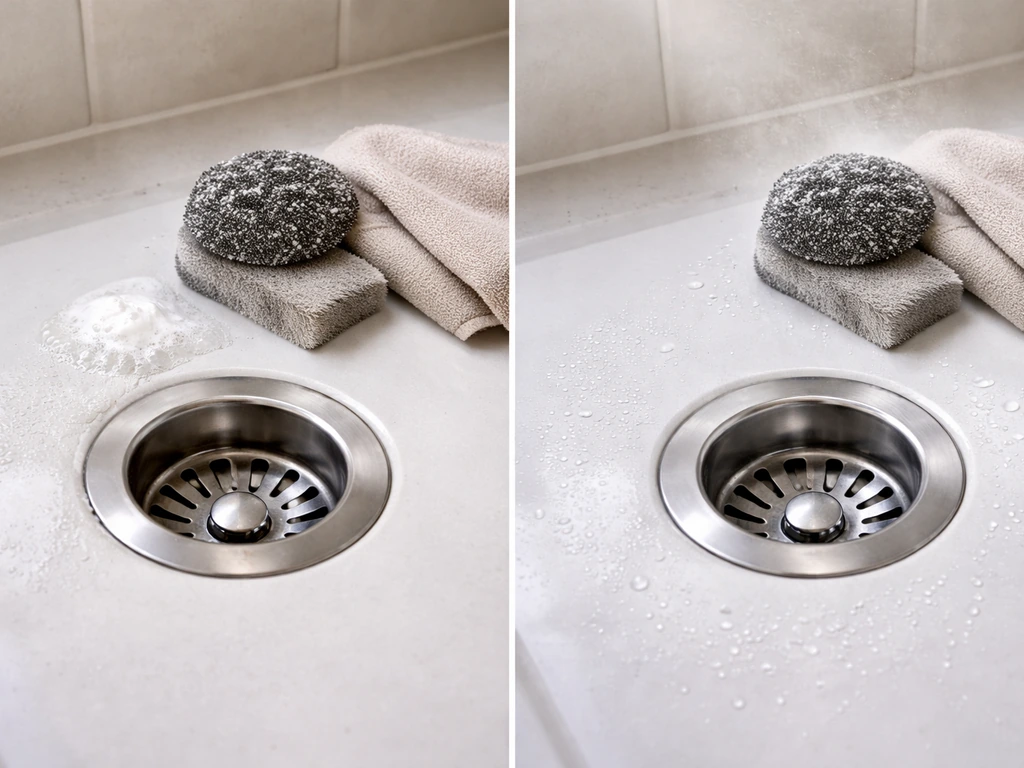
- Clean first: Use soap, detergent, or an appropriate cleaning product with mechanical scrubbing to physically break up and remove the visible mass. Rinse thoroughly.
- Disinfect second: Apply an EPA-registered disinfectant to the cleaned surface. Read the label for the specific contact time (the period the surface must stay visibly wet). Many products require a 10-minute dwell time to achieve full kill. Shorter contact is less effective.
- Respect ventilation: If using bleach-based products indoors, open windows and ensure airflow. Bleach fumes in enclosed spaces like bathrooms can be irritating and potentially harmful.
- Do not rely on fogging: Spraying disinfectant into the air or using foggers is not recommended for routine household disinfection. It does not replace surface-contact cleaning and may not be effective against established biofilms.
- Repeat as needed: If biofilm returns within days, the underlying conditions have not changed. Address moisture, nutrients, or surface porosity rather than just cleaning more often.
When to get professional help
Most household biofilm situations are manageable with consistent cleaning. But there are circumstances where professional assessment is the right call. If growth is recurring rapidly despite thorough cleaning, there may be a structural moisture problem (a hidden leak, inadequate ventilation, or porous grout) that home cleaning cannot resolve. If any household members are immunocompromised, have chronic lung disease, or are undergoing treatment that suppresses immunity, even ordinary microbial contamination carries higher risk. The CDC advises that people in these groups should not be present during mold cleanup and may need professional remediation. CDC notes that people with immune compromise or chronic lung disease may be at higher risk for infections from mold exposure. If the irregular mass has a dry, fuzzy, or powdery texture with a musty odor and is spreading across walls or ceilings, it may be multicellular mold rather than a bacterial or yeast biofilm, which involves different remediation protocols and potentially higher health stakes.
How to prevent microbial masses from forming in the first place
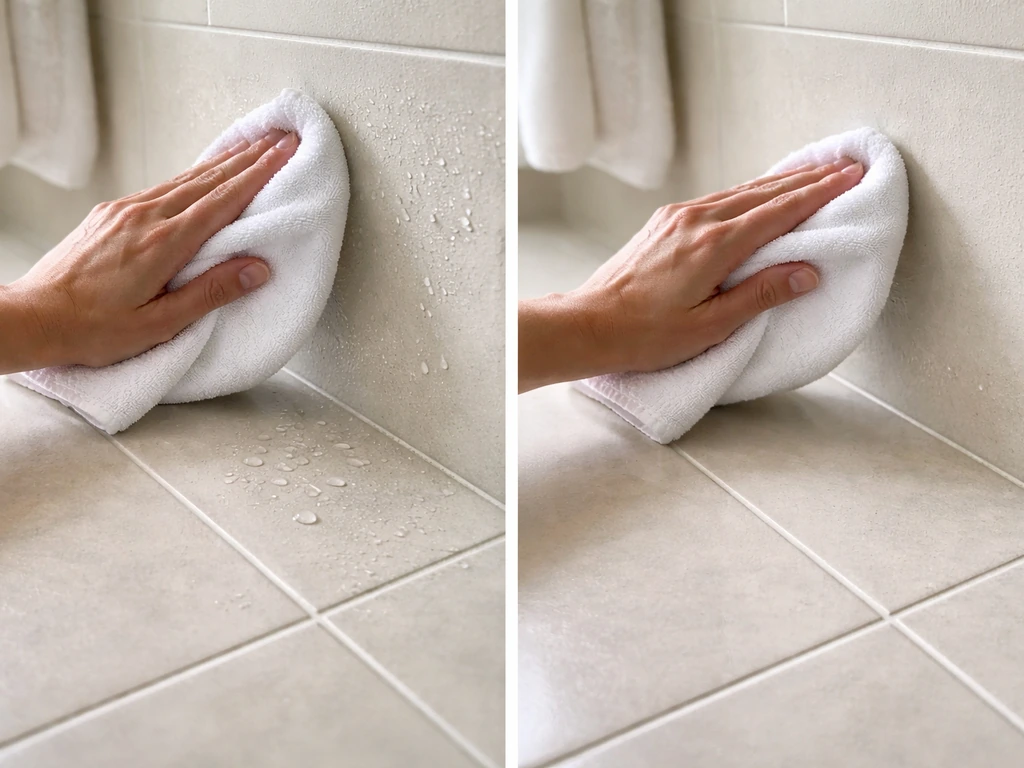
Prevention is fundamentally about disrupting the conditions that allow growth. You do not need to sterilize your home. You just need to consistently keep moisture, nutrients, and time below the threshold where visible communities establish themselves.
- Control moisture aggressively: Dry surfaces after use where possible. Fix drips and leaks promptly. Use exhaust fans in bathrooms during and after showers. Moisture is the most critical variable, and cutting it off stops growth faster than any disinfectant.
- Reduce available nutrients: Rinse food residue from sinks and drains regularly. Clean pet water bowls daily. Do not let standing water sit in vases, humidifier trays, or plant saucers.
- Clean on a schedule, not just when you see growth: Biofilm can be present in very thin layers before it becomes visible. Weekly cleaning of high-risk surfaces (drains, shower walls, sink edges) prevents build-up from reaching visible thresholds.
- Use temperature against microbes: Refrigerate perishables promptly to slow yeast and bacterial growth. Water above 60°C (140°F) inhibits most mesophilic organisms, which is why hot water flushes are useful for pipes and showerheads periodically.
- Manage pH with appropriate cleaners: Acidic bathroom cleaners (like those containing citric or phosphoric acid) disrupt biofilm in mineral-deposit-heavy areas. Alkaline cleaners are more effective on fat-and-protein-based films in kitchens. Matching the cleaner type to the surface and contamination type improves outcomes.
- Improve airflow: Good ventilation lowers both moisture and the concentration of airborne organisms that can seed new biofilm sites. This is especially important in bathrooms, basements, and around houseplants.
- Replace porous materials that harbor persistent biofilm: Old grout, worn silicone sealant, and waterlogged wood are difficult to fully disinfect because microbes colonize the interior of the material. Replacement removes the reservoir.
Understanding why microbes form these masses in the first place puts you in a much stronger position than simply reacting to visible growth. Bacteria, yeast, and algae are not doing anything 'wrong' from a biological standpoint. They are just exploiting the conditions available to them. Change the conditions and the irregular masses stop forming, or at least stop reaching the point where they become a visible problem. That is the core principle, and it applies whether you are managing a bathroom drain, a kitchen sink, a classroom petri dish, or a garden water feature. In enrichment cultures, the organisms you want to detect are grown by selecting the right growth medium and conditions, so their growth reflects what type of media you used enrichment cultures grow on which type of media.
FAQ
What’s the most likely organism if I see a slimy, cloudy film on shower tiles or inside plumbing fixtures?
It’s usually a bacterial biofilm (often with yeast mixed in). The key clue is the slimy, sticky film that forms in consistently wet spots, because the EPS matrix helps microbes stick and build an irregular structure even when the area looks “clean.”
Are irregular masses always biofilms, or can single-celled organisms form clumps in other ways?
They’re usually biofilms, but not always. Some single-celled organisms can form visible aggregates temporarily, yet lasting slime-like patches on surfaces most commonly reflect biofilm growth in an EPS matrix rather than a one-time clump.
Why do I keep seeing the growth come back after I wipe it?
Wiping often removes only the outer layer. Biofilm EPS can block disinfectants from reaching cells deeper in the matrix, so growth rebounds unless you disrupt the film with detergent first and then apply an appropriate disinfectant with enough contact time.
How can I tell if it’s bacterial or yeast biofilm versus multicellular mold?
In general, bacterial or yeast growth tends to be wet-looking slime or cloudy films, while mold is more likely to be fuzzy, dry, powdery, or spreading in a way that suggests multicellular hyphae. If texture is fuzzy or musty and it expands over walls or ceilings, treat it as potentially mold and consider professional assessment.
Is there any safe way to identify what organism it is without culturing it at home?
Yes. Focus on category-level clues like location (drain versus kitchen versus soil), moisture level, and texture, then use professional testing if needed (especially for recurring growth or higher-risk households). Home culturing of unknown samples is discouraged because it can spread contaminants and does not reliably identify species.
Does color matter, like pink, orange, green, or white patches?
Color can help narrow the likely category but it cannot confirm the organism. Many communities look similar, and different microbes can produce pigments or change appearance based on oxygen and moisture gradients within the biofilm.
Why do acid cleaners work better on some irregular masses?
Because many household biofilm formers prefer near-neutral conditions. Acidic products can disrupt cell membranes and inhibit growth, but they work best after you remove bulk slime or soap residue so the active ingredient can actually reach the surface and attached cells.
What’s the quickest way to reduce biofilm formation in drains?
Cut down moisture persistence and nutrient carryover. Regularly clean with detergent-based scrubbing to disrupt EPS, keep the drain area as dry as possible between uses, and avoid leaving organic residue. If problems recur, the issue may be an underlying leak or buildup that continuously feeds the biofilm.
Can unicellular algae be responsible for irregular masses in outdoor water or fish tanks?
Yes. Unicellular algae often appear as greenish or brownish slicks where light and persistent moisture are present. If the growth is strongly tied to sunlight exposure and looks like a surface film on standing water, algae is more likely than bacteria.
What changes make irregular masses stop forming, if I can’t completely eliminate microbes?
Biofilms depend on moisture, nutrients, temperature, and pH. Practical steps are reducing standing water, removing residue that feeds microbes, maintaining ventilation, and keeping surfaces dry. You do not need sterile conditions, you need conditions that stay below the threshold for visible community buildup.
Are biofilms safe to clean if I have asthma or a weakened immune system?
Extra caution is warranted. If anyone in the home is immunocompromised, has chronic lung disease, or is receiving immune-suppressing treatment, even ordinary microbial contamination can pose higher risk. In those cases, follow public health guidance and consider professional remediation rather than routine DIY cleaning.
Could this be a recurring “hidden moisture” problem rather than a cleaning problem?
Yes. If the irregular masses return quickly despite consistent detergent cleaning and proper disinfection, that often points to ongoing moisture sources (leaks, condensation, inadequate ventilation, porous grout) that keep conditions favorable for growth. Fixing the moisture source is usually the deciding factor.