Bacteria need six conditions to grow: food (nutrients), acidity (pH), temperature, time, oxygen, and moisture. These six factors are often remembered with the mnemonic FATTOM, and every one of them has to be in a favorable range at the same time for bacteria to multiply. In other words, bacteria grow when they have the right nutrients, moisture, temperature, oxygen (or lack of oxygen), time, and environment six conditions. Change even one of them enough, and you can slow growth to a crawl or stop it completely.
The 6 Conditions Bacteria Need to Grow Explained

Marcus Holloway
5 May 2026
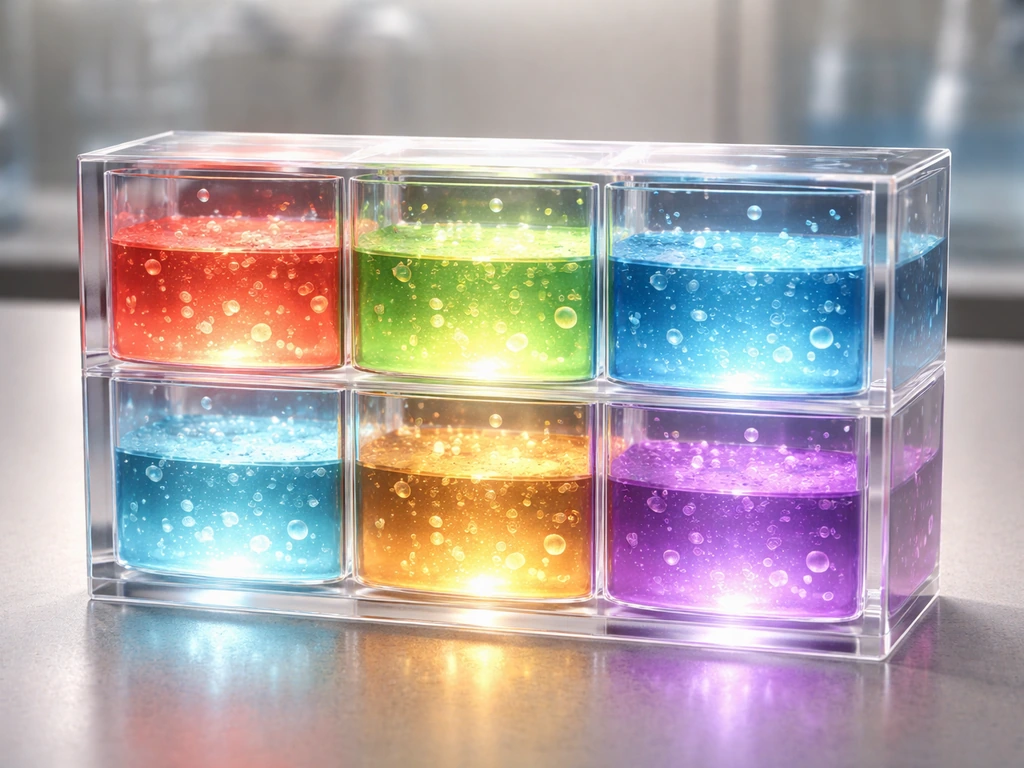
The 6 conditions at a glance
| Condition | What bacteria need | How to disrupt it |
|---|---|---|
| Food (nutrients) | Carbon, nitrogen, minerals for energy and cell building | Clean surfaces, remove organic matter |
| Acidity (pH) | Roughly pH 4.6–9.0, optimal near neutral (6.5–7.5) | Lower pH with acidification (pickling, fermentation) |
| Temperature | Most pathogens: 40°F–140°F (4°C–60°C) | Refrigerate below 40°F or heat above 140°F |
| Time | Enough time to double (as little as 20 minutes) | Limit time in the danger zone to under 2 hours |
| Oxygen | Varies: aerobic, anaerobic, or microaerobic | Modify atmosphere or use vacuum packaging |
| Moisture (water activity) | Water activity (aw) above ~0.85 | Dry, salt, or sugar to lower aw |
What each condition actually means
Food (nutrients)
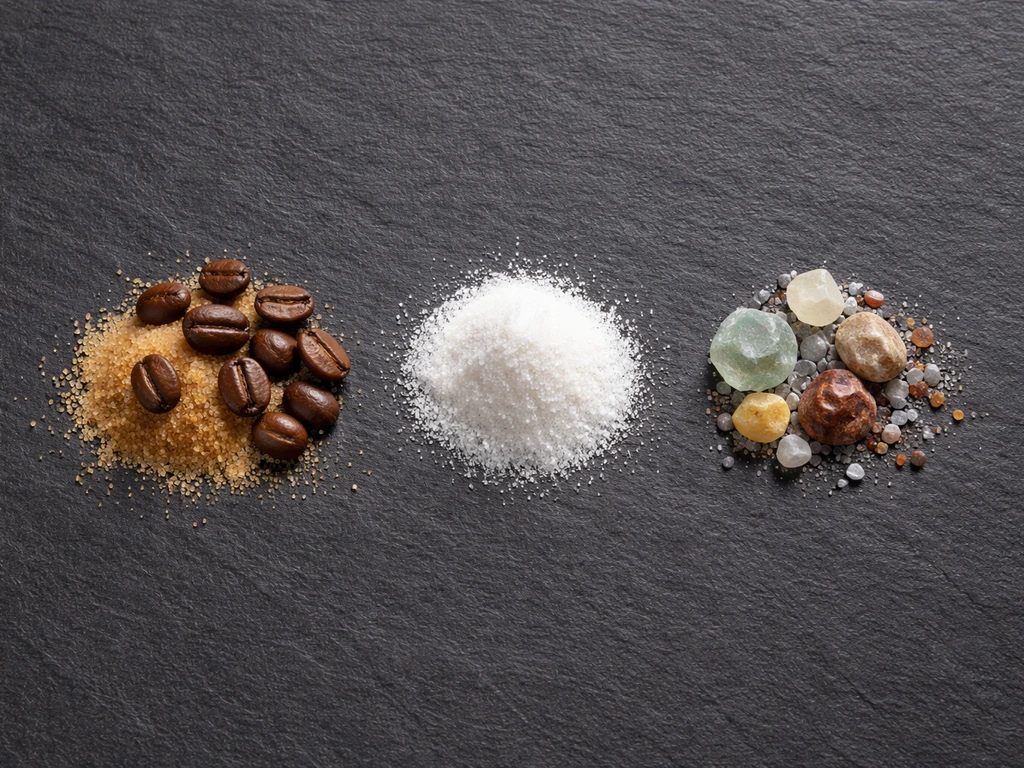
Bacteria need the same basic building blocks all living things do: carbon for energy, nitrogen for proteins, and minerals like phosphorus, sulfur, potassium, magnesium, and iron for cellular machinery. In short, bacteria need four key elements, including the right nutrients and the right environmental conditions, to grow. In practical terms, this means any surface or food with protein, fat, or carbohydrates is a potential growth substrate. Britannica notes that bacteria also generate energy through electron-transfer reactions, so the richer the nutrient environment, the faster metabolism and cell division can proceed. Some bacteria are described as 'fastidious,' meaning they have unusually complex nutritional requirements and can only grow if those very specific nutrients are present.
Acidity (pH)
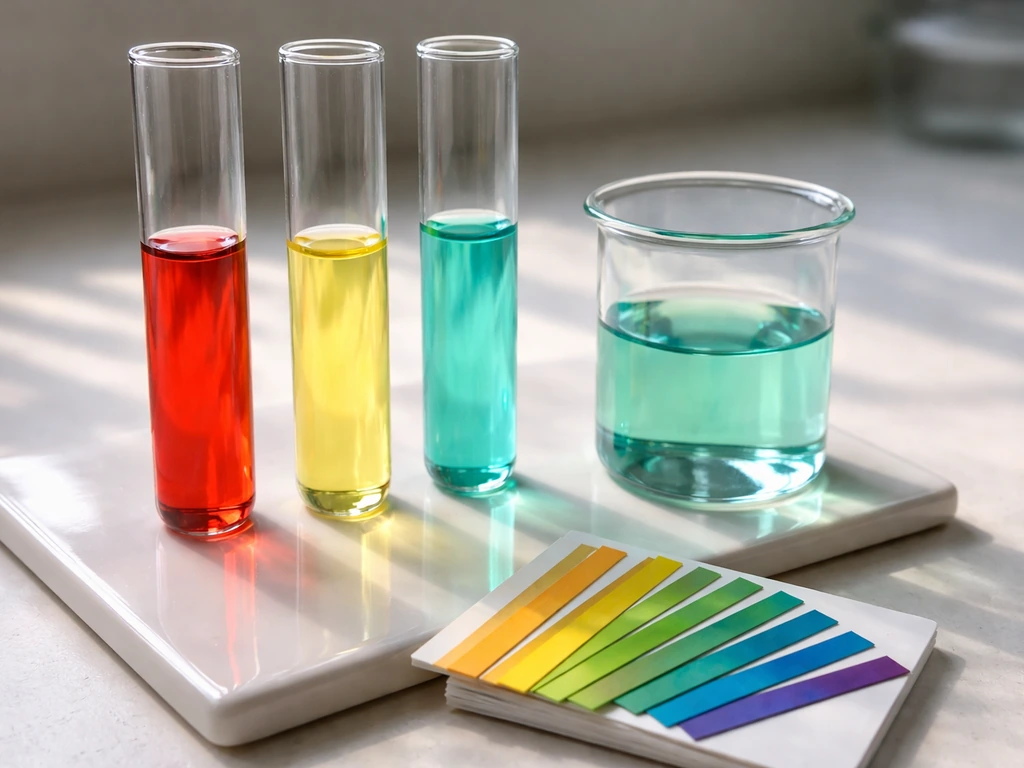
pH is a measure of how acidic or alkaline an environment is, on a scale of 0 to 14. Most bacteria that cause illness are mesophilic and prefer near-neutral conditions, typically pH 6.5 to 7.5, though they can grow anywhere from about pH 4.6 to 9.0. Below pH 4.6, the environment becomes too acidic for most pathogens to survive, which is exactly why pickling and fermentation work as preservation methods. The CDC notes that low pH acts primarily as a growth inhibitor rather than an instant killer, but holding food at a sufficiently low pH over time can destroy existing bacterial populations too.
Temperature
Temperature is probably the most talked-about condition because it is the easiest to control and the most dramatic in its effects. Bacteria are loosely grouped by their preferred temperature range. Psychrophiles thrive at cold temperatures (optimum 0–15°C) and generally cannot survive above 20°C. Mesophiles, which include most pathogens that affect humans, grow best between roughly 20°C and 45°C (68°F–113°F).
Thermophiles prefer temperatures above 60°C and are rarely a concern in food safety but matter enormously in industrial or environmental microbiology. The USDA calls 40°F–140°F (4°C–60°C) the 'danger zone,' because that is where mesophilic bacteria, including most foodborne pathogens, multiply most quickly. USDA FSIS defines the “danger zone” as the temperature range between 40°F and 140°F where bacteria can multiply rapidly [USDA calls 40°F–140°F (4°C–60°C) the 'danger zone'](https://www. fsis.
usda. gov/food-safety/safe-food-handling-and-preparation/food-safety-basics/danger-zone-40f-140f).
Time
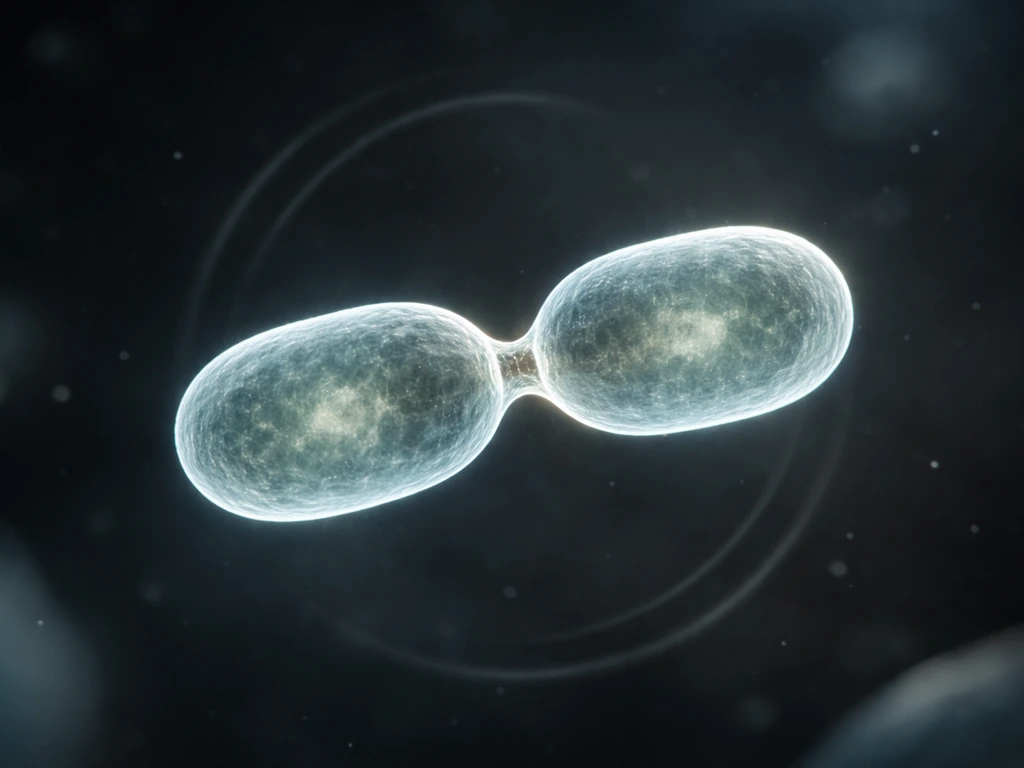
Bacteria reproduce by binary fission, splitting one cell into two. Under ideal conditions, some species can double every 20 minutes. That means a single bacterium can theoretically become over a million in about 7 hours. Time only becomes dangerous when the other conditions are also favorable, but it is an important reminder that even brief exposure to warm, moist, nutrient-rich environments adds up. The FDA advises never leaving food requiring refrigeration out at room temperature for more than 2 hours (or 1 hour if the air temperature is above 90°F).
Oxygen
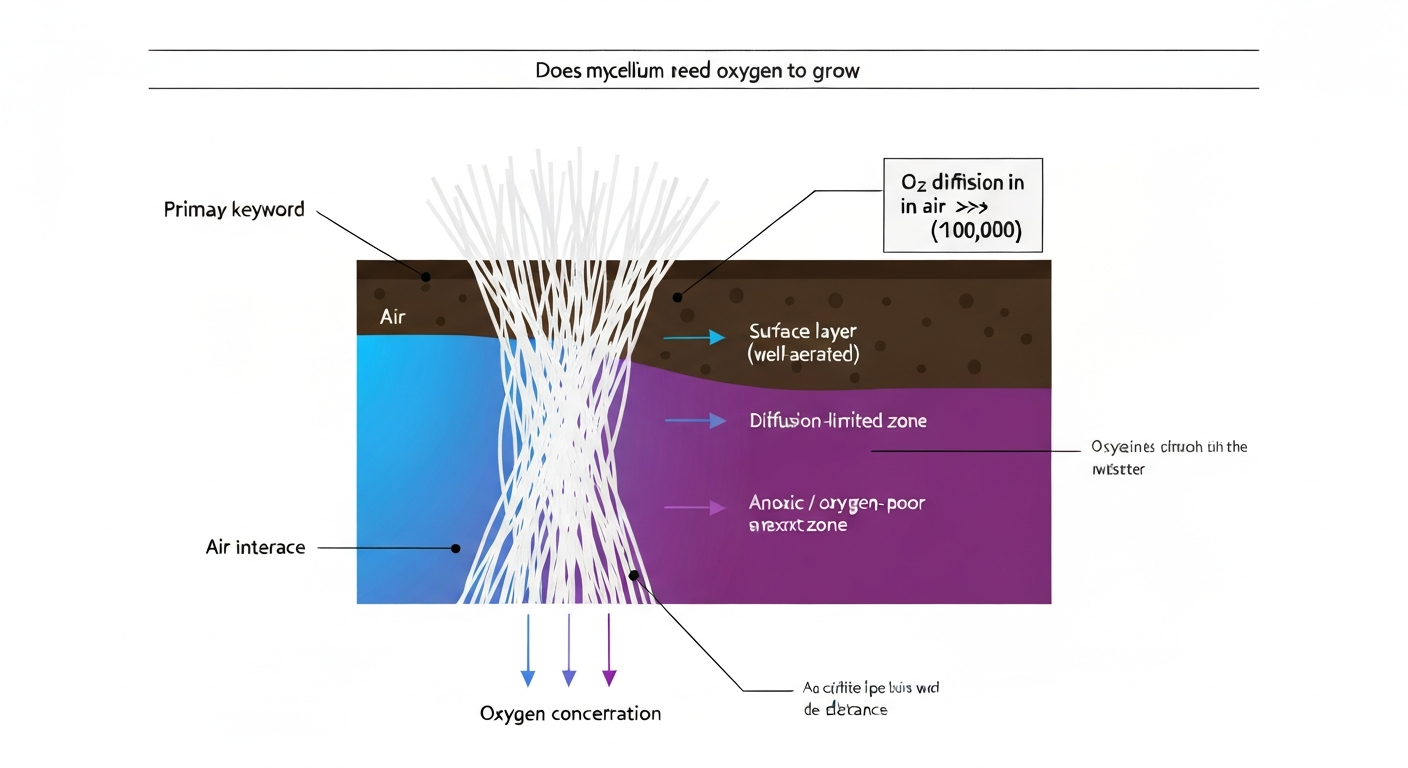
Different bacteria have very different relationships with oxygen, and this is a condition that often surprises people. Aerobic bacteria need oxygen to grow. Anaerobic bacteria cannot grow (and may be killed) in its presence. Facultative anaerobes are flexible and grow better with oxygen but can manage without it. Then there is a fascinating middle category called microaerophiles, which need oxygen but at lower concentrations than the 21% found in atmospheric air. Campylobacter jejuni, a common cause of food poisoning, is a classic microaerophile that prefers roughly 3–15% oxygen with elevated CO2. Understanding oxygen requirements matters a lot when you think about vacuum packaging, sealed canned goods, and anaerobic environments like the gut.
Moisture (water activity)
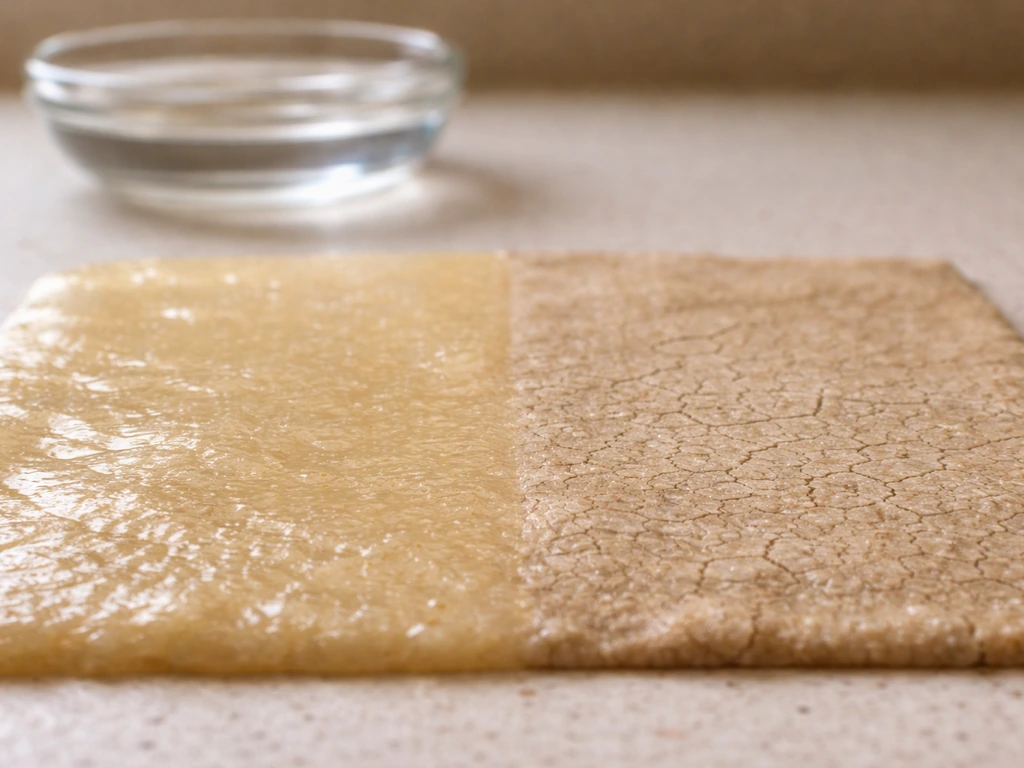
Water activity (aw) is not the same as water content. It measures how much of that water is actually available for microbial use, on a scale of 0 to 1. 0. Pure water has an aw of 1.
0. Most fresh foods have an aw above 0. 95, which is plenty for bacteria, yeast, and mold to grow. When you add salt or sugar, or you dry food, you bind up free water molecules, lowering aw.
The FDA identifies 0. 85 as a key regulatory threshold: foods with aw below that level are considered less supportive of harmful bacterial growth. Salt works as a preservative in part because it lowers water activity, and the NCBI notes it may also affect microbial enzymes and energy metabolism directly.
Environment and substrate
The environment or substrate is sometimes folded into the 'food' category in FATTOM, but it deserves a separate mention because it captures the physical setting bacteria are living in. A porous cutting board, a biofilm on a pipe, or the mucous membranes of a human throat are all substrates that can harbor bacteria and modify which of the other five conditions are met locally. Biofilms, for instance, create microenvironments where nutrients are concentrated, moisture is trapped, and the bacteria inside are partly shielded from pH changes or disinfectants. The substrate effectively mediates all the other conditions.
How each condition controls growth speed vs stopping growth
Think of the six conditions as dials, not switches. Bacteria do not go from 'growing fast' to 'dead' the moment one condition moves slightly out of range. There is usually a zone of slow, suboptimal growth before growth stops entirely, and another point where conditions actually become lethal. Temperature is the clearest example: bacteria slow as you cool food, stop growing somewhere below 40°F, but are not killed until you reach pasteurization temperatures (typically 145°F–165°F depending on the food).
The same logic applies to pH: growth slows as you approach pH 4. FDA repeats the regulatory definition that acidified foods are [low-acid foods adjusted to finished equilibrium pH of 4. 6 or below with aw greater than 0. 85](https://www.
fda. gov/guide-inspections-low-acid-canned-food-2). 6, stops below it for most pathogens, but the bacteria are not necessarily dead yet unless you hold that low pH long enough.
The USDA's predictive microbiology research makes this interactive nature explicit: it is always a combination of intrinsic food properties (pH, water activity, nutrient composition) and external storage conditions (temperature, atmosphere) that determines actual growth rate. This is why a slightly warm fridge combined with a slightly too-high water activity and rich nutrients can still produce rapid bacterial growth even when no single condition is dramatically out of range. All six work together.
Bacteria vs pathogens: the same rules, with some nuances
Pathogens are just bacteria (and other microorganisms) that cause disease. They follow the same FATTOM rules as any other bacterium, but their optimal ranges tend to cluster around human body conditions because that is the environment they evolved to exploit. Human body temperature (37°C/98.6°F) sits right in the mesophilic sweet spot. The gut has near-neutral pH in many regions. Bodily fluids provide excellent nutrients and moisture. So when a pathogen enters the body, it often finds ideal conditions for all six growth factors simultaneously.
Some pathogens have stricter requirements that make them easier to limit in the environment. Campylobacter needs microaerobic conditions, which is why it does not spread easily on dry open surfaces. Others like Listeria monocytogenes are unusually tolerant: they can grow at refrigerator temperatures (as low as 0°C), meaning the typical 'chill it to stop growth' rule does not fully apply. This is why understanding organism-specific thresholds, rather than just the general six conditions, matters for food safety and clinical settings. The core framework is the same; the exact dial settings differ by species.
Real-world examples: predicting where and why bacteria grow
In the kitchen
Chicken left on a counter to thaw is a textbook example of all six conditions aligning. That same idea is behind the FATTOM framework, where temperature, moisture, nutrients, and other factors are the six conditions bacteria need to multiply. The meat provides nutrients, has near-neutral pH, has high water activity, sits at room temperature (in the danger zone), is exposed to atmospheric oxygen, and given enough time, bacteria already present on the surface double rapidly. The CDC specifically warns against thawing food on the counter for exactly this reason. The safe alternatives, thawing in the refrigerator or under cold running water, control temperature and (in the latter case) limit time in the danger zone.
On surfaces and in hygiene contexts
A damp sponge sitting on a warm kitchen counter has high moisture, room temperature, and plenty of food residue from wiping surfaces. That is three or four conditions met simultaneously, which is why sponges can harbor millions of bacteria. Dry, clean, frequently replaced cloths disrupt the moisture and nutrient conditions. Hard, non-porous surfaces like stainless steel are easier to disinfect partly because they do not trap nutrients and moisture the way porous materials do.
In food preservation
Traditional preservation methods map almost perfectly onto the six FATTOM conditions. Pickling lowers pH below the growth threshold. Salting and curing lower water activity. Drying and dehydration remove moisture. Canning uses heat to kill bacteria and then seals food away from oxygen. Refrigeration controls temperature. Fermentation lowers pH through microbial acid production. Knowing the six conditions lets you understand immediately why these methods work and when they can fail (for example, a pickle with too-high pH, or a jar of jerky that was not dried enough).
In water environments
Water sources provide moisture and, if contaminated, nutrients and appropriate pH and temperature. Warm, standing water (think improperly maintained water coolers, hot tubs, or flood water) can support rapid bacterial growth. Legionella, for instance, thrives in warm water systems between roughly 20°C and 45°C. Chlorination disrupts bacterial growth primarily by damaging cell membranes and enzymes, effectively making the chemical environment hostile enough to kill or inhibit even when moisture, temperature, and nutrients are present.
Practical next steps: how to use the 6 conditions to limit bacterial growth
- Control temperature first. Keep cold foods below 40°F (4°C) and hot foods above 140°F (60°C). Never leave perishable food in the danger zone for more than 2 hours, or 1 hour if it is above 90°F outside.
- Reduce moisture wherever possible. Dry surfaces after cleaning, store dry goods in sealed containers, and understand that salt and sugar in recipes are doing preservation work by lowering water activity.
- Manage pH intentionally. Acidic marinades, vinegar-based dressings, and fermented foods work because they push pH below the range most pathogens can tolerate. For food safety, target pH below 4.6 for effective pathogen inhibition.
- Remove nutrients by cleaning thoroughly. Bacteria cannot grow on clean, sanitized surfaces. This means physical removal of food residue before applying any disinfectant, because sanitizers work poorly on organic matter.
- Limit time in favorable conditions. Batch-cook, refrigerate leftovers promptly (within 2 hours), and rotate food so older items are used first before bacterial populations have time to build up.
- Think about oxygen strategically. Vacuum-sealing removes oxygen for aerobic bacteria but will not stop anaerobes. Understand that sealed, low-acid canned goods can support Clostridium botulinum, an anaerobe, if pH and water activity are not also controlled.
Common misconceptions and a quick troubleshooting checklist
Misconceptions worth clearing up
- Refrigeration does not kill bacteria. It slows or stops growth for most species, but Listeria can still grow slowly at refrigerator temperatures. Cold storage buys time; it does not eliminate risk indefinitely.
- Freezing does not kill bacteria either. It suspends growth. Bacteria resume multiplying once food thaws, which is why thawing safely (in the fridge, not on the counter) matters.
- All bacteria need oxygen. False. Anaerobes like Clostridium are actually inhibited or killed by oxygen. Removing oxygen does not make all food safe; it can make conditions worse for anaerobic pathogens.
- If food looks and smells fine, it is safe. Not necessarily. Many pathogens do not produce visible spoilage signs. Growth can reach dangerous levels with no detectable change in appearance, smell, or texture.
- Drying food makes it completely safe indefinitely. Drying lowers water activity but does not sterilize. If improperly dried food absorbs moisture during storage, bacterial growth can resume.
- A single unfavorable condition is enough to guarantee safety. The conditions work together. A food can be slightly too acidic, slightly too warm, and slightly too moist and still support slow but significant bacterial growth over time.
Troubleshooting checklist: is bacterial growth likely in this situation?
- Is the temperature between 40°F and 140°F? If yes, growth is possible. If no, identify whether it is safely cold or safely hot.
- Is there available moisture? Check water activity or simply ask: is the food or surface wet, moist, or high in free water?
- Is pH near neutral (above 4.6)? If yes, most pathogens can potentially grow. If below 4.6, growth is inhibited for most species.
- Are nutrients present? Is there protein, fat, or carbohydrate that bacteria could use as a carbon and energy source?
- What is the oxygen situation? Aerobic, anaerobic, or mixed? Match this to the likely organisms present.
- How long has the food or surface been in these conditions? Even with all other conditions met, short time limits growth. Over 2 hours in the danger zone is a real risk.
Running through this checklist for any food safety or hygiene scenario will tell you quickly whether bacterial growth is likely and which condition you can most easily change to reduce the risk. If you are wondering about the 4 requirements for bacteria to grow, use the six-condition framework to see which ones are actually present in the situation six conditions. If you want to know what 4 conditions food bacteria need to grow, start with these six core factors and focus on the ones that match your situation. The six conditions are not just abstract biology: they are a practical decision-making tool you can apply in a kitchen, a lab, a hospital ward, or anywhere else microorganisms matter.
FAQ
If I make one of the six conditions worse, do bacteria immediately die?
Yes. Bacteria can be alive but not actively multiplying if one or more FATTOM dials are unfavorable. That is why refrigeration and controlled pH slow growth, but some organisms can still persist and later regrow when conditions become favorable again.
How is water activity different from just “moisture” in a food?
No, because aw is about how much water is available, not simply “how wet” something feels. A food can look moist but still have low aw due to sugar, salt, or solids, which is why measuring aw (or using validated preservation formulations) matters more than appearance.
What does “time” change in the six conditions, practically?
For many bacteria, time acts as the “multiplier.” Even if temperature is only mildly high, longer exposure increases the number of generations. The practical takeaway is to reduce both temperature and holding time, not just one of them.
Does vacuum packaging or sealed containers prevent bacterial growth?
Oxygen effects depend on the bacteria. Microaerophiles can grow when oxygen is present but at lower levels than air, so “sealed” or “vacuum” packaging does not automatically mean bacterial growth stops. It can shift which organisms thrive.
If low pH makes growth hard, does that mean acidic foods are always safe without careful processing time?
Usually not. Most low-pH preservation works by inhibiting growth and, over time, reducing populations, but the effectiveness depends on the starting pH, the final pH after processing, and how long the food sits at that pH. If the pH is too high, the system can fail even if it tastes “tangy.”
Is the “danger zone” always enough for food safety, or are there exceptions?
You can’t rely on a single “danger zone” number for every organism. Listeria can still grow in refrigeration, and some spores or cold-tolerant strains may persist. The six conditions are a framework, but safe handling still depends on organism-specific behavior and the food type.
How do pasteurization or sterilization relate to the six conditions model?
Pasteurization and sterilization are about lethality, while the FATTOM “stop growth” idea is about inhibition. Pasteurization temperatures can kill many bacteria, but surviving cells or spores may remain, and growth can resume if the six conditions later align.
Why do sponges or porous cutting boards seem to “keep” bacteria even after cleaning?
Stop growth is not the same as removing bacteria. For cleaning, the substrate and trapped residues matter. Porous items (like worn sponges or scratched cutting boards) can create local microclimates with moisture and nutrients, so effective hygiene often means physical removal plus disinfection and, sometimes, replacement.
What causes bacterial growth in hot water systems and water coolers if nutrients seem low?
Legionella and other water system microbes can be controlled by managing temperature and disinfectant residuals, but also by eliminating stagnant sections and maintaining flow. If water stays warm or sits unused, time plus moisture can allow amplification.
Can a biofilm change the effective values of the six conditions?
Yes, the “substrate” can create microenvironments that make dials locally different from the bulk product. A biofilm can trap moisture and concentrate nutrients, so disinfectants and pH changes may not reach cells effectively. That is why biofilm removal is often a separate step from chemical killing.