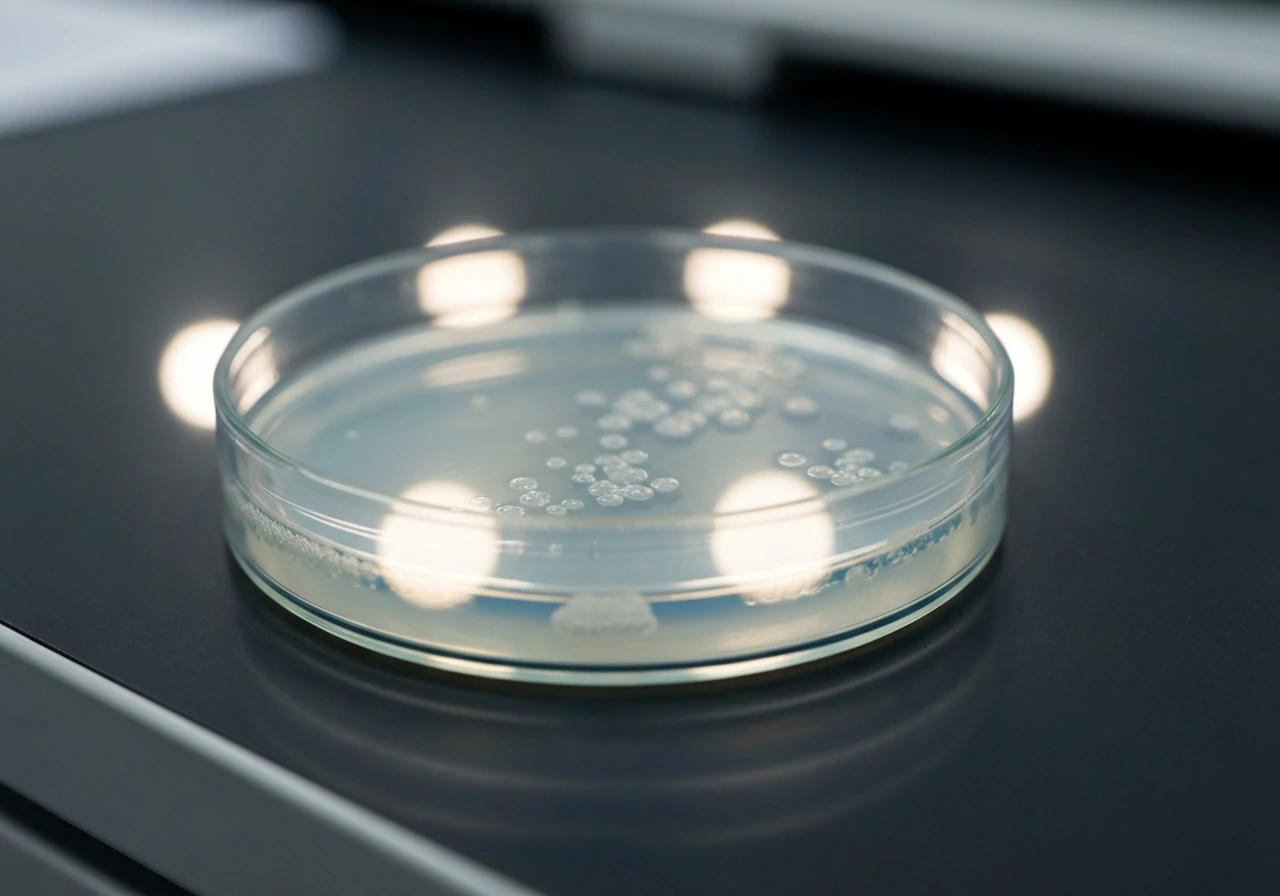
Bacteria need four things to grow: nutrients, moisture (water), a suitable temperature and pH, and the right oxygen environment. Get all four conditions right at the same time, and bacteria can double in number every 20 minutes. Change even one of them enough, and growth slows to a crawl or stops entirely. That is the entire logic behind refrigeration, drying food, adding acid, and vacuum sealing, all of those techniques target at least one of these four factors.
What 4 Things Bacteria Need to Grow: Simple Guide

Marcus Holloway
15 Jun 2026
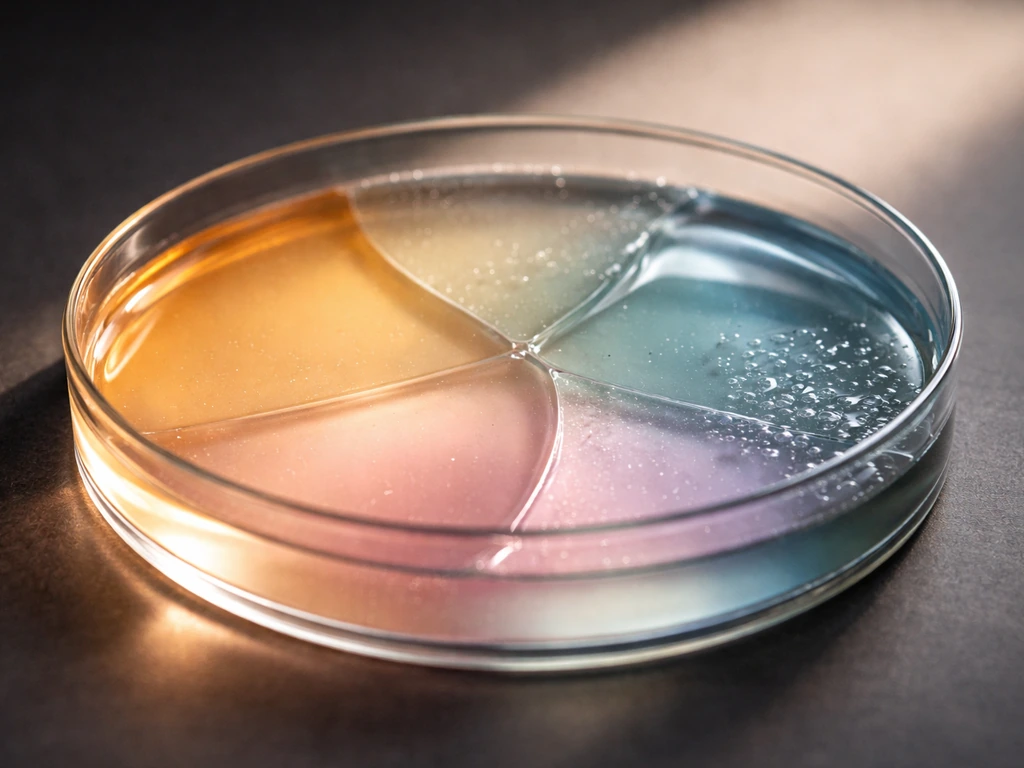
The four basic things bacteria need to grow
Before breaking each one down, here is the quick reference version. Bacteria need all four at once, not just one or two. Think of it like a recipe where every ingredient is mandatory. Think of the four basic things bacteria need to grow as food, the right acidity (pH), enough time at the right temperature, the right level of oxygen, and moisture.
- Nutrients — a food source to build cells and fuel metabolism
- Moisture — enough water available to carry out biochemical reactions
- Favorable temperature and pH — an environment that does not denature their enzymes
- Appropriate oxygen level — either the presence or absence of oxygen, depending on the species
Some resources, especially those focused on pathogens in food settings, expand this list to five or six conditions (adding time and sometimes oxygen as a separate entry). If you have seen "the 6 conditions bacteria need to grow" discussed elsewhere on this site, that framework layers additional detail on top of these same four foundations. If you want the short version of that approach, it builds on the same core requirements and then explains what changes when you move to five or six conditions the 6 conditions bacteria need to grow. For most practical purposes, mastering these four gives you everything you need to understand and control bacterial growth.
Nutrients: what bacteria are actually eating
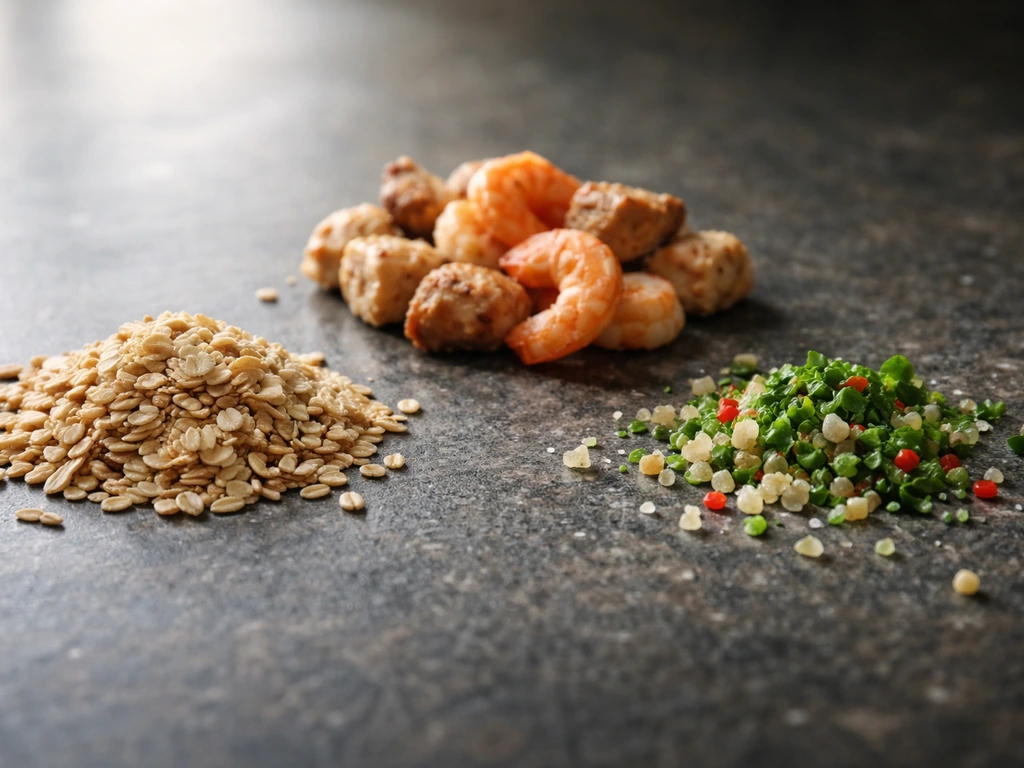
Bacteria need many of the same nutrients humans do: carbohydrates for energy, proteins and amino acids to build cell structures, fats, vitamins, and minerals. The FDA's food safety education materials frame it exactly that way: bacteria require nutrients that overlap significantly with our own dietary needs, which is precisely why our food is such an appealing growth medium for them.
High-protein foods like meat, poultry, seafood, eggs, and dairy are especially hospitable because they provide a dense, ready-to-use nutrient package. Cooked starchy foods are also excellent substrates because cooking breaks down cell walls and makes nutrients more accessible. Bacteria are not picky: even surface residues on a cutting board or the inside of a container are enough to sustain a colony if the other three conditions are met.
This is why the CDC's food safety framework begins with "Clean." Physically removing organic matter (the nutrient source) from surfaces and hands is not just about appearances. It eliminates the biological raw material bacteria need to multiply. Sanitizing after cleaning targets the bacteria themselves, but cleaning first is what removes their food supply.
Moisture: why water is non-negotiable for bacterial growth
Bacteria cannot grow without available water. Every biochemical reaction inside a bacterial cell, from making ATP to copying DNA, takes place in an aqueous environment. When water is not available, those reactions stall and the cell cannot reproduce.
Scientists measure available water using a value called water activity (aw), which runs on a scale from 0 (completely dry) to 1.0 (pure water). Most disease-causing bacteria cannot multiply at water activity levels at or below 0.85. The FDA uses aw 0.85 as a regulatory threshold: foods with water activity controlled to 0.85 or lower are considered outside the range where most pathogens pose a significant growth risk. The USDA applies a similar threshold for shelf-stable jerky, recommending a water activity critical limit of 0.85 or below for products stored in oxygen-containing environments. Even Staphylococcus aureus, which is unusually tolerant of low moisture, struggles at these levels.
In practical terms this explains why dried foods, salt-cured meats, and concentrated jams resist spoilage. Salt and sugar both lower water activity by binding water molecules so bacteria cannot access them. Drying removes the water outright. These are some of the oldest food preservation methods in human history, and the science behind them is simply this: drop the water activity low enough and bacterial growth stops.
Temperature and pH: the environmental sweet spot
Temperature and the danger zone
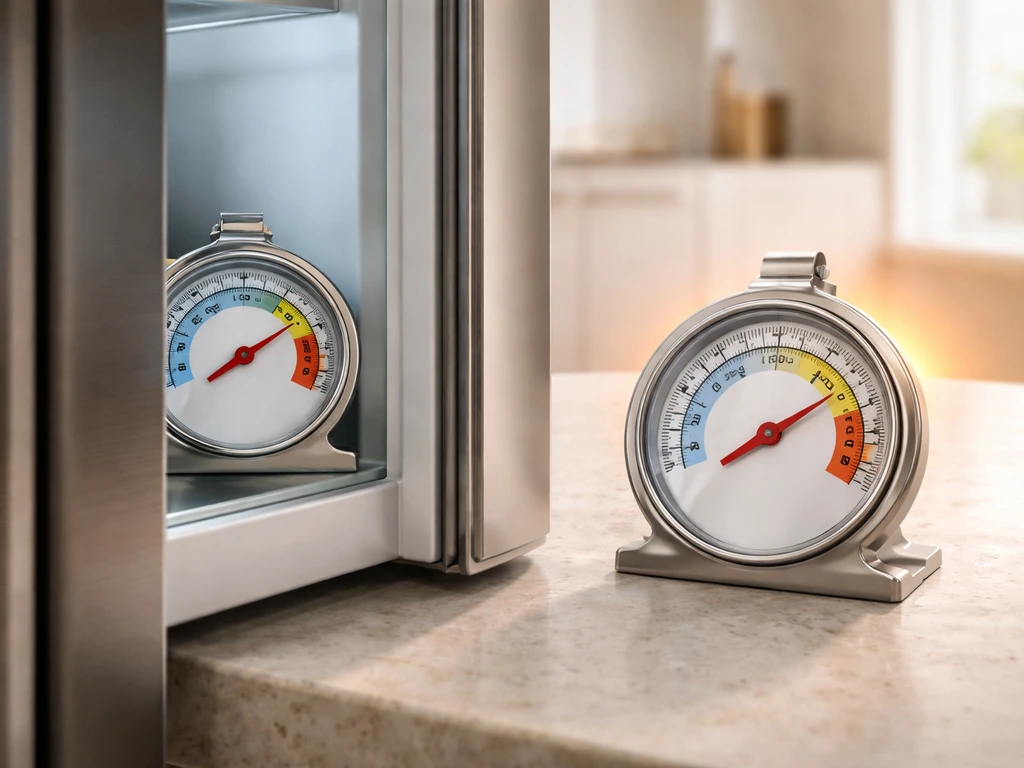
Bacterial enzymes are proteins, and proteins are sensitive to temperature. Too cold, and enzyme activity slows to a point where cells cannot carry out the reactions needed for growth. Too hot, and the protein structure unravels (denatures), killing the cell. Most disease-causing bacteria grow fastest between 41°F and 135°F, a range the Florida Department of Agriculture and Consumer Services, the FDA, and the CDC all refer to as the temperature "danger zone."
Refrigeration at 40°F or below does not kill bacteria, but it dramatically slows their metabolism and reproduction. Freezing slows growth further, though it still does not sterilize food. On the other end, cooking to safe internal temperatures (165°F for poultry, for example) denatures bacterial proteins and kills the cells outright. The FDA food code lays out rapid cooling schedules for cooked foods: get food from 135°F down to 70°F within 2 hours, and then down to 41°F within a total of 4 hours. That schedule exists because every minute food spends in the danger zone is time bacteria can use to multiply.
It is worth knowing that not all bacteria follow the same temperature rules. Psychrophiles thrive between 0°C and 15°C (32°F to 59°F) and can grow slowly even in a refrigerator. Thermophiles prefer temperatures well above 45°C. But the bacteria most likely to cause foodborne illness, the ones the danger zone concept targets, are mesophiles that peak somewhere between 20°C and 45°C.
pH: the acidity factor
pH measures how acidic or alkaline an environment is, on a scale from 0 (strongly acidic) to 14 (strongly alkaline), with 7 being neutral. Most bacteria, especially the pathogens we worry about in food and hygiene contexts, are neutrophiles. According to OpenStax's microbiology materials, neutrophiles grow optimally at a pH within one or two units of neutral, roughly pH 6 to 8. Drop the pH below 4.6 by adding acid (think vinegar in pickling or the natural fermentation acids in yogurt), and most dangerous bacteria cannot grow.
That pH 4.6 figure is not arbitrary. The FDA uses it as a regulatory cutoff for defining low-acid canned foods, and the FDA's acidified food regulations require a finished equilibrium pH of 4.6 or lower to keep Clostridium botulinum (the botulism-causing anaerobe) from growing. USDA research also flags the combination of pH above 4.5 and water activity above 0.86 as a zone where food poisoning risk must be taken seriously.
Some bacteria break the neutrophile mold. Acidophiles grow at pH values below 4, and Merck Millipore notes that some remain active at a pH as low as 1. But these are outliers. For the purposes of food safety and everyday hygiene, keeping pH below 4.6 is a reliable and well-tested tool for inhibiting harmful bacterial growth.
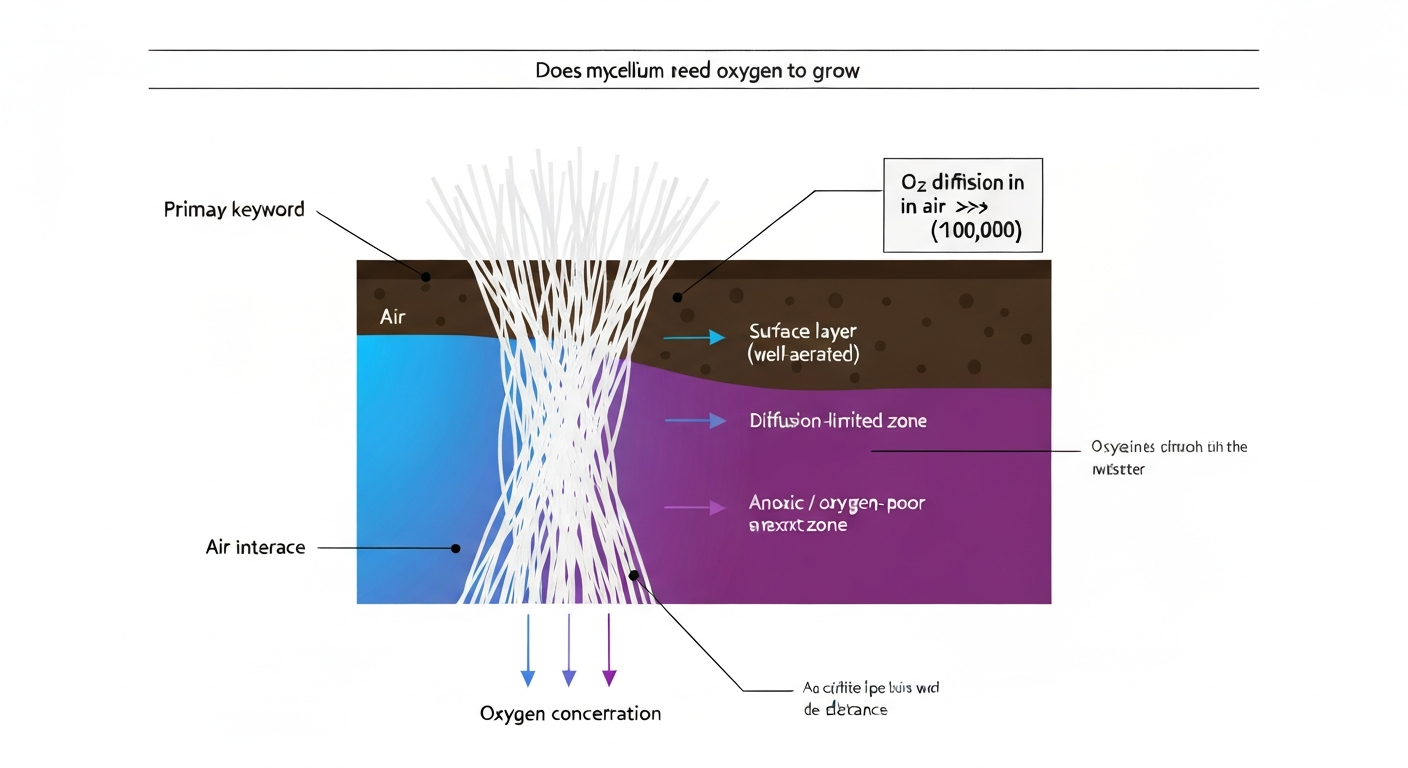
Oxygen: not every bacterium breathes the same way
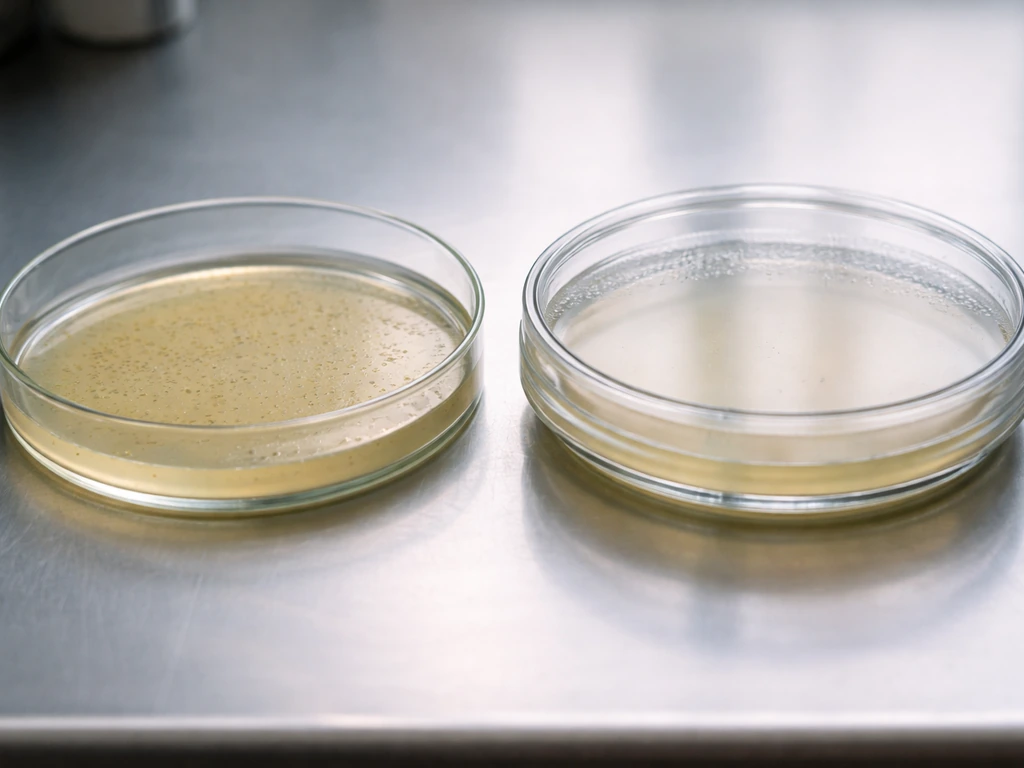
Oxygen requirements are where bacterial diversity really shows up. Unlike nutrients, moisture, temperature, and pH, where the goal is generally to deprive bacteria of what they need, oxygen is more complicated because different species have opposite requirements.
| Category | Oxygen requirement | Practical example |
|---|---|---|
| Obligate aerobe | Must have oxygen to survive | Mycobacterium tuberculosis |
| Obligate anaerobe | Oxygen is toxic; grows only without it | Clostridium botulinum (botulism) |
| Facultative anaerobe | Grows with or without oxygen, prefers oxygen | Escherichia coli, Salmonella |
| Aerotolerant anaerobe | Does not use oxygen but tolerates its presence | Lactobacillus (found in yogurt) |
| Microaerophile | Needs very low concentrations of oxygen | Campylobacter jejuni |
| Capnophile | Needs elevated CO2 levels | Neisseria gonorrhoeae |
This is why vacuum packaging and modified-atmosphere packaging are not universal solutions. Removing oxygen stops obligate aerobes but can actually give obligate anaerobes like Clostridium botulinum a competitive advantage. The USDA's jerky guidance reflects this: water activity limits are tighter (0.85 or below) for products stored in oxygen-containing environments, but shift to 0.91 or below when vacuum packed in oxygen-impervious packaging, because anaerobe risk must then be factored in differently.
For most food safety decisions in a home or commercial kitchen, the key takeaway is this: changing oxygen conditions does not eliminate bacterial risk by itself. It changes which bacteria pose the greatest threat. That is why oxygen control is almost always used in combination with temperature and water activity controls, not as a standalone intervention.
Putting it into practice: food safety and hygiene decisions you can make today
Understanding the four requirements gives you a mental framework for evaluating almost any food safety or hygiene decision. Once you know the four basic factors, it becomes easier to answer what conditions encourage bacteria to grow in real-world situations. Instead of memorizing a list of rules, you can reason through why each rule exists.
Check and control temperature
Keep a refrigerator thermometer and verify your fridge stays at 40°F or below. The CDC is direct about the counter-thawing mistake: never thaw food on the counter, because the outer surfaces of the food reach room temperature and enter the danger zone while the inside is still frozen. Thaw in the refrigerator, under cold running water, or in the microwave if you are cooking immediately. The CDC also recommends not leaving perishables at room temperature for more than two hours, or one hour when the ambient temperature is above 90°F. A food thermometer is your best tool for confirming that cooking has hit the temperatures needed to kill pathogens.
Remove moisture where you can
Dry surfaces thoroughly after washing them, because a damp cutting board or countertop is a much better growth environment than a dry one. In food storage, this is why jerky, crackers, and dried beans have long shelf lives: their water activity is controlled below the threshold where pathogens can grow. At home, you cannot measure water activity directly, but you can apply the principle: keep surfaces dry, store foods in airtight containers, and refrigerate anything with high moisture content.
Use acid when appropriate
Pickling, fermenting, and marinating in acidic solutions all lower pH. For home preservation, established tested recipes from sources like the USDA are critical, because hitting pH 4.6 or below consistently requires precise formulation. Just adding a splash of vinegar is not sufficient for canning safety, even if the food tastes sour. For everyday kitchen use, the acid principle still applies in a looser sense: acidic environments are genuinely less hospitable to the pathogens most likely to make someone sick.
Apply the CDC's four-step food safety framework
The CDC's "Clean, Separate, Cook, and Chill" framework maps directly onto the four bacterial growth requirements. Clean removes nutrients and disrupts moisture on surfaces. Separate prevents cross-contamination, which is essentially preventing bacteria from accessing new nutrient sources. Cook uses temperature to kill bacteria. Chill takes food out of the danger zone and slows any remaining bacterial activity. If you understand why each step works at a biological level, you are far more likely to follow through on all four consistently rather than treating them as arbitrary rules.
The same four-factor thinking applies beyond the kitchen. In healthcare and hygiene settings, the logic is identical: control the nutrients available to bacteria (thorough cleaning), control moisture (dry surfaces resist colonization), control temperature where possible, and understand the oxygen environment of the surfaces and spaces you are trying to protect. These conditions are not independent switches you flip one at a time. They work together, and targeting multiple factors at once is always more effective than targeting just one.
FAQ
If bacteria need nutrients, moisture, temperature, and pH, why does mold sometimes grow when I dry a surface or use salt?
Because “dry” or “salty” is about water activity, not just visible moisture. A film of liquid, trapped condensation, or porous material can keep local water activity high enough. Also, a surface may still provide enough nutrients, and pH can vary in micro-areas (for example, residues, body fluids, or food spills), allowing growth even when the overall area looks dry.
Can bacteria survive if I control only one of the four factors?
Yes. Controlling one factor usually slows growth, but it does not guarantee elimination, since some bacteria can remain alive and resume growth when the other conditions improve. For risk reduction, the practical goal is to make at least one factor hostile enough (for example low pH, low water activity, or out of the temperature danger zone) while also preventing recontamination.
What is the safest way to apply “temperature control” if I am reheating or cooling leftovers?
Use a probe thermometer and control both ends. Reheat quickly to the target internal temperature, then cool rapidly using shallow containers and an ice bath or rapid-cooling setup. The “danger zone” risk comes from time, so slow cooling is often more hazardous than reheating that is done correctly.
Does freezing stop bacteria from growing, or does it just slow them?
Freezing mainly pauses growth by making water less available for reactions and by suppressing enzyme activity. It does not reliably sterilize. When food thaws, surviving bacteria can become active again, so thawing conditions and prompt cooking or refrigeration still matter.
How do I interpret the oxygen requirement for real foods, like vacuum-sealed meat or deli products?
Oxygen control changes which organisms dominate. Vacuum sealing removes oxygen, which can reduce obligate aerobes, but it can allow certain anaerobes to be more competitive. That is why oxygen-based packaging is only part of the strategy, you still need the temperature, pH, and water activity targets to match the specific product.
Is pH control as simple as “adding vinegar” to make food safer?
No. The safety effect depends on reaching a specific finished pH throughout the product, and on the overall formulation and processing method. For canning or any low-acid process, use tested recipes and proper procedures, because a small pH error can leave conditions permissive for high-risk organisms.
Can good hygiene eliminate bacteria entirely from hands or surfaces?
Cleaning and sanitizing reduce microbial load, but complete removal is not the usual outcome, especially from skin, cracks, porous materials, or heavily soiled areas. Focus on the sequence: remove nutrients first (clean), then reduce remaining cells (sanitize), and keep surfaces dry when possible to prevent regrowth.
Why can bacteria grow in the refrigerator even if the temperature is “cold”?
Some bacteria are psychrophiles or cold-tolerant, and they can grow slowly at refrigerator temperatures. If you keep food too long, especially after temperature fluctuations or when foods are not sealed properly, slow growth can still become enough to cause spoilage or increase risk for vulnerable foods.
What mistake most often defeats the “four conditions” approach at home?
Fixating on one variable, like refrigeration, while ignoring the others. For example, thawing on the counter increases temperature for the outside surface, which can let bacteria access nutrients from the food. Another common issue is not preventing cross-contamination, so new nutrient sources are introduced even if one factor seems controlled.
How can I apply the four-factor idea to a practical decision, like whether to keep a food out longer?
Treat it as a time and conditions problem. If the food spends time in the temperature danger range, and it has enough moisture and nutrients, growth can accelerate. Use shorter time windows for high-moisture, protein-rich foods, and remember that pH and salt can help but do not fully cancel out a long temperature exposure.