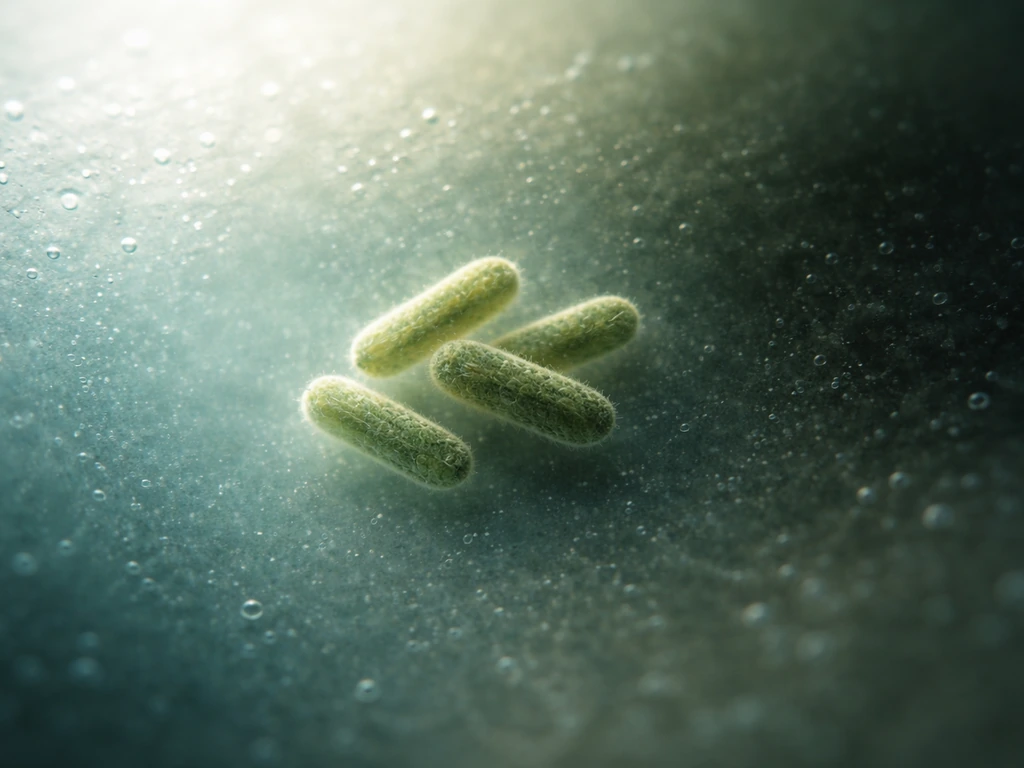
Most bacteria cannot actively grow in pure, concentrated glycerol. They can survive in it, sometimes for years, but survival and growth are two completely different things. Whether bacteria actually grow depends on the glycerol concentration, what other nutrients are present, water availability, temperature, pH, and oxygen. At low concentrations, glycerol can actually serve as a food source for many bacteria, fueling real growth. At high concentrations (think 50% or above), it suppresses growth by pulling water away from cells and creating osmotic stress. So the honest answer is: it depends, and the details matter a lot.
Can Bacteria Grow in Glycerol? Conditions Explained

Marcus Holloway
26 Jun 2026
What glycerol actually does to microbes: growth vs. survival
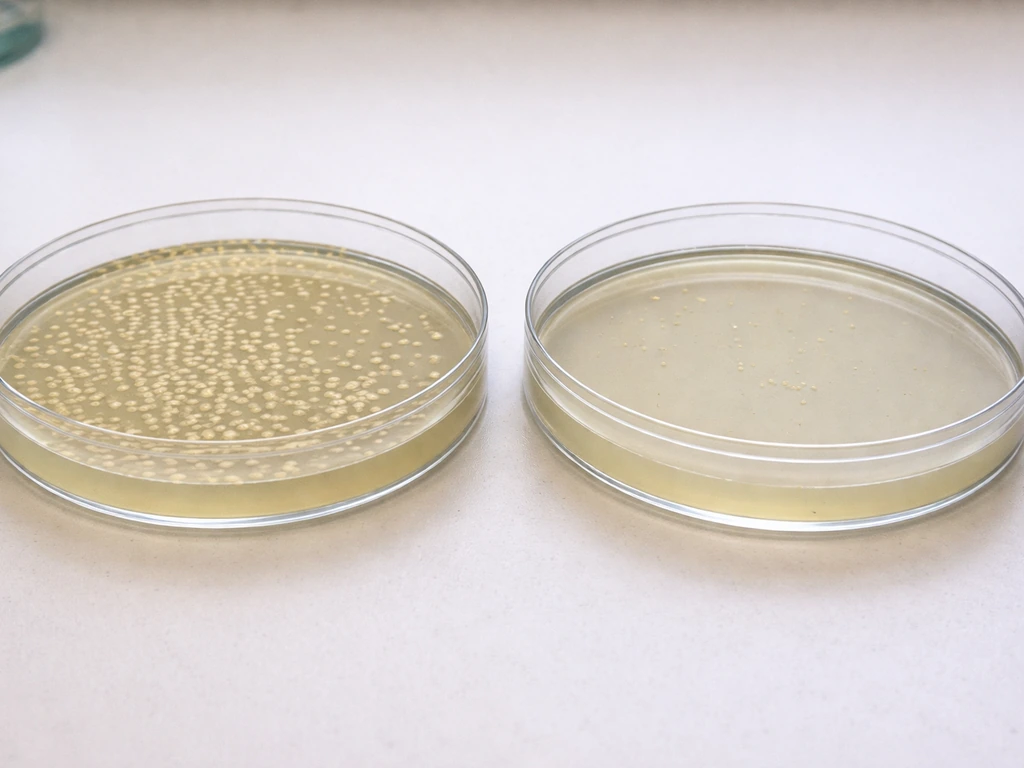
Glycerol (also called glycerin) is a three-carbon alcohol that shows up everywhere in biology. It is a backbone component of fats and cell membranes, it is used as a preservative and humectant in food and cosmetics, and in labs it is the gold-standard additive for freezing bacterial stocks at -80°C. That last use is the key to understanding the confusion here: glycerol keeps bacteria alive during freezing without killing them, which makes people wonder if bacteria are also growing in it.
They are not growing when frozen, obviously, but the question is fair at room temperature. The distinction to lock in early is this: surviving in a substance means cells are metabolically dormant or at least not dividing, while growing means actively metabolizing, dividing, and increasing in cell number. Glycerol can support both outcomes depending entirely on the conditions. High-concentration glycerol keeps bacteria alive but metabolically suppressed. Low-concentration glycerol in a nutrient-rich environment can genuinely feed them.
When bacteria can use glycerol as a carbon source
Many bacteria have dedicated molecular machinery for pulling glycerol into the cell and breaking it down for energy. In E. coli, a protein called GlpF (glycerol uptake facilitator) acts as a channel that is highly permeable to glycerol, letting it diffuse in without the cell needing to spend energy on active transport. Once inside, enzymes convert glycerol into dihydroxyacetone phosphate (DHAP), which plugs straight into glycolysis. The common pathway goes through either glycerol kinase (GlpK) or glycerol dehydrogenase, depending on whether conditions are aerobic or anaerobic.
Enterococci, for example, can dissimilate glycerol anaerobically using an NAD-dependent glycerol dehydrogenase paired with a dihydroxyacetone kinase (DHA-kinase). In Enterococci, glycerol uptake is described as energy-independent facilitated diffusion via GlpF, and anaerobic glycerol dissimilation can proceed through an NAD+-dependent glycerol dehydrogenase paired with a DHA-kinase pathway with coupling through a quinone/electron-transfer system. This means they can extract energy from glycerol even without oxygen, as long as they have the right electron transfer partners available. This is not unique to Enterococci; many common gut and environmental bacteria share similar pathways. So if you have a dilute glycerol solution that also contains nitrogen sources, minerals, and is held at an appropriate temperature, certain bacteria absolutely can grow in it.
The catch is regulation. Glycerol metabolism is tightly controlled in most bacteria. The phosphotransferase system (PTS), which manages sugar uptake, also regulates glycerol kinase activity. This means glycerol metabolism often gets downregulated when preferred carbon sources like glucose are present. In a rich nutrient environment, bacteria may ignore glycerol entirely and eat something else first. Glycerol as a sole carbon source is a different story: it works for growth, but the conditions have to be right and the right species have to be present.
Why high glycerol concentrations shut growth down
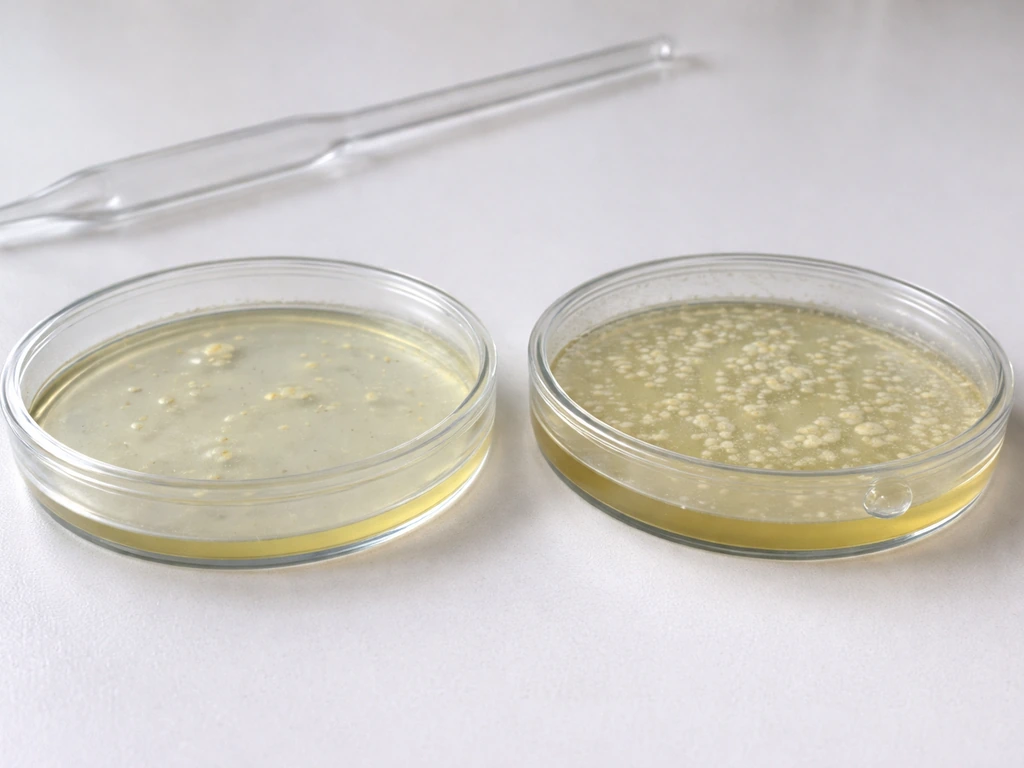
Water activity (abbreviated aw) is the measure of free, available water in a substance. Pure water has an aw of 1.0. Most bacteria need an aw above 0.91 to grow actively, and many spoilage organisms need it even higher. As you dissolve more and more glycerol into water, the aw drops because glycerol molecules bind to water molecules, making them unavailable to microbial cells. At around 50% glycerol by weight, the water activity falls to a level where most bacterial growth is effectively halted.
The osmotic stress angle matters too. When bacterial cells are surrounded by a high-glycerol solution, water moves out of the cell by osmosis, causing cells to shrink and lose turgor pressure. Bacteria fight this by accumulating compatible solutes (small organic molecules that balance osmotic pressure without disrupting metabolism), but at very high glycerol concentrations, this defense mechanism is overwhelmed. The result is a stressed, dormant cell that is alive but not dividing. This is exactly why 50% glycerol in cryoprotective stocks preserves bacteria so effectively: the cells are metabolically suppressed, not dead.
Interestingly, glycerol itself can act as a compatible solute in some organisms. Certain halotolerant and osmotolerant microbes actually accumulate glycerol inside their cells to counteract external osmotic pressure. Yeast and some algae are well-known examples. But even these organisms have limits, and concentrated external glycerol still suppresses their growth rather than supporting it.
The other growth requirements that decide the outcome
Glycerol concentration is just one piece of the puzzle. Whether bacteria can grow in gasoline depends on what water or other nutrients are present, since gasoline by itself is not a good growth environment Glycerol concentration is just one piece of the puzzle.. Even at a concentration low enough to be used as a carbon source, bacteria will not grow unless several other conditions are met simultaneously. This is the core principle behind all microbial growth: no single factor acts alone. Every condition interacts with every other one.
- Water activity: As discussed above, aw must typically be above 0.91 for most bacteria. Dilute glycerol solutions maintain sufficient water activity; concentrated ones do not.
- Temperature: Most common bacteria (mesophiles) grow between 10°C and 45°C, with optimal growth around 25 to 37°C. Refrigeration (below 4°C) slows growth dramatically even in a dilute glycerol medium, and freezing stops it entirely.
- pH: Most pathogenic and spoilage bacteria prefer a pH between 6.5 and 7.5. A strongly acidic or basic glycerol solution will suppress growth even if every other condition is favorable.
- Nutrients: Carbon alone is not enough. Bacteria need nitrogen sources (amino acids or ammonium salts), phosphorus, sulfur, and trace minerals. Pure glycerol provides carbon and nothing else. Without nitrogen especially, protein synthesis stops and growth halts.
- Oxygen: Whether a bacterium needs oxygen (aerobe), is killed by it (strict anaerobe), or can work either way (facultative anaerobe) determines whether sealed vs. open containers favor or prevent growth. A sealed glycerol container limits oxygen but may still allow anaerobes or facultative organisms to thrive if other conditions are met.
- Competing microbes and contamination: In real-world containers, glycerol is rarely pure. Water contamination, contact with skin, or reuse of bottles introduces bacteria, but also introduces the nutrients those bacteria need to potentially grow.
Glycerol in the lab vs. glycerol in real life: very different situations
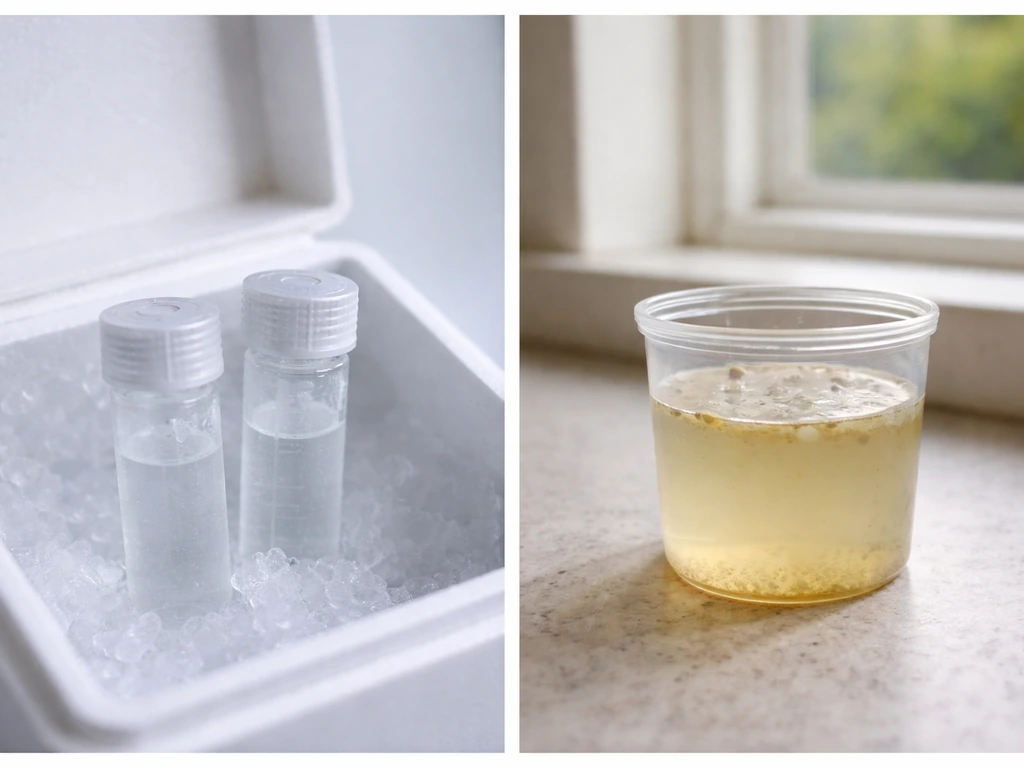
In a microbiology lab, 50% or 80% glycerol is used deliberately to create bacterial freezer stocks. The whole point is that bacteria survive storage without growing. Lab-grade glycerol is autoclaved (heat-sterilized), handled aseptically, mixed with actively growing bacterial cultures, and stored at -80°C. There is no growth happening at any stage of this process because the temperature and concentration are specifically chosen to prevent it.
If you are trying to understand how to revive bacteria from a glycerol stock, that is a separate and very specific process involving plating on nutrient agar under appropriate conditions. To grow bacteria from a glycerol stock, you typically revive the cells by plating or inoculating fresh media under the right temperature and nutrient conditions.
In real-world environments, glycerol behaves quite differently. A bottle of cosmetic-grade glycerin sitting on a bathroom shelf is typically concentrated enough (around 99% pure) to suppress bacterial growth on its own. But diluted glycerol products, such as glycerin-based toners, syrups, or diluted soap formulations, may not reach the concentrations needed to suppress growth.
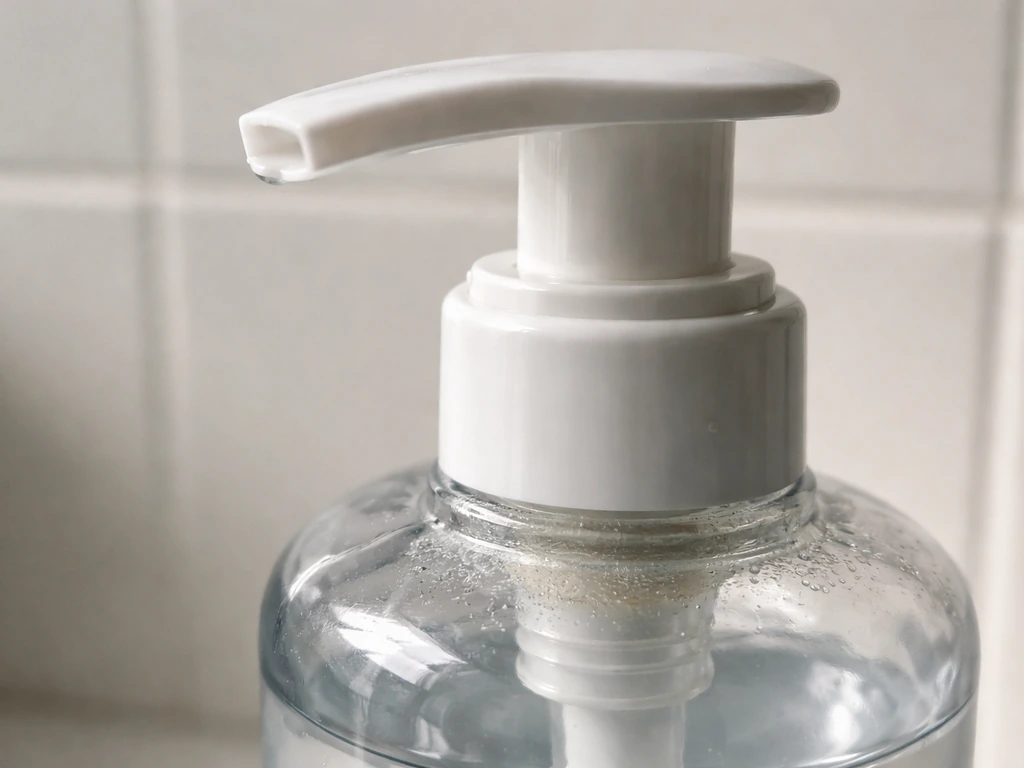
Depending on how much water and nutrients they have, bacteria can sometimes grow in liquid soap pump containers even when the product contains glycerol diluted soap formulations. If those products also contain water, organic compounds, and are stored at room temperature, they can support microbial growth over time. This is why formulated products include preservatives, and it is why contaminated containers matter more than the glycerol itself.
This context also connects to related questions about other glycol-based substances. Propylene glycol, for instance, behaves somewhat similarly to glycerol in its ability to suppress microbial growth at high concentrations through reduced water activity, though the exact inhibitory thresholds differ. Vegetable glycerin (which is simply glycerol derived from plant oils) presents the same biology as pharmaceutical glycerol since the chemistry is identical regardless of source.
| Scenario | Glycerol Concentration | Growth Possible? | Why |
|---|---|---|---|
| Lab freezer stock | 50–80% | No | Low water activity plus -80°C freezing halt metabolism |
| Pure cosmetic glycerin (room temp) | ~99% | No | Extremely low water activity, no available nutrients |
| Diluted glycerol medium (lab, nutrients added) | 1–10% | Yes | Sufficient water activity, glycerol as carbon source, nutrients present |
| Glycerin-based skincare product (diluted, open container) | 5–30% | Possible | Depends on preservative system, contamination, storage temperature |
| Glycerol in water with no other nutrients | 1–10% | Limited | Carbon source available but nitrogen and minerals lacking |
| 50% glycerol at room temperature | 50% | Unlikely | Water activity too low for most bacteria to actively divide |
How to test or troubleshoot this yourself
If you are trying to figure out whether bacteria can grow in a specific glycerol-containing product or solution today, here is a practical framework for thinking through it. You do not need a full lab setup for this reasoning exercise, though some simple tests are within reach of a classroom or home science context.
- Check the concentration first. If a product label lists glycerol (or glycerin) as the first or second ingredient, the concentration is likely high enough to suppress bacterial growth on its own. If it is listed fifth or lower, the concentration is probably not protective.
- Assess the water content. Does the product feel watery? Is it a thin solution rather than a thick syrup? More water means higher water activity and a more hospitable environment for bacteria.
- Look for other nutrients. Does the product contain plant extracts, proteins, sugars, or organic compounds? These provide the nitrogen and carbon that bacteria need beyond what glycerol alone supplies.
- Consider the storage conditions. Room temperature and open containers dramatically increase risk compared to refrigerated and sealed ones. Most bacterial spoilage in real-world products happens because of warm storage and repeated contamination from hands or tools.
- Check the pH if you can. Cheap pH strips work fine for this. A pH below 4 or above 9 in a solution will inhibit most bacteria even at low glycerol concentrations.
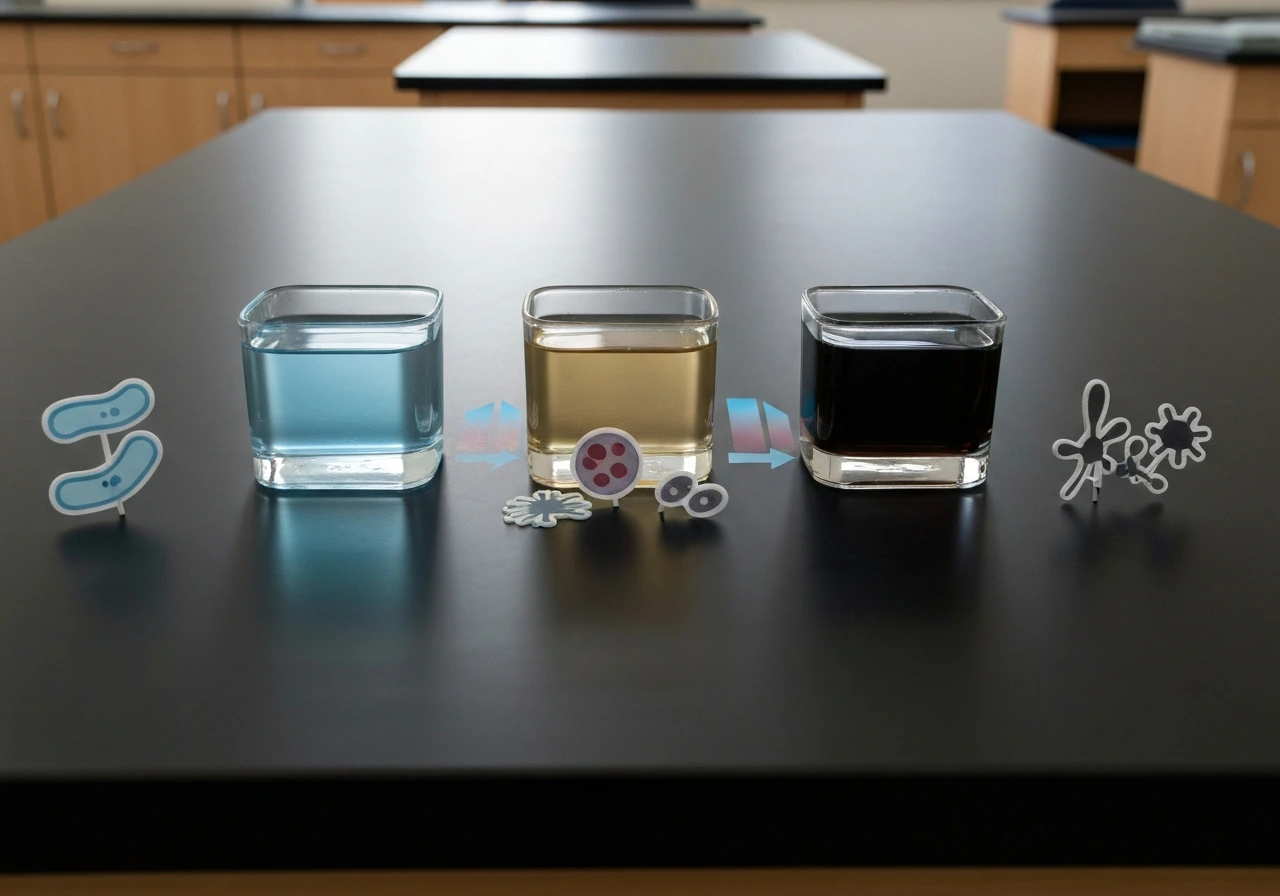
- For a simple classroom test: prepare two setups: one with dilute glycerol (5–10%) in nutrient broth at room temperature, and one with 50% glycerol in nutrient broth at room temperature. Inoculate both with a non-pathogenic lab strain or environmental sample, incubate at ~30°C, and observe turbidity (cloudiness) after 24–48 hours. Turbidity indicates growth. The dilute glycerol tube should turn cloudy; the concentrated one should stay clear. This directly demonstrates the growth-suppression effect.
- Turbidity, color change, or visible biofilm in a glycerol product you are troubleshooting means contamination has occurred and conditions allowed growth. Discard the product and trace back the contamination source (open container, unclean dispenser, water introduction).
Which bacteria are most likely to be involved
Not all bacteria handle glycerol the same way. Species that carry GlpF-type channels and the glycerol kinase or glycerol dehydrogenase pathway are the most likely to exploit dilute glycerol as a carbon source. Common examples include E. coli, Enterococcus species, Klebsiella, and various Bacillus species. In food and cosmetic safety contexts, the species to watch are Pseudomonas (a common contaminant of water-containing products) and mold-associated bacteria that tolerate reduced water activity better than most. Gram-negative bacteria are generally more sensitive to osmotic stress than Gram-positive ones, so at intermediate glycerol concentrations (20–40%), you are more likely to see Gram-positive survivors.
Fungi and yeast deserve a mention here too. They tend to tolerate lower water activity than most bacteria, which means a glycerol product that successfully suppresses bacterial growth might still support fungal or yeast contamination. If you see fuzzy growth or yeasty odors in a glycerol-containing product, the culprit is more likely fungal than bacterial, and the relevant water activity threshold is lower (around aw 0.80 for many molds). This is an important distinction for anyone troubleshooting product spoilage or interpreting contamination results.
The bottom line is that glycerol is not a universal antimicrobial agent. It is a conditional one. At high concentrations it is genuinely protective, working through water activity reduction the same way high sugar or high salt concentrations preserve food. At low concentrations it is a carbon source that can feed microbial growth, not prevent it. Understanding both roles, and keeping the other growth requirements in mind, gives you a complete and accurate picture of what is actually happening in any glycerol-containing system.
FAQ
At what glycerol concentration do bacteria stop growing and only survive?
A practical cutoff is often around 50% glycerol by weight, where water activity drops enough that many bacteria cannot divide. However, the exact threshold varies by species, temperature, and whether other nutrients are present, so some osmotic-tolerant strains may still show very slow growth below that level.
If I see “no growth” in a glycerol solution, does that mean the bacteria are dead?
Not necessarily. High glycerol and reduced water activity can keep cells metabolically suppressed rather than killing them. If you remove glycerol (for example by diluting into fresh nutrient media), dormant cells may resume growth if they were not otherwise damaged.
Can bacteria grow in dilute glycerol if there is no added sugar like glucose?
Yes, for some species that have glycerol uptake and metabolism pathways, glycerol can be the main carbon source even without glucose. The key is that you also need adequate nitrogen, minerals, and suitable temperature and oxygen conditions, and bacteria may still downregulate glycerol use if another preferred carbon source is present.
Why do glycerol stocks used in labs not produce growth after thawing?
They are designed to prevent division during storage by combining glycerol concentration with very low temperature. After thawing, growth depends on what you do next, for example whether you plate onto nutrient agar or inoculate fresh broth, because at that point the glycerol is diluted and cells regain active metabolism.
If glycerol is not fully antimicrobial, can a contaminated glycerol-containing product get worse over time?
It can, especially if glycerol is diluted, if the product contains other organics that supply nutrients, or if the container introduces microbes repeatedly (for example during dispensing). Even with glycerol present, preservatives and good manufacturing or handling practices are what usually keep bioburden from increasing.
Do Gram-positive and Gram-negative bacteria respond the same way to glycerol?
Not exactly. Gram-negative bacteria are often more sensitive to osmotic stress, so intermediate glycerol concentrations (roughly 20% to 40%) may preferentially allow Gram-positive survivors. Still, species-specific tolerance and the presence of compatible-solution nutrients can override this general trend.
Can yeast or mold grow in glycerol solutions even when bacteria do not?
Yes. Yeast and many molds tolerate lower water activity than typical bacteria, so a glycerol level that suppresses bacterial growth may still allow fungal growth. If you observe fuzzy growth or distinct earthy or “yeasty” odors, it points more toward fungi than bacteria.
How can I tell whether the growth problem is osmotic stress versus lack of nutrients?
A useful decision aid is to test two setups: one where you dilute the glycerol into the same nutrient media and one where you match glycerol concentration but provide different nutrients (or remove them). Growth appearing only after dilution usually indicates inhibition by water activity or osmotic stress, while growth without dilution suggests nutrient-driven support.
Can bacteria metabolize glycerol under anaerobic conditions?
Some can, but it depends on whether the organism has the correct anaerobic glycerol metabolism enzymes and electron acceptor systems. Species like Enterococcus can use glycerol anaerobically, so oxygen-free conditions do not automatically rule out glycerol utilization.
Does the source of glycerol (pharmaceutical, vegetable, or food grade) change whether bacteria can grow?
The base chemistry is the same, but impurities and added formulation ingredients can change outcomes. For example, residual sugars, proteins, or water content can provide extra nutrients or raise water activity, making growth more likely even if the glycerol itself would otherwise be inhibitory.