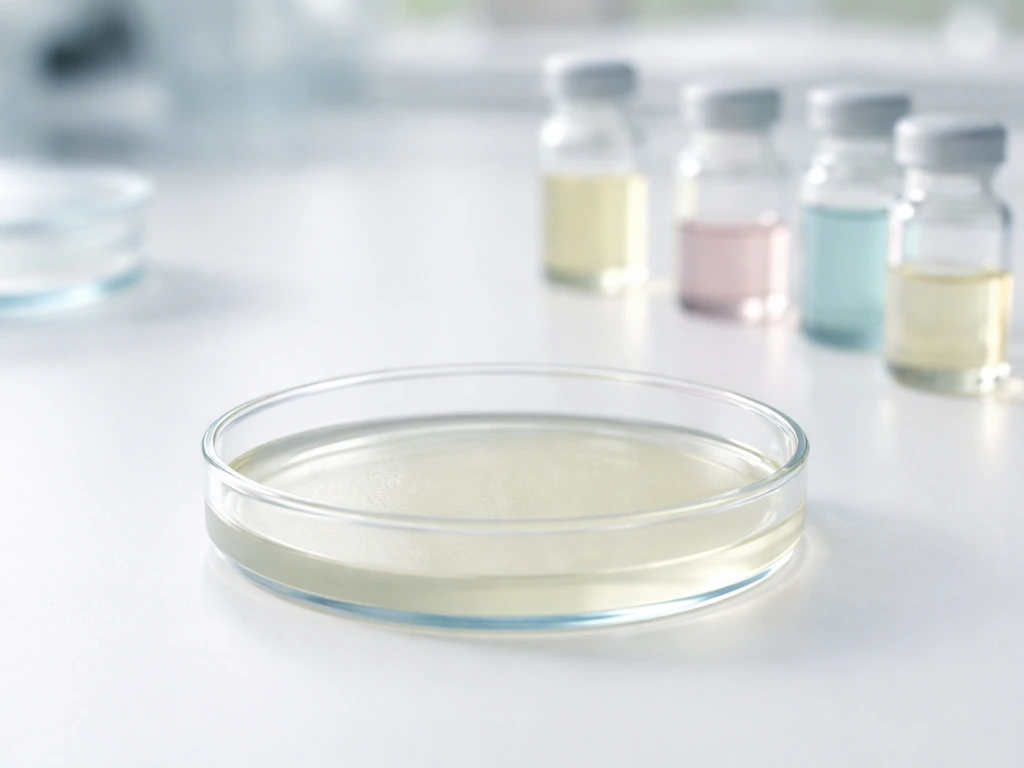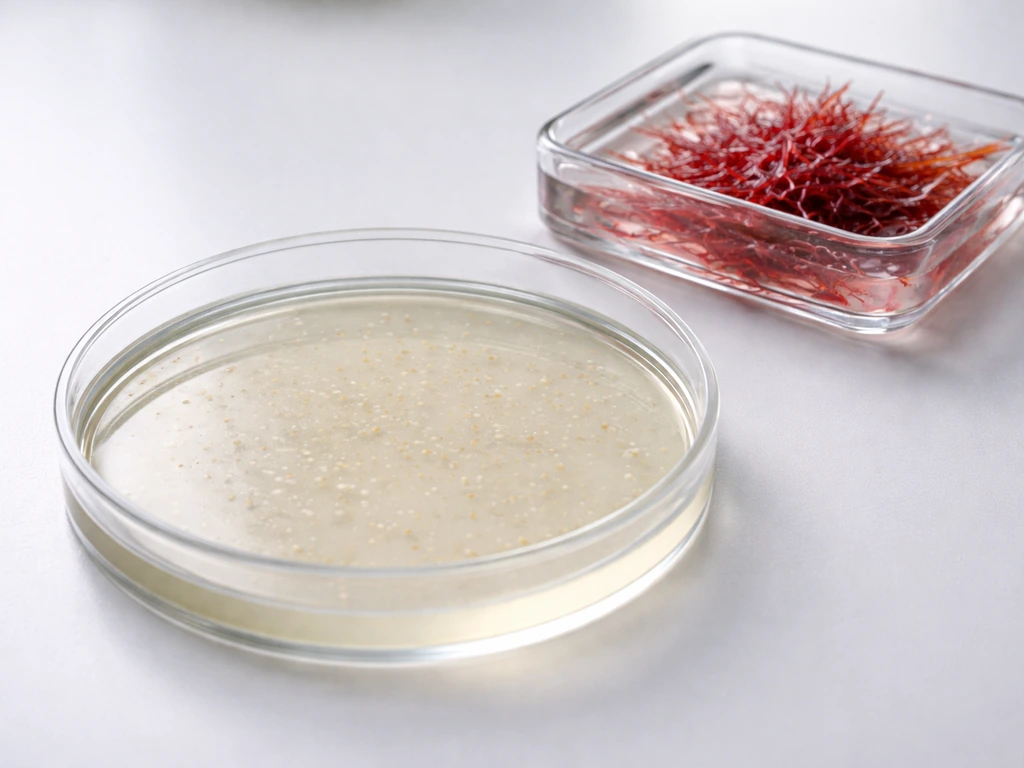
E. coli grows on a wide range of agar media, but your best general-purpose choices are LB agar (Lysogeny Broth agar, also called Luria-Bertani), nutrient agar, and tryptic soy agar (TSA). If you need to pick out E. coli from a mixed sample or confirm its identity presumptively, MacConkey agar and EMB agar (Eosin Methylene Blue) are the classic go-to plates. For more specific color-based identification, chromogenic agars like CHROMagar work well too. Some fungi are commonly grown on fungal growth media such as Sabouraud dextrose agar or potato dextrose agar agar media. The right pick depends on what you're actually trying to do, which is what this guide walks through.
What Agar Does E. coli Grow On? Common Media Guide

Marcus Holloway
2 Jul 2026
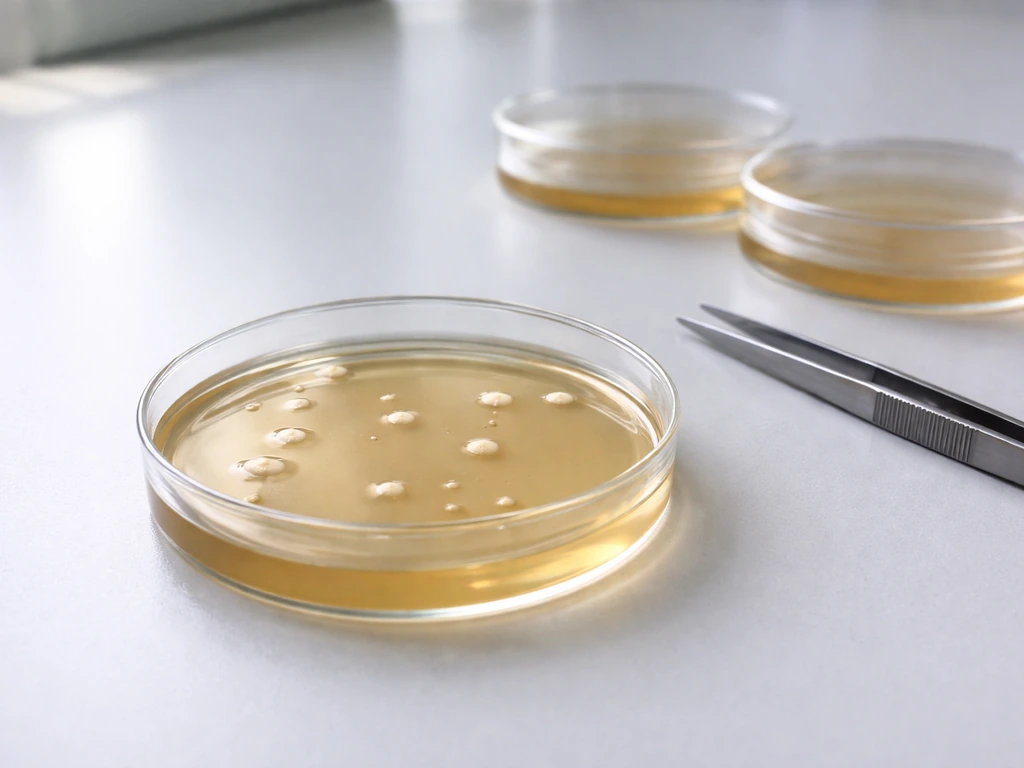
The most common agar media for growing E. coli
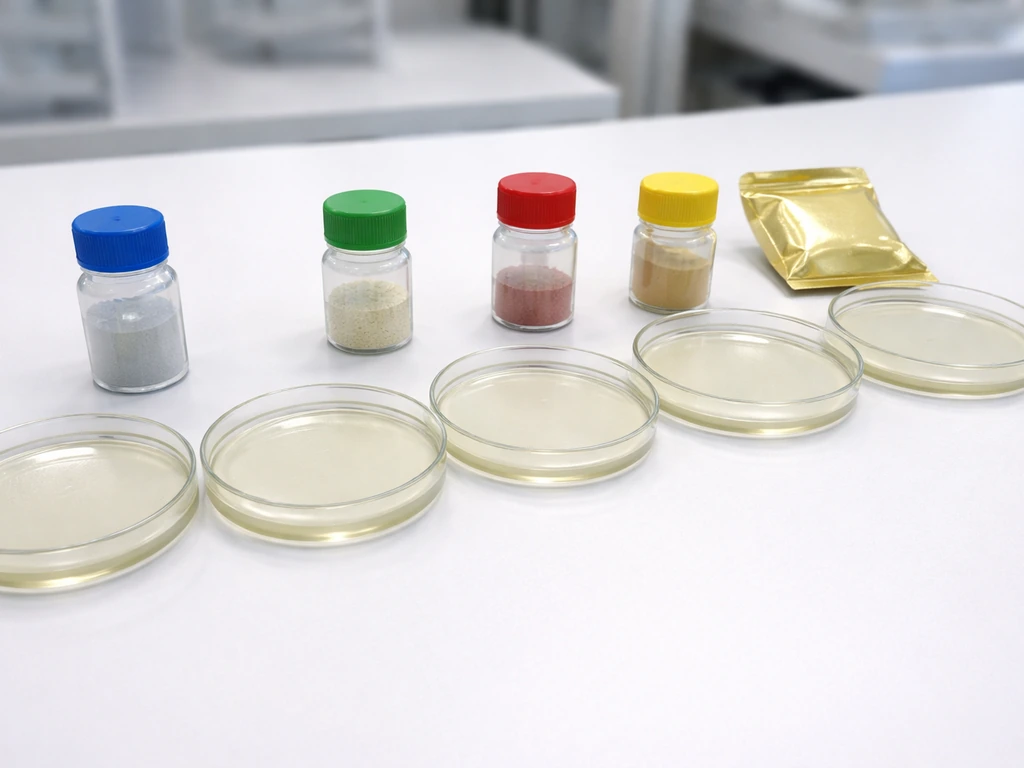
E. coli is a fast-growing, nutritionally undemanding organism, which means it thrives on almost any general-purpose medium. In practice, that nutrient simplicity comes from media that supply key building blocks like carbon, nitrogen, salts, and growth factors nutritionally undemanding. That flexibility is actually part of what makes it such a workhorse in teaching labs and molecular biology research. Here are the main options you'll encounter.
| Agar Medium | Type | Primary Use | Selective/Differential? |
|---|---|---|---|
| LB Agar (Luria-Bertani / Miller) | General purpose | Routine E. coli culture, molecular biology | Neither |
| Nutrient Agar | General purpose | Basic growth and maintenance | Neither |
| Tryptic Soy Agar (TSA) | General purpose | Broad-spectrum growth, teaching labs | Neither |
| MacConkey Agar | Selective + Differential | Isolating enteric Gram-negatives, lactose fermentation ID | Both |
| EMB Agar (Eosin Methylene Blue) | Selective + Differential | Distinguishing E. coli from other Gram-negatives | Both |
| CHROMagar (e.g., CHROMagar Orientation) | Chromogenic / Differential | Color-based presumptive ID of E. coli and other species | Differential |
LB agar is the dominant choice for molecular biology and teaching purposes. ATCC lists Luria-Bertani Broth (and by extension LB agar) as an all-purpose medium for propagation and maintenance of E. coli, and standard product specifications call for aerobic incubation at 35 to 37°C for 24 hours. If you're simply growing E. coli to observe it, confirm a streak, or prepare it for further work, LB agar is hard to beat.
Selective vs. differential agars: understanding the difference
This is a distinction that trips up a lot of students, so it's worth slowing down here. A selective medium suppresses the growth of organisms you don't want while allowing your target to grow. A differential medium lets multiple organisms grow but produces visually different results depending on the organism's biochemistry, usually based on color changes from pH indicators. Some agars, like MacConkey and EMB, are both at once.
MacConkey agar
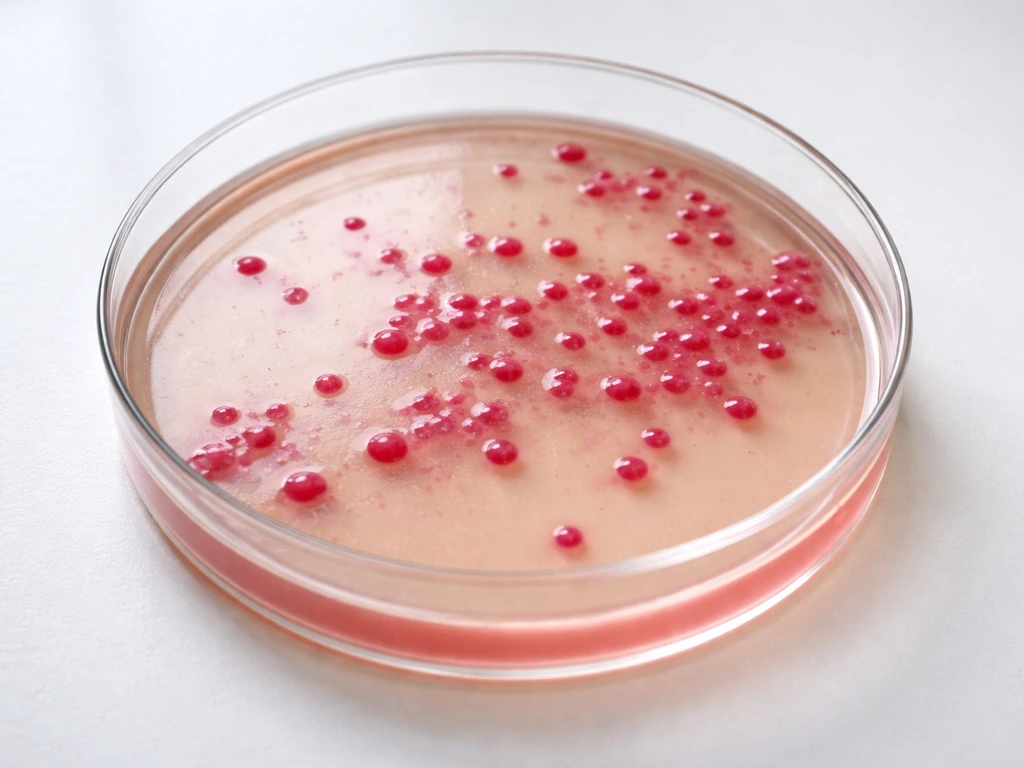
MacConkey agar contains bile salts and crystal violet, which together inhibit most Gram-positive bacteria. This makes it selective: if you plate a mixed environmental sample on MacConkey, most skin flora (Staphylococcus, for example) won't grow. Among the Gram-negatives that do grow, MacConkey differentiates based on lactose fermentation. E. coli ferments lactose rapidly, producing acid that causes the pH indicator in the medium to turn the colonies and surrounding agar a characteristic brick red or pink color. The FDA's Bacteriological Analytical Manual (BAM) lists MacConkey agar as an official medium for standardized enteric workflows, and typical lactose-fermenting colonies appear brick red on these plates. Non-lactose fermenters (like Salmonella) stay colorless or pale.
EMB agar (Eosin Methylene Blue)
EMB is also selective against Gram-positives and differential for lactose fermentation, but it has a particularly striking visual signature for E. coli: a metallic green sheen on the colonies. This sheen develops when E. coli ferments lactose so aggressively that it drives the agar's pH down sharply, causing the eosin and methylene blue dyes to precipitate as a metallic layer on the colony surface. According to ASM's EMB protocol, E. coli produces this dark-centered, metallic-sheen colony while non-lactose fermenters appear pink or colorless. A word of caution though: other organisms that also ferment lactose rapidly can produce a similar sheen, so metallic sheen alone isn't a definitive ID. It's a strong presumptive clue, not a final answer.
Chromogenic agars (CHROMagar)
Chromogenic agars take a more targeted approach by incorporating enzyme-specific substrates that release colored compounds when cleaved by enzymes unique to particular organisms. On CHROMagar Orientation, for example, E. coli colonies typically appear with a distinctive blue coloration due to beta-glucuronidase activity. Results are read after 18 to 24 hours of aerobic incubation at 35 to 37°C. CHROMagar instructions specify aerobic incubation at 35, 37°C for 18, 24 hours for interpreting results CHROMagar instructions specify aerobic incubation at 35–37°C for 18–24 hours. These plates are widely used in clinical and food safety settings where quick, color-coded presumptive identification matters.
Incubation conditions: temperature, oxygen, and time
Getting the agar right is only half the equation. If the incubation conditions are off, your plates won't tell you much. E. coli is mesophilic, meaning it grows optimally at body temperature, which is why 37°C is the standard target. ATCC's culture guide confirms this, noting that most commensal and pathogenic bacterial strains grow best at 37°C. Deviation from this matters: incubating too cool slows growth and can distort fermentation readouts, and FDA BAM documentation notes that control strain behavior can vary with incubation temperature, affecting result interpretation.
E. coli is a facultative anaerobe, which means it can grow both with and without oxygen. However, on standard agar plates, aerobic incubation is the norm and produces the colony characteristics described in most protocols and product inserts. For all the media discussed here, aerobic incubation at 35 to 37°C for 18 to 24 hours is the standard. Some contexts (like watching for slow-growing colonies or performing ATCC strain maintenance) extend incubation to 48 to 72 hours, but for routine classroom work and presumptive ID, 24 hours is your benchmark. If you're wondering how E. coli grows in liquid culture instead of on agar, the growth conditions and oxygen availability can change what you see grow in liquid.
- Temperature: 35 to 37°C (37°C is optimal for most lab and clinical purposes)
- Atmosphere: Aerobic incubation on standard plates
- Time: 18 to 24 hours for initial reading; up to 48 hours for slower growth or confirmation
- Humidity: Plates should be inverted during incubation to prevent condensation from obscuring colonies
What E. coli actually looks like on each plate
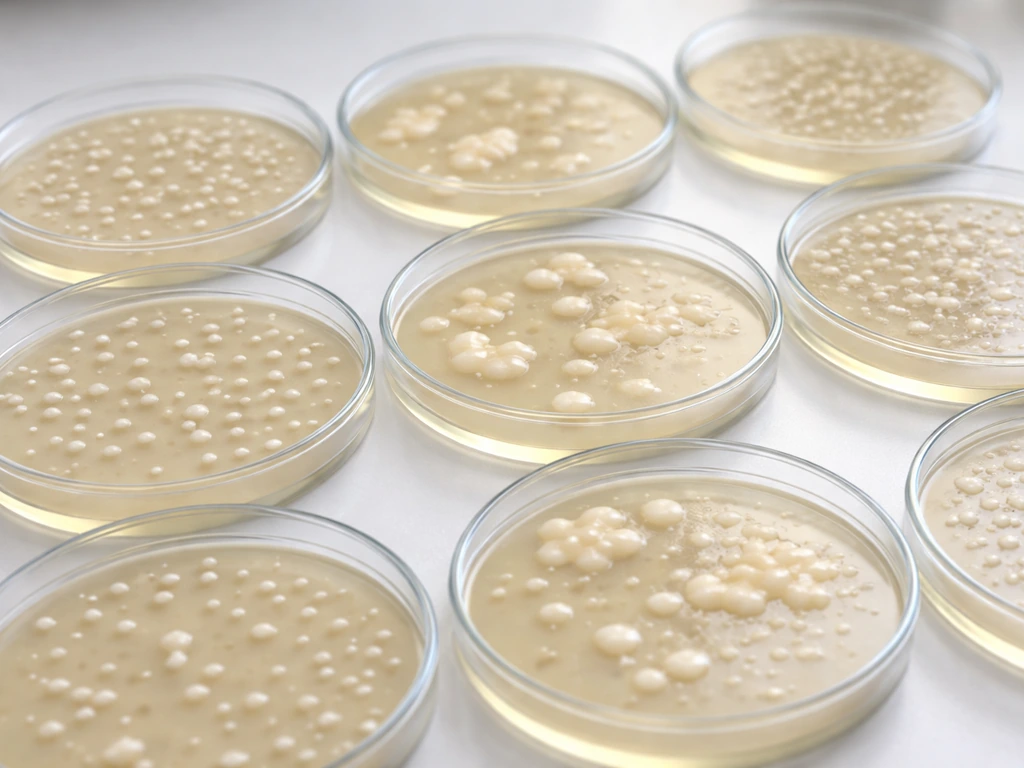
Colony morphology is one of the first interpretive skills you develop in a microbiology lab, and it's genuinely useful for making sense of what's on your plate before you run further tests. Here's what to expect from E. coli on each major medium.
| Agar Medium | E. coli Colony Appearance | Key Visual Feature |
|---|---|---|
| LB Agar | Off-white to cream, smooth, circular, raised edges | No differential color; growth is robust and uniform |
| Nutrient Agar / TSA | Pale cream, circular, low convex | Generic appearance; no differentiation from other Gram-negatives |
| MacConkey Agar | Brick red to pink, flat, surrounded by a precipitate halo | Red/pink color confirms lactose fermentation; bile precipitation visible around colony |
| EMB Agar | Dark centered, flat, with metallic green sheen | Metallic sheen is the signature E. coli feature on this medium |
| CHROMagar Orientation | Blue to blue-green | Color derived from beta-glucuronidase enzymatic activity specific to E. coli |
On general-purpose agars like LB, E. coli looks unremarkable and pretty similar to many other fast-growing bacteria. That's expected and fine if you're culturing a known strain. The diagnostic power comes from MacConkey, EMB, and chromogenic plates, where E. coli's metabolic activity (especially its rapid lactose fermentation and beta-glucuronidase expression) produces visually distinct colonies. The metallic sheen on EMB is one of the most visually striking results in a teaching lab and tends to be memorable the first time you see it.
Choosing the right agar for what you're actually trying to do
The best agar for your situation depends on your goal, not just the organism. Think of it this way: using MacConkey agar to grow a pure E. Potato dextrose agar is different from the specialized selective and differential media discussed here, so it can support bacterial growth depending on the organisms present can bacteria grow on potato dextrose agar. coli culture in a molecular biology workflow is technically fine but adds no benefit. Conversely, using only LB agar when you're trying to confirm whether E. coli is present in a mixed environmental sample means you'll miss the differentiation information those specialized plates provide.
- General growth or maintenance of a known E. coli strain: Use LB agar. It's reliable, widely available, well-characterized, and the standard choice for teaching labs and molecular biology work.
- Isolating E. coli from a mixed Gram-negative sample: Use MacConkey agar. It knocks out Gram-positives and shows you at a glance which colonies ferment lactose.
- Presumptive identification of E. coli based on colony appearance: Use EMB agar. The metallic green sheen is a strong presumptive indicator, though confirmatory tests are still needed.
- Color-based rapid presumptive ID in clinical or food safety contexts: Use a chromogenic agar like CHROMagar. The enzymatic color reactions are more specific and easier to interpret at a glance than dye-based plates.
- Teaching or demonstrating selective and differential media principles: MacConkey and EMB are both excellent teaching tools because the visual contrast between lactose fermenters and non-fermenters is dramatic and easy to explain.
It's also worth knowing that the logic behind these choices applies more broadly. If you've read about why agar is used to grow bacteria at all (its gel stability at incubation temperatures being a key reason), or how E. coli's nutrient requirements shape which media it grows best on, the agar-choice question fits into a larger picture of matching medium chemistry to organism biology. Comparing this to media choices for other organisms is instructive too: Pseudomonas aeruginosa, for instance, also grows on MacConkey but produces very different colony characteristics, which underlines how the same selective medium can serve different purposes depending on what you're hunting for.
Safety, contamination control, and practical next steps
Before you plate anything, a quick note on biosafety that's genuinely important and not just boilerplate. Nonpathogenic laboratory strains of E. coli (like K-12 derivatives) are handled at Biosafety Level 1 (BSL-1), which is appropriate for teaching labs with standard hygiene practices. Some pathogenic E. coli strains require BSL-2 containment with stricter protocols. The CDC's biosafety guidance is clear that containment level depends on both the organism and the procedures involved.
If you are culturing a known, characterized lab strain, follow standard BSL-1 practice: work on a clean, disinfected bench, wear gloves, and autoclave or chemically disinfect all plates and materials before disposal. If your sample comes from an environmental or unknown source, treat it as an unknown biosafety risk. ASM's biosafety guidelines for teaching laboratories explicitly warn that culturing unknown environmental samples is unsafe because the identity and risk group of the organisms are unknown. Once colonies grow, the risk profile changes because you now have a cultured, amplified population rather than trace amounts in the original sample.
For contamination control on your plates, a few practical habits make a real difference. Always streak plates in a clean workspace, flame your loop or use sterile disposable loops between quadrants, invert plates during incubation to prevent condensation drip from distorting colony morphology, and don't open plates unnecessarily once colonies have grown. If you see unexpected colony types on MacConkey or EMB (different colors, unusual morphology), treat them as mixed culture contaminants until proven otherwise.
Your practical next steps depend on your goal. If you're in a teaching lab confirming a known E. coli strain, streak LB agar and MacConkey agar in parallel, incubate at 37°C for 24 hours aerobically, and compare results. The LB plate gives you a growth confirmation and general morphology, while the MacConkey plate gives you the lactose fermentation readout. If your goal is identification from a food or environmental sample, follow an established workflow (FDA BAM Chapter 4 provides the standardized framework for E. Pseudomonas aeruginosa, in contrast, grows on different media depending on whether you need a selective or differential approach E. coli. coli and coliform enumeration, including medium use and incubation parameters). Never attempt to culture organisms from clinical samples, body fluids, or high-risk food sources in a teaching setting without appropriate BSL-2 facilities and training.
FAQ
Can I grow E. coli on any agar, or are some agars not suitable?
E. coli usually grows on most general-purpose, nutrient-rich agars, but it may not grow well on media designed for unrelated organisms (for example, some fungal-focused or very low-nutrient formulations). If you are unsure, start with LB, nutrient agar, or TSA, then switch to selective or chromogenic plates only if you need differentiation.
What agar should I use if I only have one plate and the sample might contain other bacteria?
Use MacConkey or EMB if your main goal is presumptive detection among mixed Gram-negative flora. LB alone confirms growth but does not reliably differentiate E. coli from other fast growers; the lactose fermentation patterns are the key extra signal on MacConkey and EMB.
Why might E. coli colonies look different than expected on MacConkey or EMB?
Different incubation times, temperatures, or overly crowded streaking can alter colony color intensity and sheen development. Also, some non-E. coli lactose fermenters can produce similar results, so unexpected appearances should be treated as “presumptive only” until confirmed with additional tests.
Is metallic green sheen on EMB always specific to E. coli?
No. The metallic sheen strongly suggests E. coli because of intense lactose fermentation, but other organisms that ferment lactose rapidly can also produce look-alike colonies. Treat sheen as a prompt to run confirmatory identification rather than as a final answer.
How long should I incubate E. coli plates to get reliable colony characteristics?
A common benchmark is 18 to 24 hours aerobically at 35 to 37°C. If you incubate much longer (for example 48 to 72 hours), some colonies may change in appearance, making differentiation cues less crisp.
Can E. coli grow anaerobically on agar plates?
Yes, E. coli can grow as a facultative anaerobe, but most colony appearance schemes for these agars assume aerobic incubation. If you intentionally incubate anaerobically, expect the usual lactose fermentation-based color cues to shift and be less comparable to standard expectations.
What if no colonies appear on a plate that should support E. coli growth?
First check the incubation temperature (E. coli typically performs best around 37°C), then confirm the plate age and that the agar was prepared correctly and not dried out. Also consider whether the sample truly contains viable E. coli, since stressed cells may take longer than your planned incubation window.
Can E. coli be grown on fungal media like Sabouraud dextrose or potato dextrose agar?
It can sometimes grow if the medium is not strongly inhibitory, but those media are primarily formulated for fungi and may not provide optimal conditions for consistent E. coli colony characteristics. For bacterial work, use bacterial standard media (LB, nutrient agar, TSA) rather than fungal-focused formulations.
Do I need a selective and differential medium if I’m culturing a known lab strain?
Not usually. If you already have a characterized strain and just need propagation or maintenance, LB (or nutrient agar/TSA) is typically sufficient. Selective or differential plates are most valuable when distinguishing E. coli from other organisms in a mixed sample.
Which agar is best for confirming E. coli from an environmental or food sample?
A practical approach is to pair a general growth plate (such as LB) with a presumptive-differentiation plate (MacConkey or EMB, or a chromogenic plate if available). This helps you avoid false negatives from relying on only one medium, and it gives you clearer comparison across colony patterns.
What are common contamination mistakes that ruin colony interpretation?
Avoid opening plates unnecessarily, streak with sterile technique between quadrants, and incubate plates inverted to reduce condensation drips that can spread colonies. If MacConkey or EMB shows multiple distinct colony types, assume mixed culture and proceed with isolation or confirmatory testing rather than picking a single “typical” colony.
Is chromogenic CHROMagar always the quickest path to presumptive ID?
It can be fast and convenient because it translates certain enzyme activities into color, but it still relies on standard incubation conditions and correct interpretation rules for that specific brand. If colors are weak or mixed, you may need to subculture to obtain well-isolated colonies before concluding presumptive identification.
Can I use only one agar for coliform screening, or should I follow a full workflow?
For screening, one plate can give a rough idea, but standardized enumeration and confirmation workflows often use specific media combinations and incubation parameters. If your result has to be defensible, follow a validated workflow and include confirmatory steps beyond “growth plus color” on a single agar.