Yeast needs five things to grow: a food source (fermentable sugars), the right temperature (ideally 25–35°C), a slightly acidic pH (roughly 4.0–6.0), enough available water (water activity above 0.95), and access to oxygen or the ability to switch to fermentation without it. Get all five right and yeast grows fast and reliably. Miss even one and growth stalls or stops completely. Here is exactly how each condition works and why it matters.
What Does Yeast Need to Grow? Key Conditions Checklist

Marcus Holloway
27 Apr 2026
The three core requirements for yeast growth
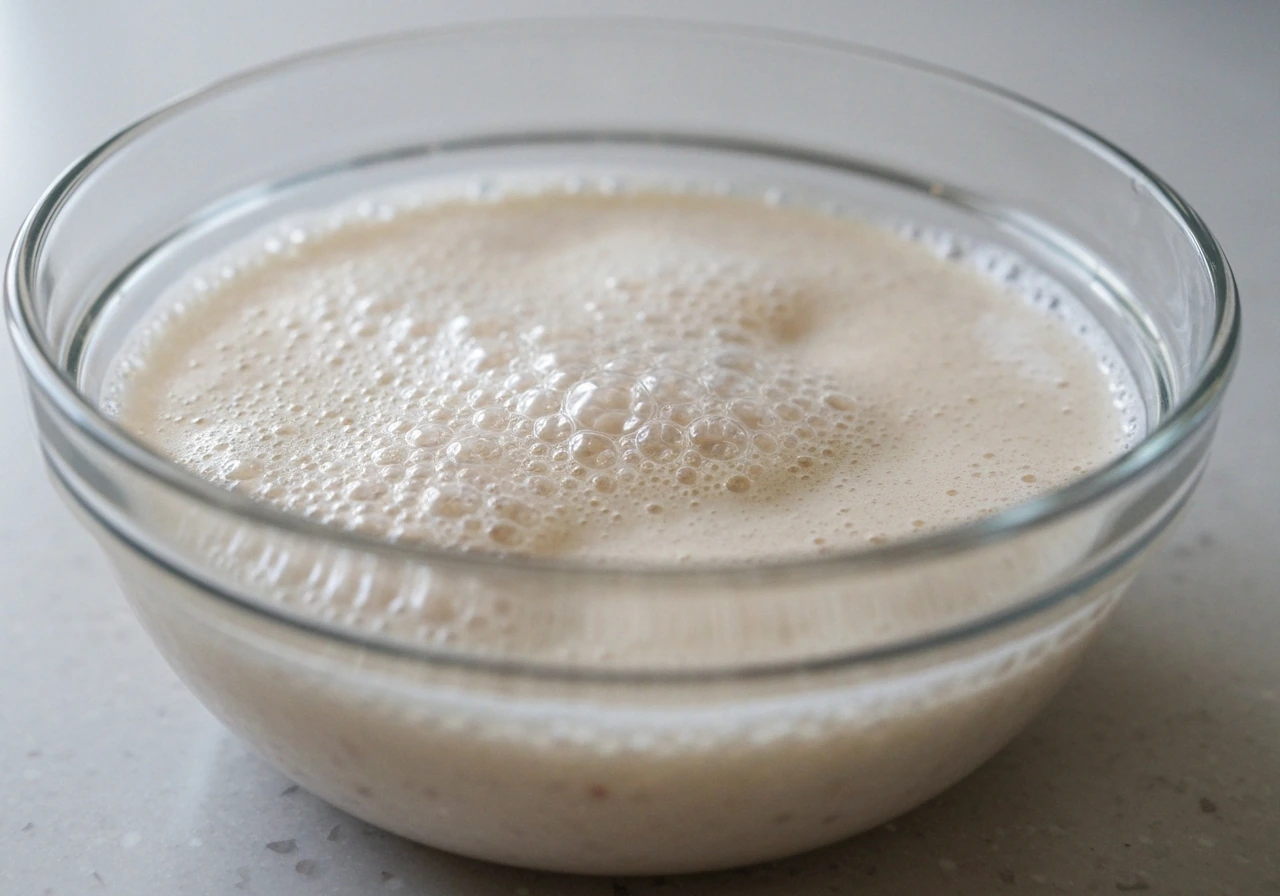
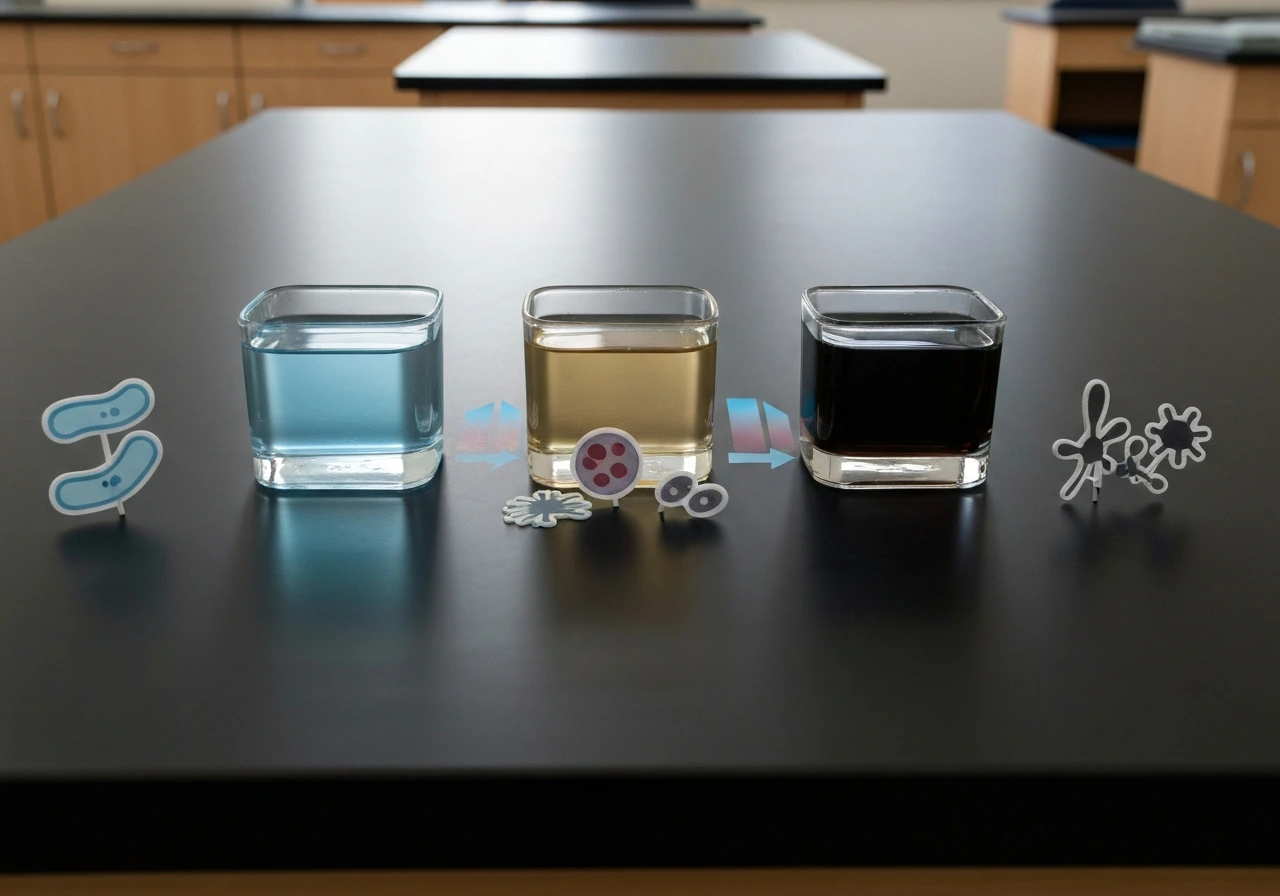
Before getting into the details of temperature or pH, it helps to understand what yeast is actually trying to do: grow, divide, and generate energy. To do any of that, it needs three things in place at a fundamental level. Think of these as the non-negotiables.
- A usable energy source: Yeast runs on fermentable carbohydrates, primarily simple sugars like glucose and fructose. Without something to metabolize, the cell has no fuel to divide or maintain itself.
- A permissive environment: Temperature, pH, and water availability must all fall within ranges the yeast cell can tolerate. Outside those ranges, enzymes stop working and cellular machinery shuts down.
- A growth-compatible oxygen situation: Yeast can respire aerobically (with oxygen) or ferment anaerobically (without it), but transitioning between modes has real consequences for how fast it grows and what it produces.
These three pillars connect to every condition discussed below. When yeast fails to grow, the cause almost always traces back to one of these three being compromised. The sibling topic covering what 3 things are needed for yeast to grow digs deeper into this framework if you want a focused breakdown.
Key growth conditions: temperature, pH, and moisture
Temperature
Yeast is biologically active across a surprisingly wide range, roughly 0°C to 50°C, but that range is misleading if you take it to mean yeast grows equally well across it. The sweet spot for most Saccharomyces cerevisiae strains (the species behind bread, beer, and wine) is 25–35°C, which lines up with research showing optimum growth temperatures of 29–35°C across 13 industrial strains. At those temperatures, specific growth rates hit roughly 0.30–0.46 h⁻¹, meaning the population can nearly double in a couple of hours under good conditions.
Cold slows growth significantly. Below about 15°C, yeast metabolism crawls. This is actually useful in refrigeration (it keeps bread dough from over-proofing overnight), but it is terrible if you are trying to activate yeast quickly. Heat is more immediately dangerous. Above 40°C, growth starts to decline, and past about 50°C, most strains die. One study found that yeast pre-grown at 30°C had only about 10% survival after just 5 minutes at 52°C. If you are blooming dry active yeast, the recommended water temperature is 41–46°C (105–115°F), which is warm enough to activate but not hot enough to kill.
pH
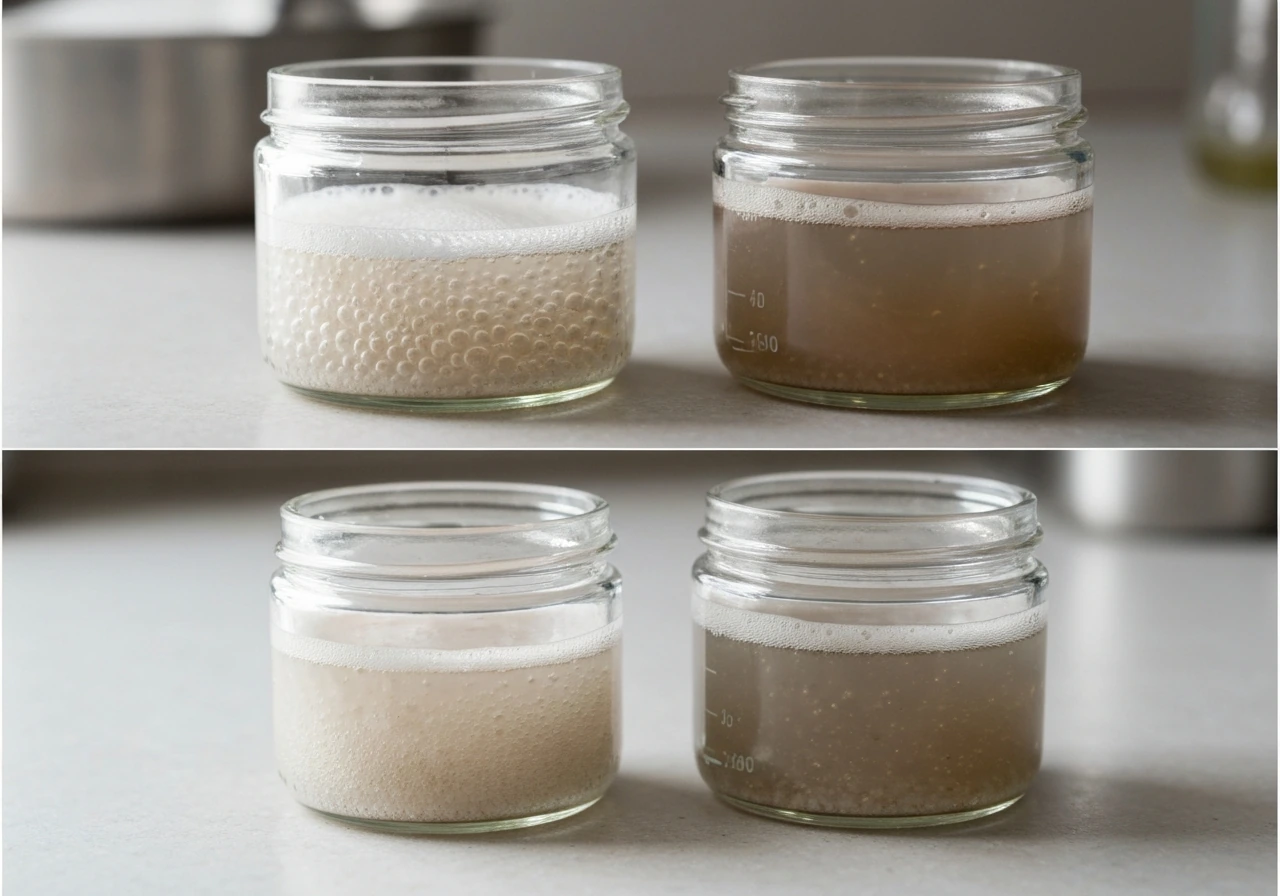
Yeast prefers mildly acidic conditions. The optimal pH range is 4.0–6.0, and growth holds up reasonably well across this window. Below pH 4.0, growth slows noticeably due to acid stress on the cell membrane and internal pH regulation. Above pH 8.0, S. cerevisiae essentially stops growing altogether. The practical takeaway: yeast thrives in environments like grape juice, bread dough, or wort, all of which tend to fall naturally in the 4–6 range. Strongly alkaline environments, like soapy water or high-pH cleaning solutions, are genuinely hostile to yeast.
Moisture and water activity
Water activity (aw) is a measure of how much free, unbound water is available in an environment. It runs on a scale from 0 to 1, where pure water is 1.0. Yeast needs a water activity above 0.95 to grow reliably, which is the threshold FDA guidance identifies for supporting bacterial, yeast, and mold growth in foods. When salt or sugar is dissolved in water, it binds free water molecules and pulls the aw down. This is why a very sweet dough or a heavily salted brine inhibits yeast: there is not enough free water for the cell to take up. The effect is osmotic stress, where the cell actually loses water to the surrounding environment, causing cytoplasmic solute concentrations to spike and cellular activity to arrest. High-sugar doughs are a classic real-world example of this, and bakers working with enriched doughs often use osmotolerant yeast strains specifically because of it.
What yeast actually eats: nutrients and food sources
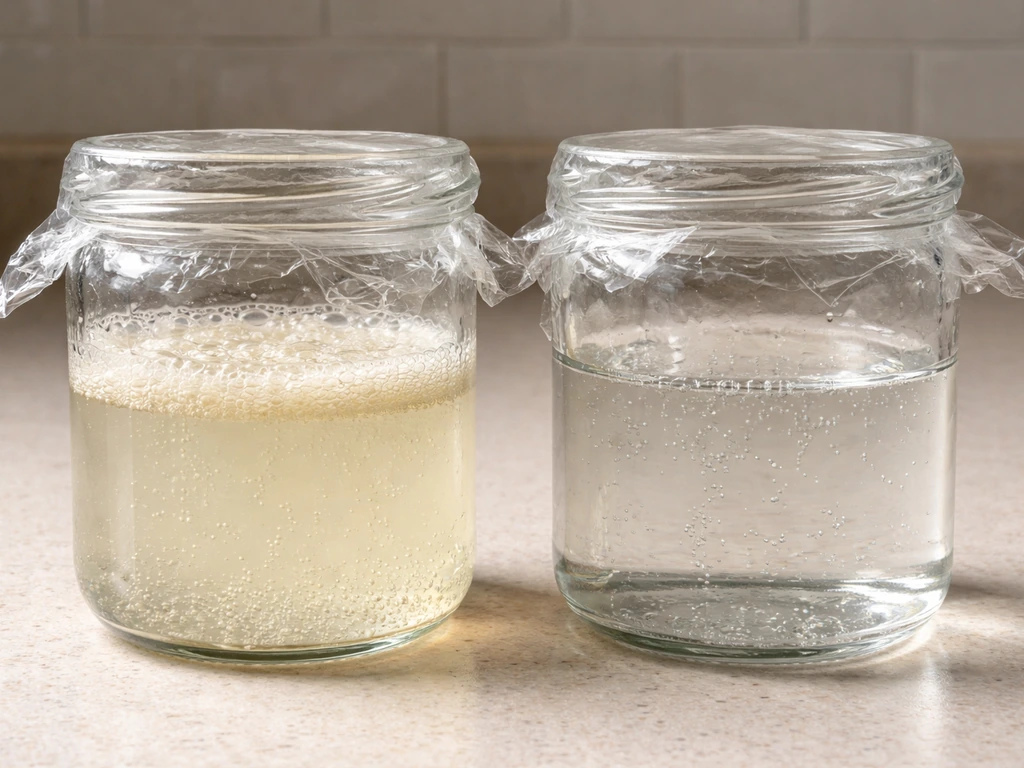
The primary food source for yeast is fermentable carbohydrates, particularly glucose, fructose, sucrose, and maltose. Glucose is the most directly usable. Yeast breaks it down through glycolysis and either feeds the products into aerobic respiration (with oxygen) or converts them to ethanol and carbon dioxide (without oxygen). Either way, the sugar is the fuel.
Beyond sugars, yeast also needs nitrogen (usually from amino acids or ammonium ions), vitamins, and trace minerals. Vitamins function as enzyme cofactors, and specific ones like biotin and thiamine are directly tied to fermentation performance. Under anaerobic conditions, yeast also needs access to sterols (like ergosterol) and unsaturated fatty acids to maintain cell membrane integrity. A PubMed record on oxygen addition and sterol synthesis in Saccharomyces cerevisiae during enological fermentation reports that under anaerobic conditions yeast growth normally requires oxygen to favor sterol and unsaturated fatty acid synthesis needs access to sterols (like ergosterol) and unsaturated fatty acids to maintain cell membrane integrity. It can synthesize both aerobically, but without oxygen, it cannot make them and needs to import them from the environment. This is one reason why a small amount of oxygen is often deliberately introduced at the start of anaerobic fermentations: it gives yeast a chance to synthesize enough membrane components to sustain healthy fermentative growth afterward.
Oxygen vs no oxygen: how it changes what yeast does
Yeast is a facultative anaerobe, meaning it can operate with or without oxygen, but the two modes produce very different outcomes. With oxygen (aerobic conditions), yeast favors respiratory growth: it burns sugars completely through the citric acid cycle, generates more energy per glucose molecule, and grows faster. Without oxygen (anaerobic conditions), yeast switches to fermentation: it converts sugars to ethanol and CO2, produces less energy, and grows more slowly. For bread baking, the CO2 is the point (it raises the dough). For brewing, the ethanol is the point. For a biology student observing yeast in a test tube, the difference in growth rate between aerobic and anaerobic conditions is one of the most instructive things you can measure.
One important nuance: even in anaerobic fermentation, small amounts of oxygen still play a role. Research on wine fermentations shows that trace oxygen consumption affects fermentation kinetics, largely because it supports membrane sterol and lipid maintenance. Completely eliminating oxygen at the start of anaerobic growth in minimal media can actually prevent yeast from initiating growth at all, unless the medium is supplemented with sterols and unsaturated fatty acids. This is a subtlety that often gets glossed over, but it explains why pure anaerobic conditions are harder to maintain in practice than they look on paper.
| Condition | Aerobic growth | Anaerobic (fermentative) growth |
|---|---|---|
| Oxygen required | Yes | No (but trace O2 can help initiation) |
| Main products | CO2, water, biomass | Ethanol, CO2, less biomass |
| Energy yield per glucose | Higher | Lower |
| Growth rate | Faster | Slower |
| Membrane sterol synthesis | Self-sufficient | Requires external sterols or O2 at start |
| Typical application | Propagating/proofing yeast | Bread rising, beer/wine fermentation |
Best conditions checklist for fast yeast activity
If you want to get yeast moving quickly, whether you are proofing a packet of dry yeast, running a classroom experiment, or troubleshooting a fermentation, here is the practical checklist to work through.
- Temperature: Hold the environment at 25–35°C. For activating dry active yeast, use water at 41–46°C (105–115°F) and let the mixture sit for 5–10 minutes. A proofing oven or warm spot (like on top of a warm appliance) works for dough.
- pH: Aim for 4.0–6.0. If you are doing a lab test with water, add a small amount of acid (like dilute lemon juice or vinegar) to bring the pH down from neutral. Plain tap water at pH 7–8 is workable but not optimal.
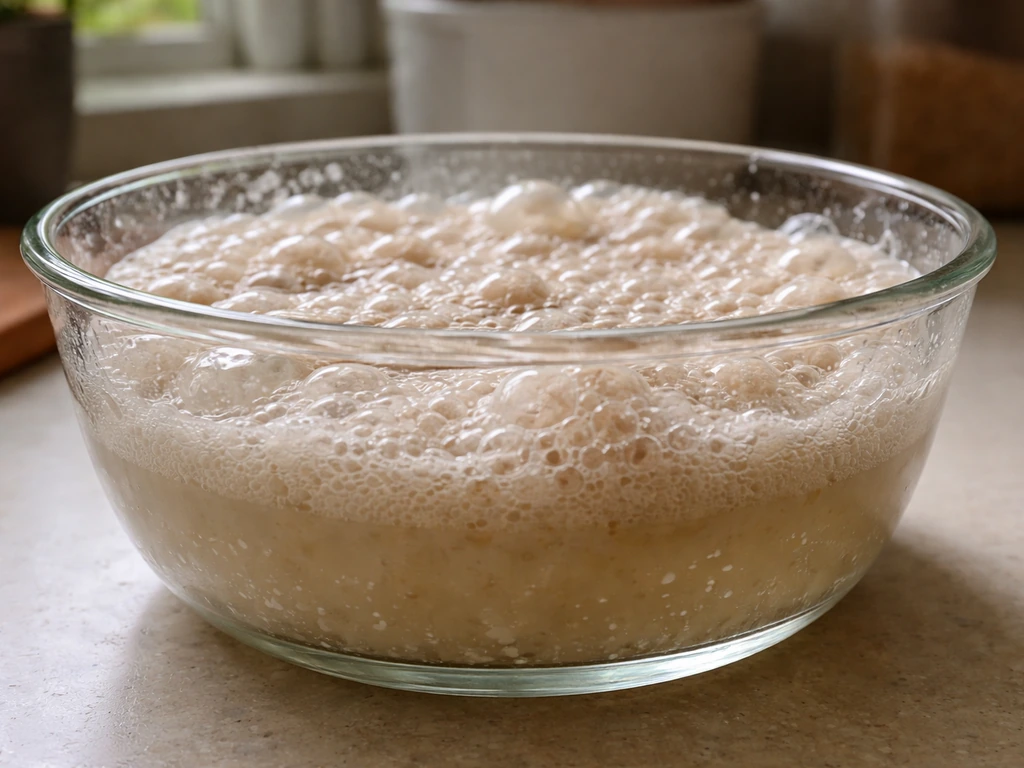
- Sugar/food source: Add a fermentable sugar. One teaspoon of sugar per cup of warm water is a standard proof test. Glucose or sucrose both work. No sugar means no visible activity.
- Water availability: Make sure the solution is not oversaturated with sugar or salt. A standard 5–10% sugar solution is fine. Above roughly 30–40% dissolved sugar, osmotic stress becomes a real inhibitor.
- Oxygen: For fastest initial growth and CO2 production, leave the mixture exposed to air briefly before sealing. For fermentation-focused experiments, seal after the initial aerobic phase.
- Yeast viability: Use yeast that is within its expiration date and has been stored correctly (dry, cool, sealed). Stale or heat-damaged yeast is the most common silent failure point.
Why yeast sometimes won't grow: common failures and fixes
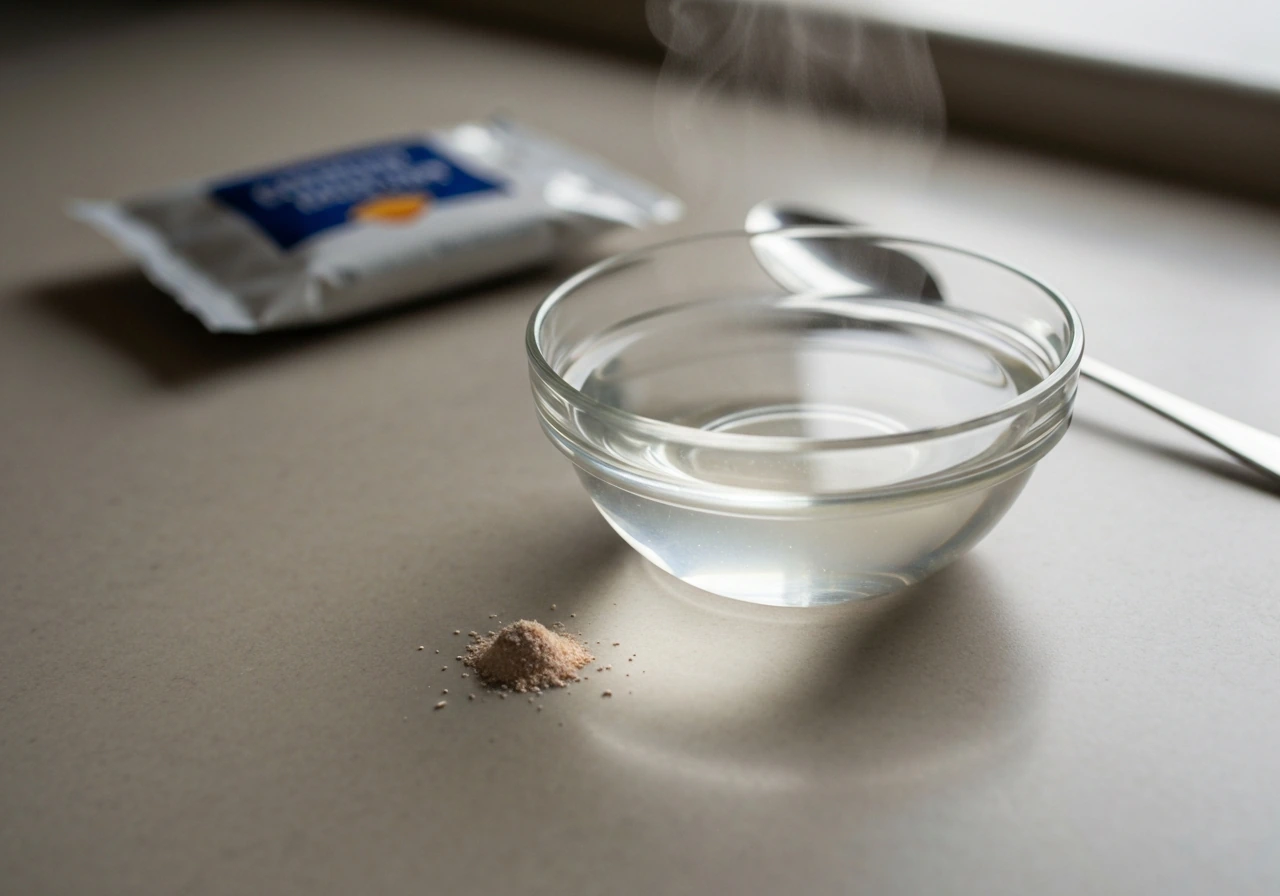
When yeast fails to activate or grow, it is almost always one of a short list of causes. Here is how to diagnose and fix each one.
| Problem | What is happening biologically | Fix |
|---|---|---|
| Water too hot | Protein denaturation kills cells; viability drops sharply above 40–45°C | Use a thermometer; target 41–46°C for activation, never above 50°C |
| Water too cold | Enzyme activity is too slow; cells are metabolically dormant | Warm to at least 20–25°C before expecting visible activity |
| pH too high or too low | Enzymatic function impaired; membrane integrity stressed outside pH 4–8 range | Check pH; buffer toward 4.0–6.0 with mild acid or use a properly formulated medium |
| No fermentable sugar | Yeast has no energy source; cannot grow or produce CO2 | Add glucose, sucrose, or another fermentable carbohydrate |
| Too much sugar or salt | Osmotic stress pulls water out of cells; fermentative capacity drops sharply | Reduce concentration; use osmotolerant strains for high-sugar applications |
| Inactive or dead yeast | Old, improperly stored, or heat-killed yeast has no viable cells to grow | Test yeast in warm sugary water first; replace if no bubbling within 10 minutes |
| Completely anaerobic conditions without sterols | Yeast cannot synthesize membrane sterols without oxygen; growth initiation fails | Allow brief aerobic phase or supplement medium with ergosterol and unsaturated fatty acids |
One thing worth emphasizing: these conditions are not independent. A yeast culture at the edge of an acceptable temperature range will be more sensitive to a pH that is slightly off. A high-sugar environment that is already causing osmotic stress will tolerate heat even less well. This is why the most reliable approach is to nail the core conditions together rather than optimizing one while ignoring the others. The topic of what 4 things yeast needs to grow is a good companion read for tying these variables together more tightly, and the deep dive into optimal temperature for yeast growth is worth checking if temperature is your specific sticking point. If temperature is your specific sticking point, also review at what temperature does yeast grow best to confirm the optimum range for your strain and setup optimized one while ignoring the others.
The underlying principle is simple: yeast is a living organism running on chemistry. Every condition you control either supports or disrupts the enzymes, membranes, and metabolic pathways keeping it alive. Get the five variables (food, temperature, pH, water activity, oxygen) into their comfortable ranges at the same time, and yeast will do exactly what it is supposed to do. What does chaeto need to grow depends on matching its key environmental variables, not just one factor at a time five variables.
FAQ
Can yeast grow in plain flour or do I need sugar added?
Yes, but only if the food is fermentable and the yeast is viable. In practice, flour contains starch, which is not directly fermentable for most baker’s yeast, so you usually need conversion to sugars (for example, via diastatic malt, long fermentation, or enzymes) before growth can really take off.
What water temperature is safest when activating yeast for bread?
For most baking, you generally want the liquid warm enough to activate the yeast without killing it, but not so hot that you exceed the strain’s survival limit. A common mistake is using near-boiling water, which can destroy cells before fermentation starts.
Why does yeast sometimes fail in “clean” containers or with tap water?
If pH is too high or too low, yeast activity drops even if temperature and water are in range. For example, strong cleaning chemicals and soapy residues can be surprisingly hostile because they shift pH and can also add osmotic stress.
How does salt affect yeast growth, and what can I change if my dough is stalled?
Salt reduces yeast growth by lowering water activity and creating osmotic stress. If your dough has a lot of salt, you may need to adjust fermentation time and consider more osmotolerant yeast, because standard yeast often stalls sooner in high-salt recipes.
Can yeast grow without sugar if it already has nutrients?
Not automatically. If there is no fermentable sugar, yeast can be present but won’t produce much gas or ethanol, so it may not look like it is “growing.” In sugar-limited mixtures, yeast may only show slow metabolic activity or a lag before measurable fermentation.
Why might yeast foam late even when temperature and pH seem right?
Yeast needs nitrogen and cofactors, but adding “more yeast” is not always the fix. If nitrogen or vitamins are missing, growth can remain limited and you can get weak fermentation. In bread dough, flour usually provides enough nitrogenous compounds, but in minimal lab media you may need a complete nutrient supplement.
Does oxygen ever matter if I’m doing a fermentation without air exposure?
Oxygen changes the pathway. In anaerobic fermentation, yeast still benefits from trace oxygen early on because it needs sterols and unsaturated fatty acids for membrane health. A sealed system with zero oxygen can delay or prevent growth in minimal setups unless those lipids are supplied.
How can I tell if my yeast is dead versus just struggling with the recipe conditions?
Dry yeast can lose viability if stored too warm or too long, but it can also be “alive” yet not show activity if water activity or temperature is wrong. A useful check is to bloom a small amount in an appropriate warm, sugary solution and see whether it foams within a reasonable time.
Is the 25 to 35°C sweet spot universal for all yeast strains?
Yeast can grow across a wide temperature span, but performance is strain-dependent. Some strains tolerate cold better for slow fermentation, while others are optimized for warm, fast fermentations, so “ideal” ranges can shift a few degrees based on what you’re using.
Why does changing only one condition sometimes still result in no growth?
Yes, because the five variables interact. If temperature is slightly high, that can increase sensitivity to pH drift or osmotic stress, causing a faster collapse of fermentation than you would expect from changing one factor alone.