Yeast grows by budding: a parent cell develops a small protrusion, the bud enlarges, and eventually pinches off as a new daughter cell. That process accelerates or stalls depending on five core conditions: temperature, pH, water availability, nutrient supply, and oxygen. Get those conditions right and yeast multiplies fast. Get even one of them wrong and growth slows dramatically or stops entirely. If you are wondering whether you can grow your own yeast at home, the same temperature, pH, water activity, nutrients, and oxygen rules apply can i grow my own yeast.
How Does Yeast Grow Where It Thrives and Why

Marcus Holloway
23 Apr 2026
What 'yeast growth' actually means biologically
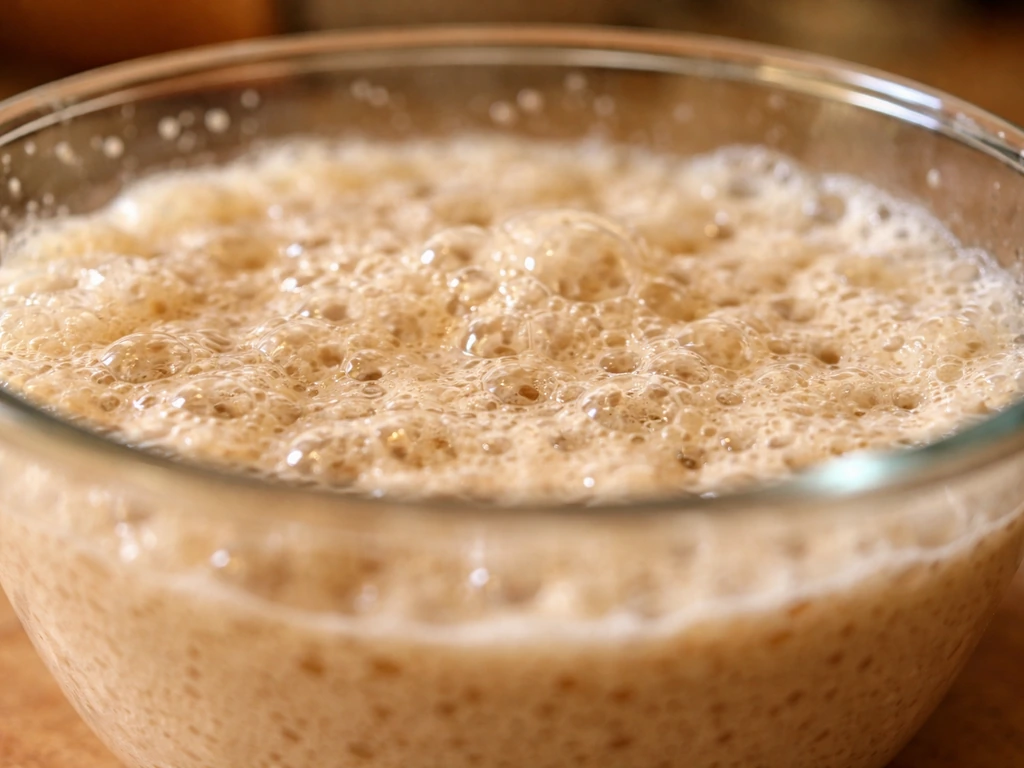
Yeast is a single-celled fungus, and its growth is not like a plant putting out roots. Growth here means an increase in cell number through budding and an increase in cell mass. Researchers can literally watch it happen under an optical microscope, tracking individual budding phases and measuring mass changes in single cells. At a population level, scientists measure growth by turbidity (how cloudy a liquid gets as cells multiply) or by counting colony-forming units (CFU) on agar plates, with active growth typically registering above 10^7 CFU/mL and inhibited cultures falling below 10^3 to 10^5 CFU/mL. If you are working with selective media like MacConkey agar, you can also consider how yeast shows up on agar plates as colonies colony-forming units (CFU) on agar plates. So when people say yeast 'isn't growing,' they usually mean one of two things: the budding rate has dropped to near zero, or the population isn't increasing fast enough to detect. Both happen for the same biological reason: the environment has put the brakes on metabolism.
Where yeast naturally shows up in the world
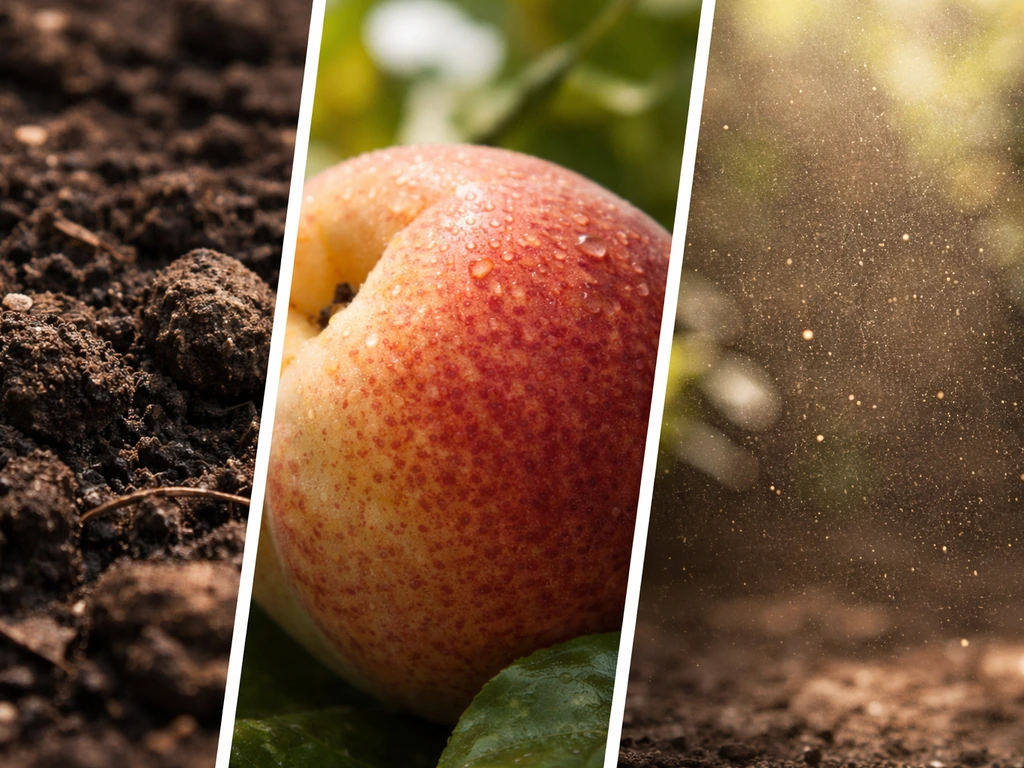
Yeast is everywhere, and that is not an exaggeration. It lives in soil, on plant surfaces, on the skins of fruit, in the digestive tracts of insects, and floating in air currents. Torulaspora delbrueckii, for example, colonizes environments ranging from soils to fruits to insects, illustrating just how broad yeast's natural range is. In vineyard environments, multiple yeast genera arrive via air, birds, and insects, which is why wild fermentation can happen spontaneously on freshly crushed grapes. Non-Saccharomyces species like Brettanomyces, Candida, and others are all part of that wild community. When fruit decays, yeast species from soil and fruit skins can dominate the fungal succession, essentially taking over as conditions shift toward their preferences. The key point here is that yeast doesn't need a lab or a kitchen to grow; it colonizes wherever warm, moist, sugar-rich surfaces exist in nature.
The conditions where yeast grows best
Temperature: the single biggest lever
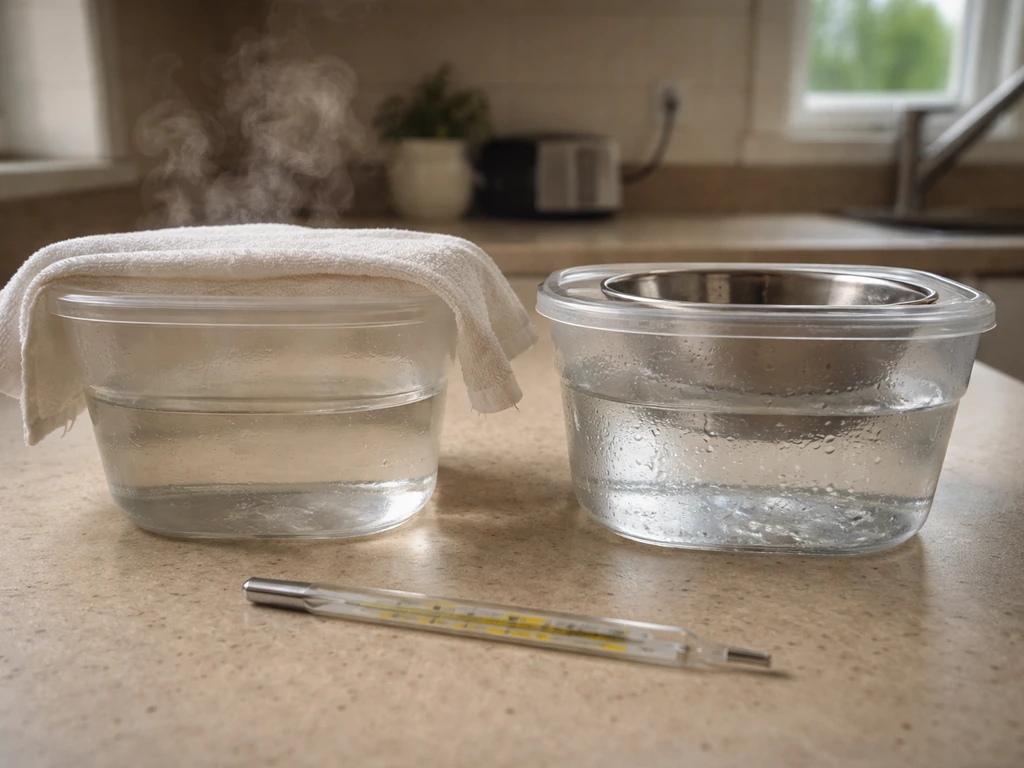
Temperature controls yeast growth more dramatically than almost anything else. Saccharomyces cerevisiae, the species behind bread, beer, and wine, has a permissive growth range of roughly 3°C at the low end to about 42°C at the upper limit. Its sweet spot for biomass growth is 30 to 33°C. Push past 36 to 39°C and heat stress kicks in; the cells are still alive but their metabolism starts to falter. Real-world brewing and fermentation processes typically run cooler on purpose, somewhere in the 10 to 25°C range, to control flavor and fermentation rate. Most yeast species are mesophiles, meaning that optimal zone around 28 to 35°C is where they do their best work. Only a handful of species can actively grow above 45°C. In practical terms, this means a warm kitchen counter (around 25 to 30°C) is genuinely hospitable to yeast, while your refrigerator (around 4°C) slows it significantly and your freezer stops it cold.
pH: why yeast likes things a little acidic
Yeast thrives in a mildly acidic environment, roughly pH 4.0 to 6.0, with something around pH 5.5 often cited as a practical optimum for S. cerevisiae. The reason isn't arbitrary. pH affects the proton pumps in the yeast cell membrane, membrane transport efficiency, and the activity of glycolytic enzymes that drive fermentation. Shift the pH too far toward neutral or alkaline and those systems slow down. This is actually one reason yeast outcompetes many bacteria in fermented foods: at pH 5 or below, most bacteria slow dramatically while yeast keeps going. The pH-selectivity is a real biological weapon for yeast in competitive environments.
Moisture and water activity: the underrated factor
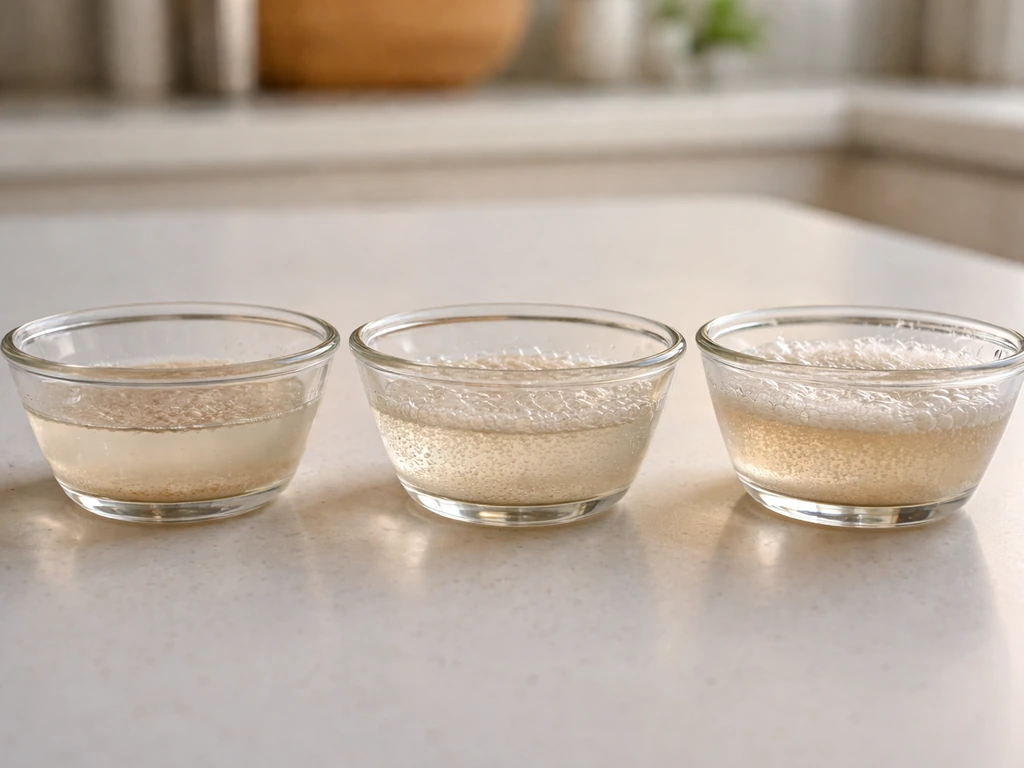
Water activity (written as aw) is a measure of how much water is actually available for microbial activity, not just how wet something looks. It runs from 0 (bone dry) to 1.0 (pure water). The FDA uses aw = 0.85 as a critical regulatory threshold for food safety. FDA describes water activity (aw) control in foods using a threshold at 0.85 or lower to help manage microbial safety and preservation blank" rel="noopener noreferrer">The FDA uses aw = 0.85 as a critical regulatory threshold for food safety.. Most common yeast strains need aw above that to grow reliably. S. cerevisiae is inhibited at approximately aw 0.921 (equivalent to about 2 M sodium chloride) or aw 0.906 (equivalent to about 3 M glucose). That might sound like a lot of salt or sugar, but it explains why honey, fruit concentrates, and high-sugar syrups can still harbor spoilage by osmotolerant yeast species that have adapted to low-water-activity environments. Those specialist strains can grow at aw values below 0.85, which is why sugary preserved foods are not automatically safe from yeast spoilage. In line with this, the food review summarized in this paper notes fungal spoilage commonly occurs in the general aw range of about 0.61 to 0.85, where many competing bacteria are absent Influence of Water Activity on Growth, Metabolic Activities and Survival of Yeasts and Molds. The mechanism is straightforward: when external osmolarity is high, water moves out of the yeast cell by concentration gradients, causing dehydration and eventually arresting cell activity. Osmotolerant yeasts counter this by accumulating glycerol internally to balance the osmotic pressure.
What yeast actually feeds on
Sugars are the primary energy source for yeast, with glucose and fructose being the most readily metabolized. But yeast also needs nitrogen to build proteins and enzymes. Research shows that both the quantity and quality of available nitrogen sources directly influence growth rate: yeast can use 21 different nitrogen sources including ammonium and various amino acids, but not all of them support the same growth performance. In wine fermentation, for instance, low nitrogen in grape must is a well-documented cause of sluggish or stuck fermentation. Higher available nitrogen means faster enzyme synthesis, faster metabolic throughput, and faster budding. Phosphate interacts with nitrogen too, so true nutrient limitation often involves multiple deficiencies at once. In everyday terms, this means yeast grows fast on fruit juice, sugary dough, or grain mash precisely because those substrates are rich in both fermentable sugars and nitrogenous compounds. A surface that has only moisture but no sugars or nitrogen won't support much yeast growth at all.
Oxygen: more complicated than you think
Here is a common misconception worth clearing up: yeast does not simply 'need oxygen to grow' or 'not need oxygen.' The real answer is that oxygen availability changes what yeast does metabolically, not whether it can live at all. That is why yeast can grow faster in the presence of some oxygen than under fully anaerobic conditions, but the biggest effect depends on whether you are targeting cell growth or ethanol production oxygen availability changes what yeast does metabolically. S. cerevisiae is a facultative anaerobe, meaning it can function with or without oxygen, but it shifts strategies depending on which situation it's in.
Under aerobic conditions (with oxygen), yeast runs both respiration and fermentation. Oxygen is required for lipid and plasma membrane biosynthesis, which is critical for cell growth and division. In fact, adding even small amounts of oxygen to an otherwise anaerobic fermentation can increase the fermentation rate by supporting membrane integrity, even without significantly increasing the cell population.
Under anaerobic conditions (no oxygen), metabolism becomes completely fermentative. Ethanol and CO2 yields surpass biomass yield, meaning yeast is putting its energy into producing ethanol rather than building new cells. The highest ethanol excretion rate occurs under anaerobic conditions. So if you want maximum ethanol output (as in brewing), you limit oxygen. If you want maximum cell growth (as in bread proofing or propagating a starter culture), you benefit from some oxygen availability. The relationship between oxygen and fastest growth versus most fermentation product is genuinely distinct, and that distinction matters practically. This topic connects closely to questions about whether yeast grows faster in aerobic versus anaerobic environments, which goes deeper into the metabolic tradeoffs.
What speeds yeast growth up or slows it down
Each of the five core factors above acts as an accelerator or a brake. Here is how they interact in practice:
| Factor | Growth Accelerator | Growth Inhibitor |
|---|---|---|
| Temperature | 28–33°C (optimal zone) | Below ~10°C (very slow); above ~42°C (lethal for most strains) |
| pH | pH 4.0–6.0, around 5.5 optimal | pH below ~3 or above ~7 disrupts membrane transport and enzymes |
| Water Activity (a_w) | a_w close to 1.0 (freely available water) | a_w below ~0.92 for standard strains; osmotolerant strains can push to ~0.85 or lower |
| Nutrients | Abundant glucose/fructose plus quality nitrogen sources | Sugar depletion or low/poor nitrogen causes sluggish or stuck growth |
| Oxygen | Some oxygen supports membrane synthesis and faster growth | Complete anaerobiosis shifts to fermentation-only; very high oxygen can cause oxidative stress |
The important thing to understand is that these factors are interconnected, not independent. A yeast culture at ideal temperature but low nitrogen will still underperform. Optimal pH won't help if water activity is too low. In food safety and hygiene contexts, this interconnectedness is actually useful: disrupting even one factor significantly can suppress yeast growth without needing to make every condition hostile simultaneously.
How to spot yeast growth and adjust conditions today
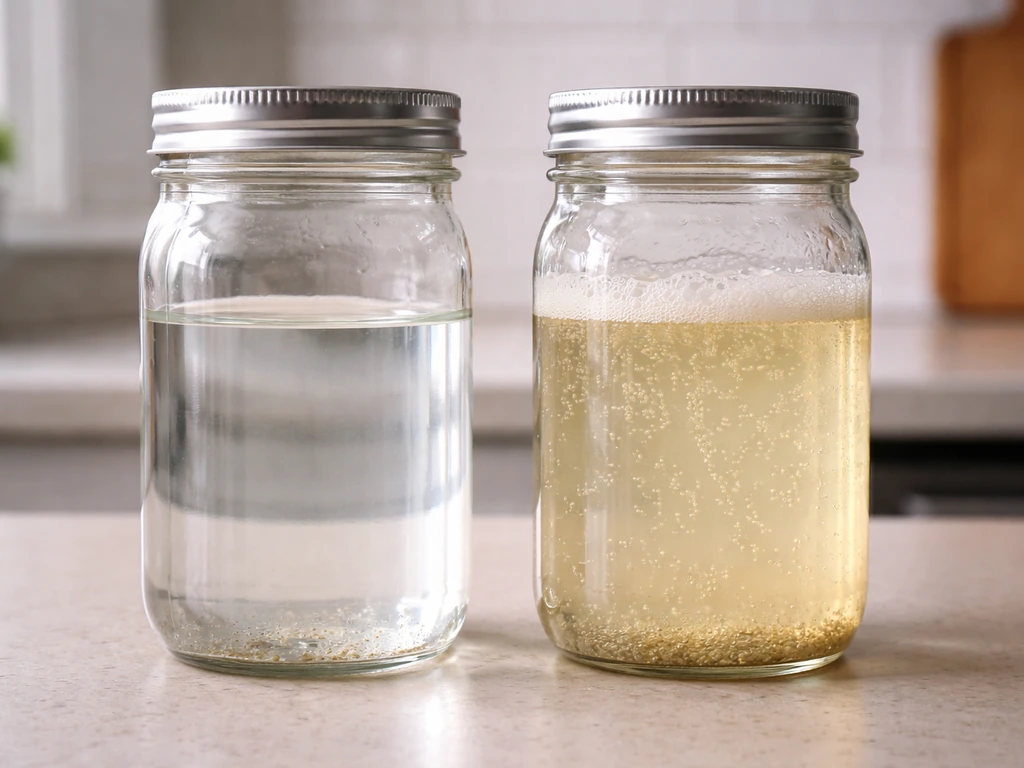
Signs that yeast is actively growing
- Visible CO2 bubbles in a liquid (the hallmark of active fermentation, not just carbonation)
- Cloudiness or turbidity in a liquid that was previously clear
- A distinctive yeasty, bread-like, or slightly alcoholic smell
- White or cream-colored colonies on moist food surfaces, especially fruit, bread, or fermented products
- Dough or batter rising (CO2 production from sugar metabolism)
If you want to encourage yeast growth
- Keep the environment warm, around 25 to 33°C. A proofing oven or a warm spot near a stove works well for bread applications.
- Provide fermentable sugars (glucose, fructose, or sucrose) as the primary energy source.
- Maintain a mildly acidic pH between 4.0 and 6.0. For a simple test, a basic pH strip is sufficient.
- Keep moisture high. Yeast cells need free water; dry surfaces or very concentrated sugar solutions will slow them.
- Allow some access to oxygen early in a growth cycle to support membrane biosynthesis, especially if you are propagating a starter culture rather than running a fermentation.
If you want to inhibit yeast growth (food safety context)
- Refrigerate at or below 4°C. This does not kill yeast but slows budding to a negligible rate for most practical purposes.
- Reduce water activity by drying, using high-sugar or high-salt concentrations, or both. Aiming for a_w below 0.85 stops most common strains, though osmotolerant spoilage yeasts may still be active.
- Shift pH below 3.5 or above 7.0 if the application allows it. Very acidic preserving conditions (like high-acid pickling) suppress yeast activity.
- Limit available sugars and nitrogen. Yeast in a nutrient-poor environment will remain dormant or grow very slowly.
- Reduce oxygen where fermentative spoilage is the concern, but note that anaerobic yeast still produces CO2 and ethanol, so sealing containers of sugary foods is not sufficient on its own.
Understanding how these conditions interact is the foundation for both practical food safety decisions and laboratory work. Whether you are troubleshooting a stuck fermentation, studying microbial growth in a classroom, or trying to understand why that jar of juice started bubbling in the fridge, the answer always comes back to the same five factors: temperature, pH, water activity, nutrients, and oxygen. Apple cider vinegar is typically acidic and contains compounds that can influence whether a scoby forms can apple cider vinegar grow a scoby. In general, not all microorganisms will grow in the same nutrient broth and media because their nutritional and environmental requirements vary widely across species. Adjust them deliberately, and you control what yeast does.
FAQ
How can I tell if yeast is fermenting or actually growing more cells?
Yeast can look “active” while not truly multiplying. If CO2 bubbles but cell count stays flat, the cells may be fermenting sugars without sufficient nutrients or under stressful conditions (like low water activity or heat stress). A practical check is whether turbidity or CFU increases over time, not just whether bubbling happens.
Why does yeast sometimes keep bubbling but still seem to “stall” for growth?
Starter cultures often get stuck because oxygen and nutrients are mismatched with the goal. For rapid cell buildup, you typically want enough oxygen to support membrane synthesis plus available nitrogen (not just sugar). If you only aim for ethanol, limiting oxygen shifts metabolism away from biomass and growth becomes slower even if fermentation continues.
Does yeast grow faster in aerobic or anaerobic conditions?
Yes, but the growth direction depends on conditions. Under anaerobic conditions, yeast tends to channel energy into ethanol and CO2 rather than biomass, so you may see less cell increase. Under aerobic or oxygen-limited aeration, you usually get more membrane synthesis, which supports faster budding and mass accumulation.
What happens if the environment is too warm for yeast growth?
Warmth helps until it crosses the heat-stress boundary. If you overshoot the species’ upper limit (for S. cerevisiae, roughly the upper 30s to low 40s depending on strain), metabolism falters, budding slows, and viability can drop. If you see fast initial activity followed by a quick slowdown, temperature stress is a common cause.
Can yeast survive outside its usual pH range, and why would growth stop?
pH affects transport and enzyme function, but yeast can partially buffer within a range. If your mixture is only slightly off, growth might slow rather than stop. If it is far from the mild acidic zone (around pH 4 to 6, with S. cerevisiae often doing well near pH 5.5), you can get near-zero budding even though yeast is still alive.
Why might yeast fail in a very sugary or salty environment?
Low water activity can shut down growth even when sugar and temperature seem right. If you use very concentrated syrups, honey, or heavily salted mixes, most strains cannot maintain enough internal water balance to keep dividing. Some osmotolerant yeasts can still grow, which is why spoilage sometimes occurs in preserved foods.
If yeast is facultative anaerobic, how much oxygen do you actually need for growth?
Oxygen level is not the only driver, and “no oxygen” does not automatically mean “no growth.” Yeast is facultative, so it can grow with little oxygen, but the fastest biomass growth usually needs at least some oxygen to support membrane and lipid synthesis. If you are trying to grow cells, avoid fully sealed, oxygen-starved setups.
How do I know if yeast is limited by nitrogen rather than temperature or pH?
Nitrogen limitation often shows up as sluggish or stuck fermentation, even when sugars are plentiful. In wine and some food fermentations, adding nitrogen sources (or using a juice or must with sufficient assimilable nitrogen) can restore activity. If growth is weak despite correct temperature and pH, check whether nitrogen is low or unavailable.
Why do yeast batches sometimes have a long lag before any bubbles appear?
You can have yeast growth without a typical “lag phase” if the starting culture is already metabolically active and well-prepared. A long lag often occurs when yeast is stressed (temperature or pH shock), nutrient-limited, or placed into conditions that delay metabolism, like very low water activity or a sudden osmotic shift.
Will baker’s yeast conditions work the same way for wild yeast or other strains?
In practice, different species and strains have different tolerances. A method that works for baker’s yeast may not work for wild isolates, and a strain that tolerates higher sugar or lower pH may outperform others in preserved or acidic foods. If your goal is reliable growth, match the strain to the expected temperature, pH, and water activity.
How does mixing, stirring, or aeration change how yeast grows?
Yes. Stirring and aeration can change outcomes because they affect oxygen transfer and CO2 stripping. For cell growth, gentle aeration can help by improving oxygen availability, while for maximal ethanol production, limiting oxygen is beneficial. The key is controlling oxygen transfer, not just whether the container contains “some air.”
Can yeast grow in the refrigerator, and will it be noticeable?
Bubbling can happen even in the fridge, because yeast can still slowly metabolize at low temperatures, but growth rate is greatly reduced. If you are trying to propagate or increase cell numbers, refrigeration may be too slow, and you may need a warmer, gently oxygenated environment to see measurable increases.
If yeast growth stops, can the culture recover later if conditions improve?
Yes, within limits, because some of the inhibitory effects are reversible only if yeast remains viable. For example, moving back to the preferred temperature and returning to a workable pH can restart metabolism, but extreme osmotic or heat stress can reduce viability so sharply that growth never resumes. If you suspect stress, compare to a fresh control under identical conditions.